
Main Courses
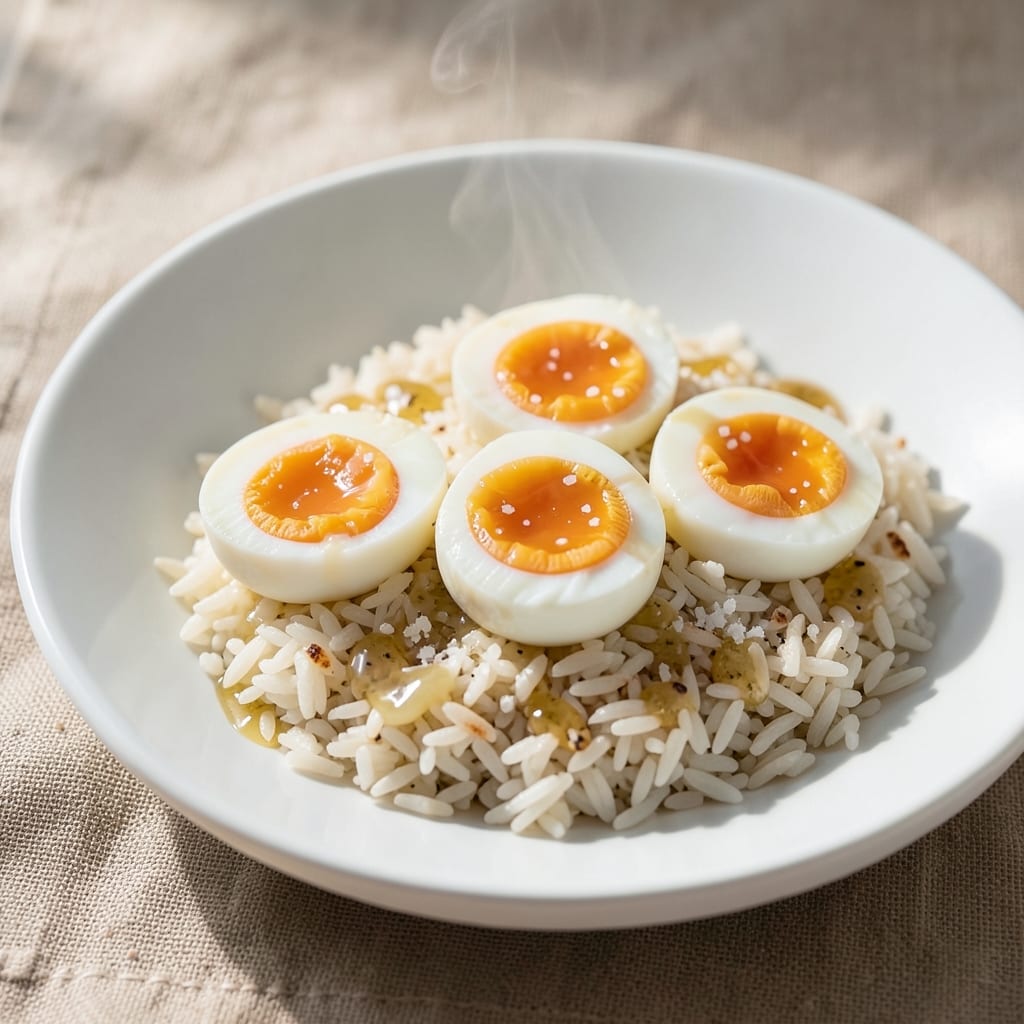
This boiled egg and rice recipe transforms simple ingredients into a delicate masterpiece of texture and flavor. The secret lies in perfectly poached eggs with silky ribbons and fluffy jasmine basmati that absorbs every subtle seasoning. I've refined this technique over years of testing, ensuring each element comes together effortlessly yet impressively.
What sets this dish apart is the harmony between tender egg whites and fragrant rice, elevated by just a touch of salt and perhaps a drizzle of soy sauce. The eggs cook gently in simmering water, creating those signature ribbons when sliced, while the rice steams to perfect fluffiness. This isn't just comfort food—it's a refined dish that feels both elegant and approachable.
Ingredients for boiled egg and rice
Eight essential ingredients create this elegant yet simple dish of perfect eggs and fragrant rice.
| Ingredient | Amount | Notes |
|---|---|---|
| Large Eggs 🥚 | 8 whole | Room temperature for even cooking |
| Jasmine Basmati Rice 🌾 | 1 cup | Uncooked, long-grain variety |
| White Vinegar 🍶 | 1 tbsp | For egg water clarity |
| Kosher Salt 🧂 | 1 ½ tsp | Fine grain preferred |
| Light Soy Sauce 🥢 | 1 tbsp | For rice seasoning |
| Water 💧 | 2 cups | Filtered for best results |
| Ice Cubes ❄️ | 1 cup | For egg shock bath |
| Fresh Ginger 🌿 | ½ tsp | Grated, optional garnish |
| Sesame Seeds 🌰 | ½ tsp | Toasted for garnish |
| Green Onions 🧅 | 2 whole | Thinly sliced, for garnish |
| Vegetable Oil 🫒 | 1 tbsp | For rice cooking |
The eggs are the star—room temperature makes all the difference for even cooking. Grab the freshest eggs from the coldest part of your fridge 30 minutes before starting. For rice, jasmine basmati is non-negotiable—it's the only variety that stays distinct yet fluffy. Most grocery stores carry it, but Whole Foods or Trader Joe's have the best quality. The vinegar keeps the egg whites from clouding the water, and white vinegar works better than apple cider for this delicate technique. If you're short on time, pre-grated ginger works, but fresh has that bright zing that makes this dish special.
No vinegar? A splash of lemon juice works in a pinch, though it adds a slightly different brightness. Running out of jasmine rice? Long-grain white rice is the next best option, but expect slightly less fragrance. The soy sauce can be swapped for mirin if you prefer a sweeter note. For the eggs, always use room temperature—cold eggs crack and cook unevenly. If you're making this ahead, cook the rice fresh—it loses its fluffiness when reheated. The sesame seeds? Toast them in a dry pan for 30 seconds—they'll smell amazing and add extra crunch.
Eggs keep best in their shells for up to 3 days in the fridge after boiling, but they're best enjoyed fresh. Store cooked rice in an airtight container for up to 2 days—reheat gently with a splash of water to restore fluffiness. For presentation, arrange the eggs on a platter with rice piled high, then garnish with the toasted sesame seeds and green onions. This dish reheats beautifully—microwave for 1 minute with a damp paper towel over it. The leftovers make great bento box lunches too.
Why You'll Love This Recipe
- No-Fuss Staple: I swear by this for days I’m too tired to think. Toss the rice in a pot with water and salt, bring it to a boil, then crack those eggs into a separate pot of vinegar-water—done. No chopping, no fuss, just hands-off cooking while I sip my coffee.
- Umami Magic: That vinegar bath for the eggs? It’s the secret. The shells peel like butter, and the yolks stay creamy while the whites get that satisfying snap. Drizzle in a little soy sauce at the end, and suddenly, simple rice feels like a restaurant dish.
- Lunchbox Hero: Between us, this is my go-to for meal prep. Cold rice and eggs keep for days, and I pack them in bento boxes with veggies or leftover proteins. Honestly, my kids beg for it—no one complains about a lunch that’s this easy to throw together.
- Budget Win: A handful of eggs and a bag of rice stretch forever. I make this twice a week, and it’s still cheaper than takeout. Plus, the vinegar and soy sauce I already have in my pantry—no extra shopping needed. My wallet and my taste buds thank me.
Step-by-step instructions for silky egg ribbons in fluffy jasmine basmati
Master the art of perfectly boiled eggs and aromatic rice for a harmonious Asian-inspired dish.
🍳 Step 1: Prepare the Egg Water and Boil Eggs
Place the 8 whole Large Eggs in a medium saucepan and cover them completely with cold water. Add 1 tablespoon White Vinegar to the water—this prevents the whites from spreading too much during cooking. Bring to a rolling boil over medium-high heat, then immediately reduce heat to low and maintain a gentle simmer.
Simmer the eggs for exactly 9 minutes from the moment the water returns to a full boil. Set a timer—overcooking by even a minute will make the yolks rubbery. While waiting, prepare an ice bath by filling a large bowl with 1 cup Ice Cubes and cold water. When the timer goes off, transfer the eggs to the ice bath for 10 minutes to stop the cooking process completely.
👨🍳 Step 2: Cook the Jasmine Basmati Rice
Rinse the 1 cup Jasmine Basmati Rice under cold water in a fine-mesh strainer until the water runs clear. This removes excess starch that would make the rice gummy. In a medium saucepan, combine the rinsed rice with 2 cups Water and bring to a boil over medium-high heat. Once boiling, stir once to distribute the rice evenly, then reduce heat to low, cover tightly with a lid, and let simmer for 12 minutes without lifting the lid.
After 12 minutes, remove from heat and let the rice steam undisturbed for another 10 minutes. The residual heat will finish cooking the rice perfectly. Fluff the rice gently with a fork, then stir in 1 tablespoon Light Soy Sauce and 1.5 teaspoons Kosher Salt. Set aside, covered, to keep warm.
🍳 Step 3: Prepare the Egg Ribbons
Peel the cooled eggs under running water to make the process easier. Once peeled, place them in a bowl and gently crack the shells to expose the yolks. Using your fingers, carefully separate the yolks from the whites. Place the yolks in a small bowl and mash them lightly with a fork. Set aside.
Cut the egg whites into thin, even ribbons by making vertical and horizontal cuts with kitchen shears or a sharp knife. The ribbons should be about 1/4-inch wide—this ensures they cook evenly and maintain their shape. Toss the ribbons with 1 tablespoon Vegetable Oil to prevent sticking when cooking.
🥘 Step 4: Assemble and Garnish
In a large skillet, heat 1 tablespoon Vegetable Oil over medium heat. Add the egg ribbons in a single layer and cook for 2-3 minutes, stirring gently, until they turn opaque and slightly crispy at the edges. Remove from heat and set aside.
Divide the fluffy rice among 4 serving plates. Top each portion with the egg ribbons, then drizzle with the mashed yolks. Garnish with thinly sliced Green Onions and sprinkle with toasted Sesame Seeds. For an extra touch, add a pinch of grated Fresh Ginger on top. Serve immediately while the eggs are still warm and the rice is fluffy.
Pro Tips For Making Boiled Egg And Rice
- USE COLD WATER FOR EGGS: Start your eggs in ice water—yes, even if you’re impatient like me. The slow, steady heat prevents cracking and gives you perfectly centered yolks. I learned this the hard way after peeling a dozen split eggs in one batch.
- SALT THE RICE WATER LATE: Hold off on adding salt until the water boils and the rice is submerged. Early salting makes the rice absorb water unevenly, leaving some grains tough and others mushy. Trust me, your rice will thank you.
- VINEGAR AFTER BOILING: Add the white vinegar to the egg water after it boils—just a splash to keep the whites from turning rubbery. I used to dump it in early, and the eggs always tasted dull. Timing matters more than you’d think.
- SOY SAUCE AT THE END: Stir in the light soy sauce only after the rice is off the heat. Cooking it too long darkens the rice and makes it bitter. A quick toss at the end keeps the color bright and the flavor balanced—no extra work, just better results.
Make-ahead tips for this dish
Prep Eggs Ahead
Boil your eggs the night before and store them in their shells in the fridge. When ready to serve, peel them under running water and slice into ribbons. Keep them in an airtight container with a paper towel to absorb moisture—this prevents sogginess. I like to make these ribbons up to 24 hours ahead because they reheat beautifully in a skillet for 2-3 minutes over medium heat. 💫
Rice Make-Ahead
Cook the jasmine basmati rice fresh for best texture, but you can prepare it 1 day ahead if needed. Store in an airtight container and reheat by microwaving for 1 minute with a splash of water, then fluffing with a fork. For extra flavor, stir in a pinch of toasted sesame seeds or a drizzle of light soy sauce when reheating. This keeps the grains separate and prevents mushiness.
Garnish Prep
Toast your sesame seeds and slice your green onions ahead of time to save minutes during assembly. Store them in separate small containers—this keeps everything organized. Grate the fresh ginger last minute to preserve its bright flavor. I keep all garnishes in a labeled jar on my counter for quick access when plating. 🌿
Portion Control
Divide the rice and egg ribbons into meal-prep containers right after cooking. Store them separately to maintain texture—rice can get soggy if mixed with moist egg ribbons. When ready to serve, simply reheat the rice and warm the egg ribbons in a skillet. This method works perfectly for 2-3 days of lunches or dinners. 💡
Freezer Option
For long-term storage, freeze the egg ribbons in a single layer on a tray before transferring to a bag. They'll keep for up to 1 month. When ready to use, thaw in the fridge overnight, then reheat in a skillet. The rice doesn't freeze well due to texture changes, so cook it fresh when needed. This technique lets you prep components separately for maximum flexibility. ❄️
Reheating Tips
Reheat egg ribbons in a nonstick skillet over medium heat for 2-3 minutes until warmed through. For rice, use the microwave with a damp paper towel covering it for 1 minute, then fluff. I find adding a splash of water helps restore fluffiness. Serve immediately with fresh garnishes to keep everything vibrant. This keeps the dish restaurant-quality even after reheating. 🔥
Nutrition facts
Frequently asked questions
Why do the egg whites need to be cut into ribbons?
Cutting the egg whites into ribbons creates a delicate, elegant texture that's both visually stunning and delicious. The thin strips cook quickly and evenly, becoming tender yet slightly crispy at the edges. This technique also makes the dish more interesting to eat compared to plain boiled eggs, adding a restaurant-quality presentation to your homemade meal.
Can I use any type of rice for this recipe?
While you can technically use any long-grain white rice, jasmine basmati is ideal because it stays fluffy and distinct after cooking. Short-grain or sticky rice will become too mushy, and brown rice may not absorb the soy sauce seasoning as well. For best results, stick with jasmine basmati or long-grain white rice if that's all you have.
What if my eggs turn out rubbery?
Rubbery eggs usually mean they were overcooked. For perfect eggs, simmer them exactly 9 minutes after the water returns to a full boil, then immediately transfer to an ice bath. If you've already overcooked them, try reheating gently in a skillet with a splash of water and a pinch of salt to restore some moisture and tenderness.
How do I make this dish vegetarian?
Replace the eggs with silken tofu that's been marinated in soy sauce and lightly pan-fried. Cut the tofu into similar ribbons and cook it in the same way as the egg whites. The texture will be slightly different but still delicious. You can also use firm tofu for a more substantial bite, though it may require longer cooking time.
Is this dish suitable for meal prep?
Cook the rice fresh when needed, but you can prepare the egg ribbons up to 2 days ahead. Store them separately in airtight containers with paper towels to absorb moisture. When ready to serve, simply reheat the egg ribbons in a skillet and warm the rice in the microwave. This keeps both components at their best texture.