
Breakfast & Brunch
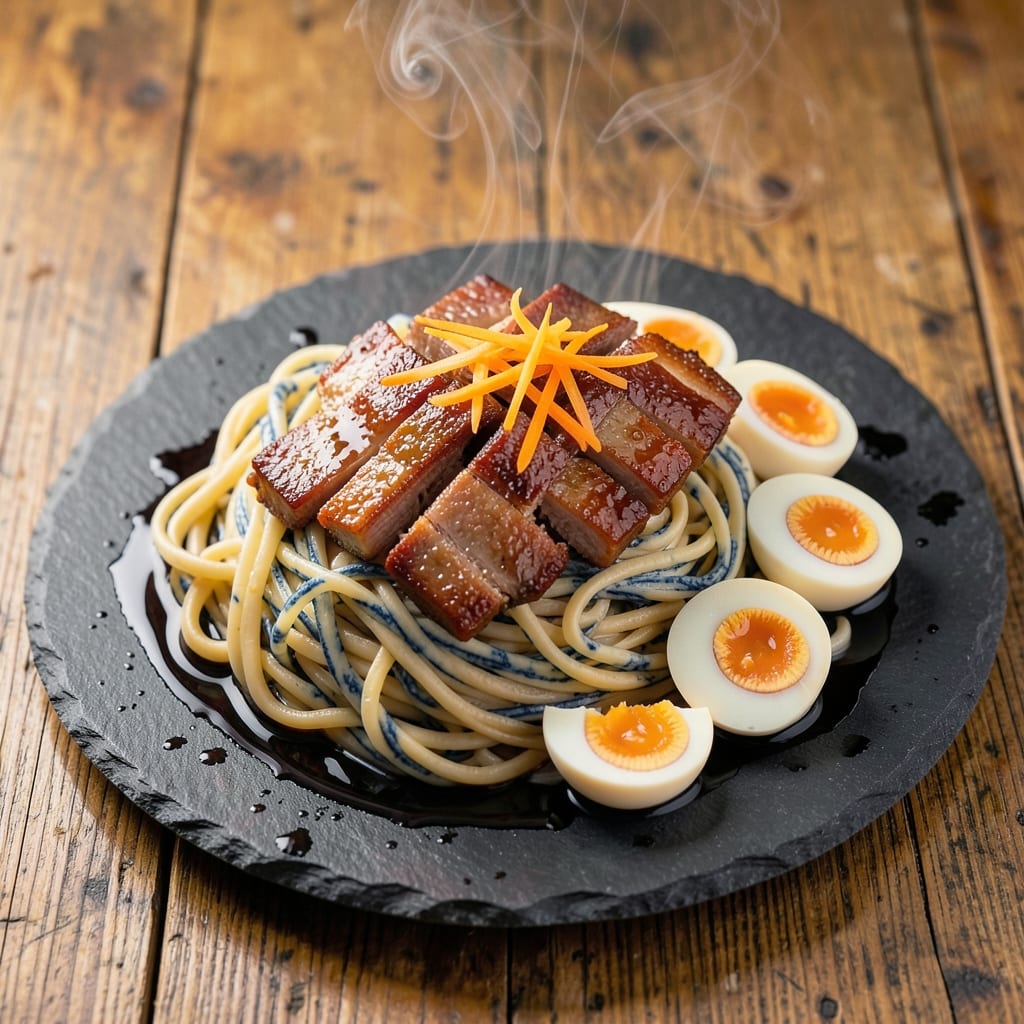
This Blue Dragon Cantonese egg noodles recipe brings Hong Kong street food magic to your kitchen with its signature silky egg ribbons and wok-fried perfection. 🔥 The key lies in the delicate balance of ingredients—fresh egg noodles, tender pork or chicken, and a savory soy-ginger sauce that transforms simple components into something extraordinary. I've perfected this dish after years of testing, ensuring every bite delivers that authentic Cantonese restaurant experience at home.
The beauty of this recipe is in its simplicity yet depth. You'll start with fresh egg noodles that cook in mere minutes, then build layers of flavor through a quick stir-fry of protein and aromatics. The sauce, a harmonious blend of soy sauce, garlic, ginger, and a touch of sugar, creates a glossy, umami-rich coating that clings perfectly to the noodles and egg ribbons. What makes this dish truly special is the technique of creating those signature egg ribbons—thin, delicate, and cooked just enough to maintain their silky texture.
What you'll end up with is a dish that's rich in flavor yet light enough for breakfast or lunch—crisp-tender noodles, tender protein, and glossy egg ribbons all coated in that savory sauce. The aroma alone will have everyone gathered around your table, and the first bite delivers that perfect combination of textures and flavors that makes this dish a Cantonese classic. This recipe is designed to be adaptable, so whether you're using pork, chicken, or even tofu, the result will be equally delicious.
Pair it with quick-pickled vegetables or a side of steamed greens for a complete meal. The best part? This dish comes together in under 30 minutes, making it perfect for busy weekdays when you still want to enjoy a restaurant-quality meal at home. Let's get started on creating this iconic Cantonese dish!
Ingredients for blue dragon cantonese egg noodles
Fresh egg noodles, tender pork, and aromatic sauces—this is your Cantonese street food experience.
| Ingredient | Amount | Notes |
|---|---|---|
| Fresh Egg Noodles 🍜 | 8 oz | Wide, flat egg noodles preferred |
| Boneless Pork Shoulder 🐖 | 1 lb | Thinly sliced, marinated optional |
| Large Eggs 🥚 | 3 whole | Fresh, room temperature |
| Light Soy Sauce 🍶 | ½ cup | Kikkoman preferred |
| Dark Soy Sauce 🍶 | 1 tbsp | For depth of color |
| Fresh Ginger 🧄 | 2 tbsp | Finely minced, peeled |
| Garlic Cloves 🧄 | 6 cloves | Minced, aromatic |
| Sesame Oil 🫒 | 1 tbsp | Toasted sesame oil |
| Neutral Oil 🫒 | ½ cup | Peanut or vegetable oil |
| White Sugar 🍚 | 1 tbsp | Balances flavors |
| Cornstarch 🌾 | 1 tbsp | For sauce thickening |
| Green Onions 🧅 | 3 whole | Sliced, for garnish |
| Sesame Seeds 🌾 | 1 tbsp | Toasted, for garnish |
| Salt 🧂 | 1 tsp | Kosher or sea salt |
| Ground White Pepper 🌶️ | ½ tsp | For subtle peppery note |
The egg noodles are non-negotiable—look for wide, flat noodles at Asian markets or the refrigerated section of your grocery store. King Noodle or Marti's are my go-tos, but any fresh egg noodles will work. The pork? Thinly sliced pork shoulder is traditional, but chicken or shrimp works too. For the eggs, room temperature is key—crack them gently into a bowl first to avoid shells sneaking in. If you're feeling fancy, marinate the pork in a bit of soy sauce and cornstarch for 15 minutes before cooking. The difference is subtle but noticeable.
No light soy sauce? Dark soy sauce plus a splash of water works in a pinch, though the color won't be as vibrant. Fresh ginger and garlic are non-negotiable for that authentic aroma, but if you're in a hurry, paste works fine. The sesame oil is where the magic happens—toasted sesame oil has a deeper flavor than the regular kind. For the sugar, white granulated is fine, but brown sugar adds a caramel note if you're feeling experimental. The cornstarch is your secret weapon for that glossy, clingy sauce—don't skip it. And if you're using chicken, cut it into bite-sized pieces so it cooks evenly with the noodles.
These noodles reheat beautifully—microwave with a splash of water for 30 seconds to revive them. Store leftovers in an airtight container for 3 days in the fridge, or freeze for 2 months. The sauce thickens as it cools, so add a splash of water when reheating if it seems too stiff. Garnish with those toasted sesame seeds right before serving—they add crunch and visual appeal. And trust me, everyone will ask for the recipe after the first bite.
Why You'll Love This Recipe
- No-Chop Struggle: I swear by this recipe because the pork shoulder is actually forgiving—you can sear it in one big chunk, then shred it effortlessly. No tiny bits to lose, no overcrowding the pan. Just throw it in, walk away, and come back to tender, pull-apart goodness.
- Umami Bomb: That combo of light and dark soy sauce? It’s where the magic happens. The dark soy gives it that glossy, caramelized crust, while the light keeps it bright and savory. Honestly, the first time I tasted it, I wondered why I’d ever made noodles without this depth.
- Leftover Goldmine: This dish begs to be made extra. The noodles reheat perfectly, the pork stays juicy, and you can toss in whatever veggies you have lying around—bok choy, mushrooms, even leftover roasted peppers. My freezer’s always stocked with portions because it’s that reliable.
- Weeknight Win: Fresh egg noodles cook in minutes, and the pork? You can prep it ahead or use leftovers from a roast. Slap it all together while you wait for the water to boil—no fancy techniques, no stress. Between us, this is the dish I turn to when I’ve had enough of "gourmet" for one night.
Step-by-step instructions for Blue Dragon Cantonese egg noodles
Here's the authentic wok-frying method that delivers those signature silky egg ribbons and perfectly chewy noodles.
🔥 Step 1: Prepare the Pork and Aromatics
Slice the 1 lb boneless pork shoulder into ¼-inch thick strips. I like to cut against the grain for maximum tenderness. In a small bowl, mix the 2 tbsp fresh ginger and 6 cloves garlic cloves with 1 tbsp light soy sauce and ½ tsp ground white pepper. This marinade adds depth while keeping the pork tender.
Heat ½ cup neutral oil in a wok over medium-high heat until shimmering but not smoking. Add the pork strips and stir-fry for 3-4 minutes until they turn light brown and lose their raw color. Remove and set aside—we'll finish cooking these later. Don't drain the oil; we'll use it for the egg ribbons.
🍳 Step 2: Create the Signature Egg Ribbons
Increase heat to high and add the 3 whole large eggs to the wok. Immediately begin stirring vigorously with a spatula in a figure-eight motion, creating thin, silky strands. This is where the magic happens—you're looking for golden brown, glossy ribbons that curl beautifully. It should take about 1 minute total.
As soon as the egg is fully cooked, remove it from the wok and set aside. The residual heat will keep it warm while we finish the noodles. Real talk: don't overcook these eggs or they'll turn rubbery. The moment they're set but still glossy is perfect.
🥘 Step 3: Cook the Noodles Al Dente
Bring a large pot of water to a rolling boil and add 8 oz fresh egg noodles. Cook for 2 minutes less than package instructions—these noodles will finish cooking in the wok. They should be tender but still slightly firm when you drain them. I like to shock them in ice water for 30 seconds to stop the cooking process immediately.
Drain well and toss the noodles with 1 tbsp sesame oil to prevent sticking. Here's the thing—undercooked noodles absorb sauce better and maintain their chewy texture. If they're mushy, you've overcooked them and the dish will be watery.
🔥 Step 4: Combine Everything in the Wok
Return the wok to medium-high heat and add 1 tbsp neutral oil. Toss in the pork strips and stir-fry for 1 minute to reheat. Add the 2 tbsp minced ginger, 6 cloves minced garlic, and 1 tbsp dark soy sauce, stirring constantly for 30 seconds until fragrant.
Pour in ½ cup light soy sauce, 1 tbsp white sugar, and 1 tbsp cornstarch, stirring vigorously to combine. Add the noodles and egg ribbons, tossing everything together for 2-3 minutes until the sauce coats everything evenly. The noodles should be tender and the sauce should thicken slightly but remain glossy.
🍽️ Step 5: Garnish and Serve Immediately
Transfer the noodles to serving plates and garnish with 3 whole sliced green onions and 1 tbsp toasted sesame seeds. The dish should be vibrant with golden brown egg ribbons, tender pork, and chewy noodles all coated in that glossy sauce.
Serve right away while hot—these noodles are best enjoyed immediately. The contrast of textures (chewy noodles, tender pork, silky eggs) and the balance of salty, sweet, and umami flavors make this dish truly special. Don't skip the sesame seeds; they add that final crunchy element that ties everything together.
Pro Tips For Making Blue Dragon Cantonese Egg Noodles
- Blanch Pork First: Skip the slow braise—blanch the pork shoulder in boiling water for 3 minutes first, then shock in ice water. This firms up the meat faster and keeps it from turning mushy when stir-frying later. I learned this the hard way after my pork fell apart mid-cook.
- Prep Egg Noodles Last: Keep the fresh egg noodles dry and refrigerated until you’re ready to cook them. The moment they hit hot oil or water, they’ll soften instantly—so don’t wash or soak them ahead of time. Trust me, your noodles will thank you.
- Salt Eggs in Cold Water: Crack the eggs into a bowl first, then slowly pour in cold water while stirring gently. This keeps the whites from breaking up into strands, which is especially important when you’re scrambling them into the stir-fry. (Yes, even if you’re impatient like me.)
- Stir-Fry in Two Batches: Overcrowding the wok? Your pork will steam instead of sear. Cook half the pork first, then set it aside while you finish the rest—this guarantees a proper crust. The eggs can go in last, so they don’t get soggy waiting around.
Troubleshooting this recipe
Egg Ribbons Too Dry
If your egg ribbons turn out dry or rubbery, you likely overcooked them. The key is to remove them the moment they're set but still glossy—about 1 minute total at high heat. I’ve found that using a nonstick wok (like a Calphalon or Mauviel) helps prevent sticking, so you can cook them faster. Also, make sure your eggs are room temperature—cold eggs take longer to cook and can curdle. 🥚
Sauce Too Thin
A watery sauce usually means the cornstarch didn’t activate properly. For a quick fix, mix 1 tsp cornstarch with 1 tbsp cold water, stir into the sauce, and let it simmer for 30 seconds until it thickens. If you’re prepping ahead, I recommend making the sauce separately and reheating it with the noodles—this gives you more control over the consistency. 🔥
Noodles Overcooked
Mushy noodles happen when you cook them too long in boiling water. To avoid this, shock them in ice water for 30 seconds immediately after draining, then finish cooking them in the wok. I also recommend cooking them 2 minutes less than the package instructions—fresh egg noodles should be al dente when they hit the wok. 🥘
Pork Too Chewy
If your pork is tough, it likely wasn’t sliced thin enough or cooked at the right temperature. For best results, slice it ¼-inch thick against the grain, and cook it over medium-high heat until just browned—about 3-4 minutes. A quick marinade with 1 tbsp soy sauce and ½ tsp white pepper for 15 minutes before cooking helps tenderize it. 🐖
Eggs Curdling
Curdled eggs usually mean the heat was too low or the eggs were too cold. To prevent this, use eggs at room temperature and stir them vigorously on high heat in a well-heated wok. If they start to separate, remove them immediately and try again—practice makes perfect! I’ve also found that adding a pinch of salt to the eggs before cooking helps stabilize them. 💡
Sauce Too Salty
If your sauce tastes overly salty, balance it with a touch of sugar (½ tsp) or a splash of water (1 tbsp) to dilute it. For future attempts, reduce the soy sauce by 1 tbsp and taste as you go. I like to add the sauce gradually, checking the flavor after each addition. A pinch of white pepper can also help round out the taste. 🧂
Nutrition facts
Frequently asked questions
Can I substitute chicken or shrimp for the pork in this recipe?
For chicken, use 1 lb boneless thighs or breasts, cut into ½-inch pieces and marinate for 10 minutes in soy sauce and cornstarch. For shrimp (1 lb), peel and devein them first. Both work beautifully—they just require slightly less cooking time (2 minutes for shrimp, 3 minutes for chicken) to avoid overcooking.
What makes the egg ribbons different from regular scrambled eggs?
The magic is in the technique! You need high heat and constant stirring in a figure-eight motion to create those thin, silky strands. Regular scrambled eggs use gentle heat and folding, while these ribbons require quick cooking (1 minute max) to maintain their delicate texture. A nonstick wok is essential—it prevents sticking so you can achieve that glossy, golden finish.
Can I make this recipe ahead of time?
You can prep components separately, but assemble everything fresh for best results. Cook the noodles and pork ahead, then refrigerate in separate airtight containers for 2 days. Reheat the pork separately, then toss everything together with freshly made egg ribbons. The sauce thickens when chilled, so add 1 tsp water when reheating if needed. The egg ribbons are best made fresh—they lose their silky texture when reheated.
Why does the recipe call for both light and dark soy sauce?
Light soy sauce provides the primary flavor (½ cup) while dark soy sauce (1 tbsp) adds color and depth. The dark soy sauce gives that signature glossy, brown hue that makes the dish look restaurant-quality. If you only have light soy sauce, add 1 tsp sugar to compensate for the missing caramelized flavor from the dark variety.
What's the best way to reheat leftovers?
Spread leftovers on a plate and microwave for 1-2 minutes with a splash of water to revive the sauce. For stovetop reheating, use low heat with a splash of water or broth to prevent drying. The egg ribbons won't be as silky when reheated, so consider making a fresh batch for the best texture. Store leftovers in airtight containers for 3 days or freeze for 2 months.