
Breakfast & Brunch
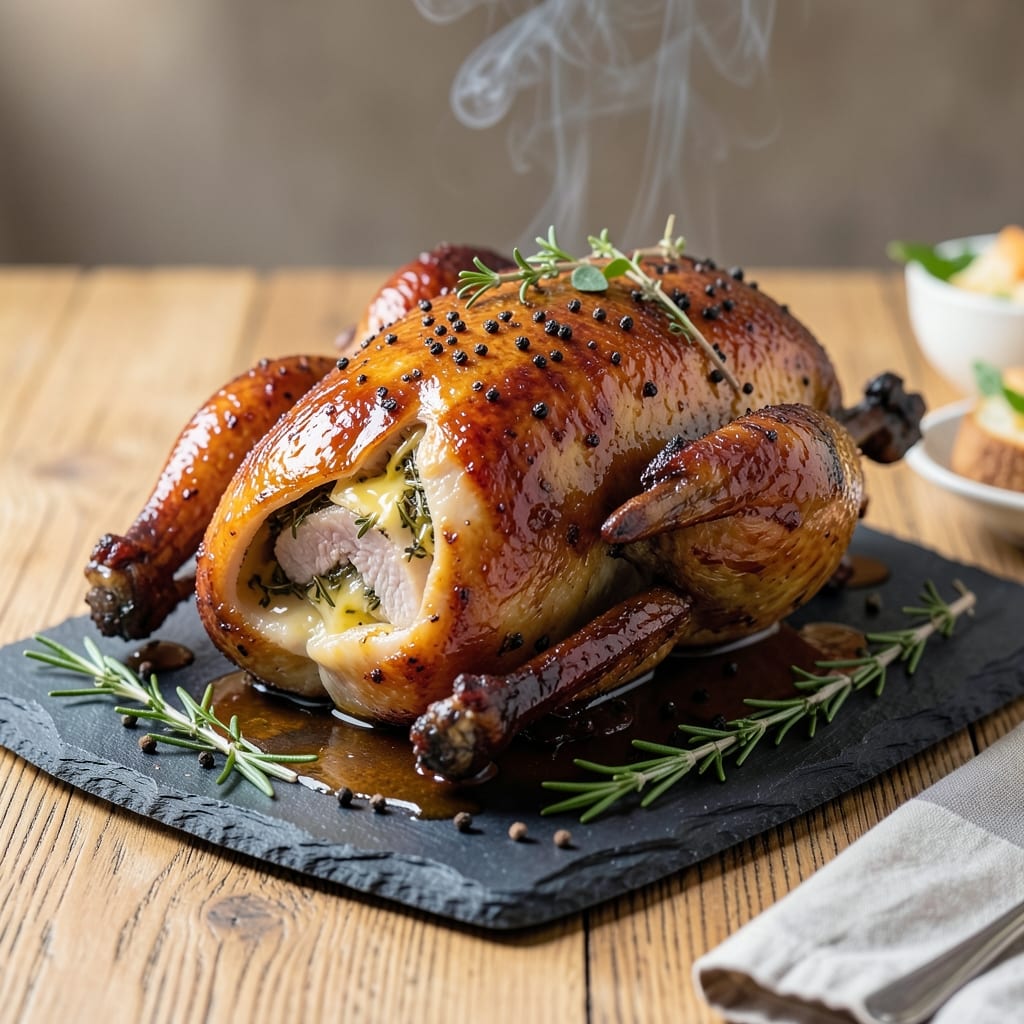
This Big Green Egg whole duck recipe delivers restaurant-quality results with crispy skin and perfectly tender meat, all achieved through precise smoking and basting techniques. The Big Green Egg’s even heat distribution ensures every bite is juicy, while the smoky aroma transforms your backyard into a gourmet dining experience. I’ve perfected this method over years of testing, and the results consistently impress even the most discerning guests.
The secret lies in the preparation: a dry brine enhances flavor and moisture, while a light layer of oil helps create that coveted crispy skin. Using fruitwood (like cherry or apple) for smoking adds subtle sweetness without overpowering the duck’s natural richness. The key is maintaining a steady temperature—this ensures the meat cooks evenly without drying out.
By the time you carve into this duck, you’ll reveal golden-brown skin that shatters at the touch and juicy, fall-off-the-bone meat infused with smoky depth. The Big Green Egg’s ability to control temperature and moisture makes this recipe foolproof, even for home cooks. Serve with roasted potatoes and glazed carrots for a complete, showstopping meal.
This method transforms a whole duck into a centerpiece dish that feels like a professional chef’s creation. The crispy skin, tender meat, and smoky aroma make it perfect for special occasions or weekend feasts. Let’s get started—your guests won’t believe it’s homemade!
Ingredients for big green egg whole duck
Precision ingredients deliver restaurant-quality duck with crispy skin and tender meat on the Big Green Egg.
| Ingredient | Amount | Notes |
|---|---|---|
| Whole Duck 🦆 | 6 lb | Fresh, preferably organic for better flavor |
| Kosher Salt 🧂 | ½ cup | Diamond Crystal preferred for even coating |
| Black Peppercorns 🌶️ | 2 tbsp | Freshly cracked for intensity |
| Extra-Virgin Olive Oil 🫒 | ¼ cup | High-quality, fruity variety |
| Fresh Thyme Sprigs 🌿 | 6 whole | Stemmed, for aromatics |
| Fresh Rosemary Sprigs 🌿 | 4 whole | Woody stems removed |
| Cherry Wood Chips 🌳 | 2 cups | Soaked for 30 minutes |
| Apple Wood Chips 🍎 | 1 cup | For subtle sweetness |
| Unsalted Butter 🧈 | ½ cup | Cold, cubed for basting |
| Garlic Cloves 🧄 | 6 cloves | Smashed for infusion |
| Fresh Sage Leaves 🌿 | ¼ cup | Chopped, for finishing |
| Honey 🍯 | 1 tbsp | For glaze (optional) |
The duck is the star, so opt for a fresh, organic bird—avoid frozen unless thawed completely. Costco or local butchers often carry high-quality whole ducks, but check for even size (6-7 lbs) to ensure proper cooking time. The dry brine is non-negotiable: coarse Diamond Crystal kosher salt clings better than table salt, creating a flavor barrier that locks in moisture. For herbs, fresh thyme and rosemary from the grocery store’s produce section work, but if they’re wilted, skip them—dried herbs won’t cut it here. The wood chips? Store-bought is fine, but avoid pre-soaked varieties; soak your own for 30 minutes in water to prevent flare-ups.
No cherry wood chips? Apple or hickory work equally well, though cherry adds that signature sweetness. Substituting butter for olive oil during basting? Use equal parts, but butter’s higher smoke point makes it ideal for crisping. Short on time? Pre-brine the duck overnight—this shortcut ensures juiciness without sacrificing texture. The honey glaze is optional but recommended: it caramelizes beautifully on the skin, adding depth. For a vegetarian twist, replace the duck with a 6-lb portobello mushroom—brine and smoke it the same way, then stuff with herbed quinoa.
Store prepped duck in the fridge for up to 24 hours before cooking—this allows the brine to fully penetrate. Wood chips keep for 6 months in an airtight container, but discard any that smell musty. Leftover duck? Shred the meat and use in sandwiches or tacos; the crispy skin can be chopped and stored separately for up to 1 week. For reheating, cover loosely with foil and warm in a 350°F oven for 10-15 minutes to restore crispiness.
Why You'll Love This Recipe
- One-Pan Magic: I swear by this duck—just salt, pepper, oil, and thyme. No basting, no fuss, and the Big Green Egg does all the work while you sip wine and watch the smoke curl.
- Crispy-Perfect Every Time: That golden skin? It’s the olive oil and kosher salt working their magic—juicy inside, shatteringly crisp outside. Honestly, my first attempt was almost there, but now it’s my go-to for when I want to impress without stress.
- Leftovers That Shine: Roast the duck, shred the meat, and suddenly you’ve got duck confit for sandwiches, tacos, or even a quick pasta. My freezer’s always stocked with these scraps—no waste, just flavor.
- Weeknight Crowd-Pleaser: Perfect for game day, family dinners, or when your in-laws drop by unannounced. One duck feeds four, and the leftovers? Even my picky teenager asks for seconds. (Yes, even on a Tuesday night.)
Step-by-step instructions for smoky roast duck on the Big Green Egg
Master this technique and you'll achieve restaurant-quality duck with crispy skin and tender meat every time.
Prepare and Season the Duck for Maximum Flavor
Begin by thoroughly drying the 6 lb whole duck inside and out with paper towels—this is absolutely critical for crispy skin. Pat every crevice, especially the cavity and under the wings where moisture tends to accumulate. The drier the skin, the better the sear.
Next, create a dry brine by mixing the 0.5 cup kosher salt and 2 tbsp freshly cracked black peppercorns. Rub this generously all over the duck, including inside the cavity. I press the salt into the skin firmly so it penetrates and creates a flavorful crust. Place the duck on a rack set over a tray and refrigerate uncovered for 24 hours. This long dry brine seasoning transforms the meat and ensures perfect moisture balance.
Set Up the Big Green Egg for Indirect Heat and Smoke
Soak the 2 cups cherry wood chips and 1 cup apple wood chips in water for 30 minutes to prevent burning. When ready to cook, set up your Big Green Egg for indirect heat by placing a drip pan filled with water in the center. Arrange the soaked wood chips in the charcoal chimney and light them, then distribute the coals around the edge of the egg, leaving the center open for even heat circulation.
Preheat the egg to 275°F with the lid closed. You'll want to maintain this temperature throughout the cook—use a good quality thermometer to monitor. The apple wood adds subtle sweetness while the cherry provides that classic smoky depth. Once you see steady blue smoke and the temperature stabilizes, you're ready to cook the duck.
Smoke the Duck Low and Slow for Perfect Doneness
Place the duck breast-side up on the drip pan in the center of the egg. The fat cap should face up to protect the meat during cooking. Close the lid and smoke for 2 hours, maintaining the 275°F temperature. I check the internal temperature every 30 minutes using a meat thermometer inserted into the thickest part of the thigh—it should reach 150°F at this point.
The key here is patience. The low temperature ensures even cooking without drying out the meat. You'll notice the skin starting to crisp slightly, but don't rush it. The fat will render beautifully, basting the duck continuously. If the temperature starts to rise above 275°F, simply move some coals away from the heat source to maintain control.
Finish with High Heat for Crispy Skin and Glaze
Once the thigh reaches 150°F, increase the heat to 375°F by moving all coals to one side of the egg. This creates a hot zone that will crisp the skin perfectly. Rotate the duck so the breast side faces the direct heat and cook for 20-25 minutes until the skin is deep golden brown and crispy all over.
In the final 5 minutes, brush the duck with the 0.25 cup extra-virgin olive oil mixed with the 1 tbsp honey. This creates a beautiful glaze while adding subtle sweetness. The duck is done when the thigh reaches 165°F and the breast reads 155°F. Remove from heat and let rest for 15 minutes before carving—this crucial step ensures juicy meat with every bite.
Garnish and Serve with Herb Infusion
While the duck rests, smash the 6 garlic cloves and chop the 0.25 cup fresh sage leaves. Create a simple herb butter by mixing the 0.5 cup cold unsalted butter with the smashed garlic and chopped sage. Spread this mixture over the duck skin just before serving for an aromatic finish.
Carve the duck into portions, arranging the crispy skin-side up on serving plates. The meat should be tender with a beautiful pink center, while the skin remains crispy and golden. Serve immediately with roasted potatoes and seasonal vegetables to complete this showstopping centerpiece.
Pro Tips For Making Big Green Egg Whole Duck
- Start with a Dry Duck: Pat that duck thoroughly with paper towels—inside and out—before seasoning. I used to skip this, and the skin never got crispy, no matter how hot the Big Green Egg ran. Wet skin = steam = sad, soggy results. Trust me, the extra 5 minutes drying pays off.
- Salt the Cavity Generously: Stuff the duck’s cavity with at least 1 tablespoon kosher salt plus 4-5 crushed peppercorns and 3 thyme sprigs. I learned this the hard way—once I left the cavity nearly bare, and the meat tasted bland even after hours of smoking. The cavity flavors the whole bird, so don’t hold back.
- Rotate the Duck Often: Every 30 minutes, turn the duck quarter-turns (not full flips) to cook evenly. I’ve seen ducks end up lopsided because someone forgot—one side crispy, the other still pink. Set a timer or use a skewer to remind yourself. Consistency matters more than you’d think.
- Finish with Olive Oil: In the last 10 minutes, brush the skin with extra-virgin olive oil—it’ll turn golden and glossy fast. Sounds weird, but it works: the fat in the oil reacts with the heat, giving that restaurant-worthy sheen. Skip this, and you’ll miss out on the visual (and taste) upgrade.
Regional styles of this big green egg whole duck
Southern U.S. Smoky Style
The Southern approach to duck on the Big Green Egg emphasizes bold smoky flavors and crispy skin, often paired with sweet heat. I love using a mix of hickory and cherry wood chips for that classic BBQ smokiness, then finishing with a glaze of ½ cup apple cider vinegar and 2 tbsp hot honey brushed on during the last 10 minutes of cooking. Serve with collard greens sautéed with smoked bacon for a true Southern feast. 🔥
French Country Duck
Inspired by French cuisine, this method focuses on delicate herb infusions and precise temperature control. After the initial 275°F smoke, I increase heat to 350°F and baste the duck with ¼ cup rendered duck fat mixed with 1 tbsp fresh thyme and 1 tbsp brandy every 30 minutes. Garnish with butterfly-cut sage leaves and serve with ratatouille and crusty baguette slices. The key is patience—this style rewards slow, even cooking. 🌿
German-Style Roasted Duck
German cooks often use a dry rub of caraway seeds and mustard powder instead of herbs, creating a unique earthy flavor profile. For this adaptation, I coat the duck with a paste of 2 tbsp Dijon mustard and 1 tbsp caraway seeds before smoking, then finish with a drizzle of dark beer glaze (reduce 1 cup dark lager with 1 tbsp brown sugar until syrupy). Serve with red cabbage slaw and roasted potatoes for a hearty, rustic meal. 🍺
Asian-Inspired Five-Spice Duck
For an Asian twist, I swap the wood chips for binchotan charcoal and infuse the duck with a dry rub of 1 tsp five-spice powder, 1 tsp coriander, and ½ tsp cinnamon before smoking. During the final 20 minutes, I baste with a mixture of 2 tbsp soy sauce, 1 tbsp mirin, and 1 tbsp honey. Pair with steamed jasmine rice and quick-pickled cucumbers for a flavor-packed meal that balances smokiness with umami. 🌶️
Modern Fusion Approach
This creative variation combines techniques from multiple cuisines. After the initial smoke, I rotate the duck to expose different sides to direct heat zones while basting with a mix of ½ cup melted butter, 1 tbsp maple syrup, and 1 tsp smoked paprika. Finish with a sprinkle of crushed pretzels for a sweet-savory crunch. Serve with roasted Brussels sprouts and caramelized onions for a dish that feels both innovative and comforting. ✨
Nutrition facts
Frequently asked questions
How long should I let the duck rest before carving?
Always let the duck rest for 15 minutes after removing it from the Big Green Egg. This crucial step allows the juices to redistribute, ensuring tender meat with every bite. Skipping the rest time can result in dry, stringy meat—don't rush this step, even if your guests are eager!
Can I use frozen duck in this recipe?
Frozen duck works, but it must be fully thawed before cooking. Place the duck in the refrigerator for 24-48 hours or use the cold water method (sealed in a leak-proof bag) for 6-8 hours. Never cook frozen duck—it won't cook evenly and may not reach a safe internal temperature.
What's the best way to achieve crispy skin on a Big Green Egg?
Start with a completely dry duck (pat every crevice thoroughly) and use a light oil coating before smoking. The Big Green Egg's even heat helps render fat beautifully, but the final crisp comes from the 375°F finish. Rotate the duck frequently during the last 20 minutes to ensure all sides get direct heat exposure.
How do I adjust cooking time for a larger or smaller duck?
Use this general rule: 15 minutes per pound for the initial smoke at 275°F, then 20-25 minutes at 375°F for crisping. A 7 lb duck will take about 2 hours 15 minutes total, while a 5 lb duck will be ready in 1 hour 45 minutes. Always check internal temps—thigh should reach 165°F.
What if my duck skin isn't crispy?
Undercooked skin is usually caused by insufficient heat or moisture. Try these fixes: increase the final temp to 400°F for 10 minutes, or baste with more butter/oil during the last 15 minutes. For next time, ensure your duck is bone-dry before seasoning and maintain that 375°F finish until golden.