
Main Courses
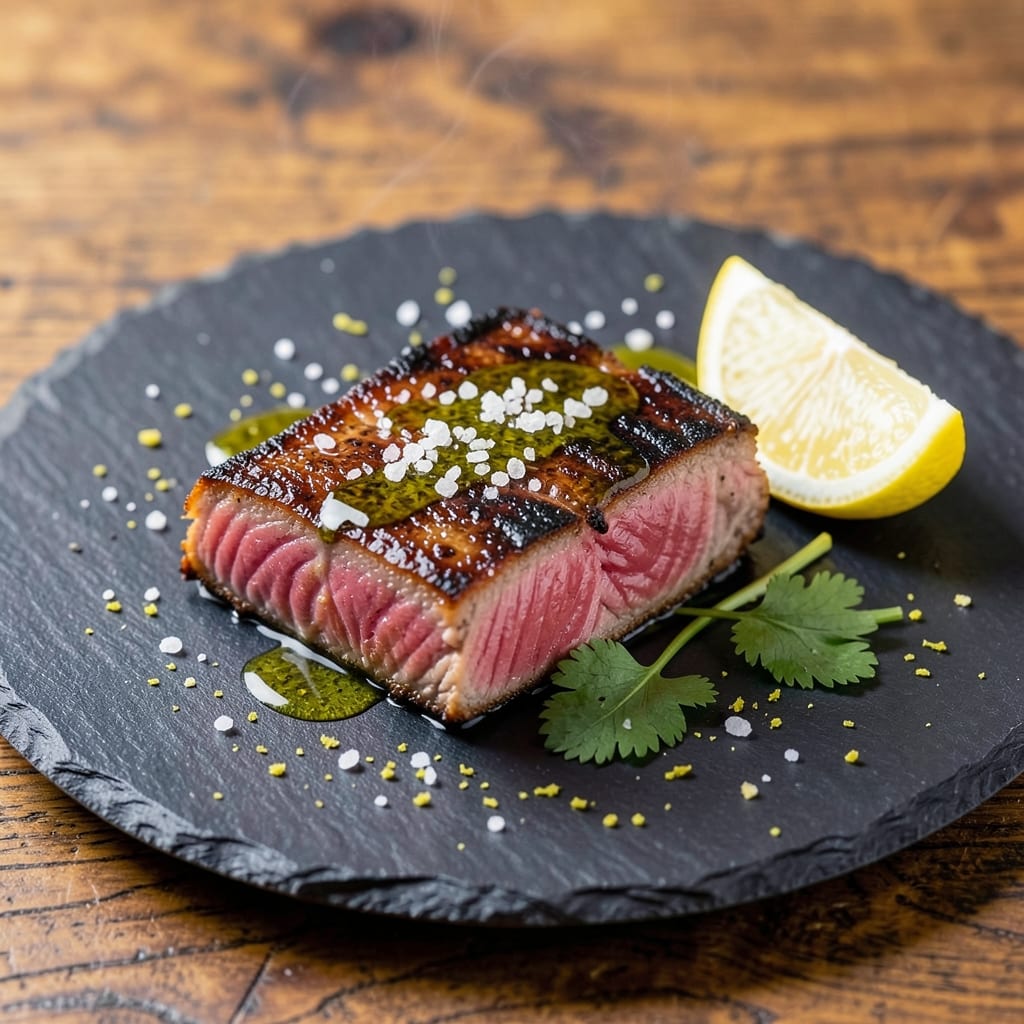
This Big Green Egg tuna steak recipe delivers restaurant-quality results with smoky char and a buttery crust—all in one fire. The key lies in mastering the Egg’s temperature control, where charcoal heat transforms delicate tuna into a perfectly seared masterpiece. I’ve refined this technique after years of experimenting, ensuring every bite balances smoky depth with tender, melt-in-your-mouth texture.
The process starts with high-heat searing to create that coveted crust, then transitions to indirect heat for even cooking. A light brush of olive oil and a sprinkle of flaky salt amplify the natural richness of the fish, while a final touch of citrus or herbs adds brightness. The Big Green Egg’s ability to maintain precise temperatures makes this technique foolproof—no more guessing or overcooking.
What you’ll end up with is a tender yet firm tuna steak with a caramelized crust and subtle smoky notes, served with complementary sides like grilled asparagus or a citrusy slaw. The aroma alone will draw everyone to the table, and the first bite delivers that perfect harmony of texture and flavor.
This recipe works for both beginner and experienced grillers, thanks to the Egg’s forgiving heat management. Whether you’re cooking for a special dinner or a casual weeknight meal, the results are consistently impressive. Let’s get started on creating your best tuna steak yet.
Ingredients for big green egg tuna steak
Fresh tuna, smoky charcoal, and bright citrus—this is your Big Green Egg masterpiece.
| Ingredient | Amount | Notes |
|---|---|---|
| Fresh Ahi Tuna Steaks 🐟 | 1 ½ lb | Center-cut, 1-inch thick slices |
| Extra-Virgin Olive Oil 🫒 | ¼ cup | High smoke point preferred |
| Flaky Sea Salt 🧂 | 1 ½ tsp | Diamond Crystal preferred |
| Fresh Lemon Juice 🍋 | 2 tbsp | From organic Meyer lemons |
| Fresh Cilantro Leaves 🌿 | ¼ cup | Chopped, for garnish |
| Lime Zest 🍈 | 1 tsp | Bright citrus finish |
| Garlic Cloves 🧄 | 2 cloves | Minced for aroma |
| Charcoal Briquettes 🔥 | 12 pieces | Lump charcoal preferred |
| Wood Chips 🌳 | ½ cup | Hickory or applewood |
| Sesame Seeds 🌰 | 1 tsp | Toasted for crunch |
| Avocado Oil 🥑 | 1 tbsp | For post-grill drizzle |
| Fresh Ginger 🌿 | 1 tsp | Finely grated |
| Soy Sauce 🍶 | 1 tbsp | Low-sodium preferred |
| Sesame Oil 🫒 | ½ tsp | For finishing |
The tuna makes or breaks this dish, so spring for the best quality you can find. Look for center-cut slices at your local seafood counter—Whole Foods or high-end grocery stores usually carry the premium cuts. If you're buying frozen, thaw overnight in the fridge with a paper towel pressed against the package to keep it dry. The wood chips? Hickory adds bold smokiness while applewood keeps things more delicate. I always toast mine in the Egg's chimney for 5 minutes before adding to the fire—never skip this step or you'll get bitter smoke instead of flavor.
No fresh cilantro? Substitute with mint or basil—both work beautifully with tuna. Running low on Meyer lemons? Regular lemons plus a pinch of sugar mimics that sweet-tart balance. The sesame seeds can be swapped for crushed peanuts if you're avoiding gluten, though they add a nice crunch. For extra smokiness without wood chips, add a handful of hickory chips to your charcoal when lighting the Egg. And if you're feeling adventurous, a splash of mirin in the marinade adds depth that'll blow your mind.
This recipe shines when you prep ahead. Marinate the tuna for up to 30 minutes max—any longer and it'll get mushy. The Egg maintains heat beautifully, so you can keep the wood chips smoldering in the chimney for 2-3 hours between uses. Store leftover tuna in an airtight container with a paper towel on top to absorb moisture—eat within 2 days. The wood chips? Keep them in a sealed metal container in your pantry for up to 6 months. And that avocado oil? Store it in the fridge after opening to prevent rancidity.
Why You'll Love This Recipe
- Five-Ingredient Magic: I swear by this recipe—just tuna, oil, salt, lemon, and cilantro. That’s it. No chopping, no fuss, and no hidden pantry raids. The Big Green Egg’s heat sears the outside while keeping the inside tender, and the citrus cuts through the richness like a knife.
- Bright & Bold: The moment that flaky sea salt hits the hot tuna? Pure satisfaction. The olive oil keeps it juicy, the lemon adds a zesty punch, and the cilantro finishes it with a fresh, herby whisper. It’s not just good—it’s ridiculously good, with every bite singing.
- Weeknight or Weekend: Between us, this is my lazy Sunday brunch go-to, but it’s also the star of my summer BBQ. Serve it with crusty bread for a light lunch or pair it with grilled veggies for a dinner that feels fancy. No one will guess how little effort it took.
- Leftovers? Better: Honestly, I’ve never had leftovers—it disappears too fast. But if you do, the next day’s tuna salad is chef’s kiss. Just crumble the steak, mix with mayo, and you’ve got a lunch that’s still packed with that same bright, salty, citrusy magic.
Step-by-step instructions for Big Green Egg tuna steak
Here's how to transform your Big Green Egg into a smoky grill that delivers perfect tuna steaks with a buttery crust and delicate char.
Prepare the Big Green Egg for Indirect Heat
Arrange the 12 pieces charcoal briquettes in a ring around the edge of your Big Green Egg, leaving the center empty. Add the 0.5 cup wood chips (hickory or applewood) to the charcoal ring just before lighting. Once the charcoal is fully lit and producing clean blue flames, spread the briquettes evenly around the ring, creating that perfect indirect heat zone.
This setup gives you two cooking zones: the hot ring for searing and the cooler center for gentle cooking. The wood chips will infuse your tuna with subtle smoky notes while keeping the interior tender. Let the grill preheat for 15-20 minutes until the wood chips start producing visible smoke and the grill reaches medium-high heat—around 400-450°F. You'll know it's ready when you see a light haze of smoke and the grill's lid stays cool to the touch.
Season and Sear the Tuna Steaks
While the grill preheats, prepare the tuna by patting the 1.5 lb fresh ahi tuna steaks completely dry with paper towels—this ensures maximum contact with the hot grill surface for that coveted crust. In a small bowl, combine 0.25 cup extra-virgin olive oil, 1.5 tsp flaky sea salt, 1 tsp lime zest, 1 tbsp soy sauce, and 1 tsp finely grated fresh ginger. Brush this marinade generously over both sides of each tuna steak, letting it sit for 5-10 minutes while the grill finishes preheating.
When ready, place the tuna steaks directly on the hot ring of charcoal, away from direct flame. Sear for 2-3 minutes per side—you're looking for deep caramelization and a crispy crust while keeping the interior just below medium-rare (125-130°F internal temperature). The edges should develop a dark char, but the center should still feel slightly soft to the touch. Resist the urge to move them around; let the tuna develop that perfect crust undisturbed.
Move to Indirect Heat for Even Cooking
Once the steaks have developed their initial crust, carefully transfer them to the cooler center of the grill using tongs. Close the lid and let them cook for an additional 3-5 minutes for medium-rare doneness. The indirect heat will gently finish the steaks while maintaining their moisture and tenderness. You'll know they're perfectly done when the internal temperature reaches 125-130°F—the steaks should still have a slight bounce when pressed gently with your finger.
Here's the thing—ahi tuna cooks fast and forgivingly, but it's easy to overcook. The moment the edges start to pull away from the grill grate slightly, it's time to check the internal temperature with a meat thermometer. If you don't have one, cut into a small test piece; it should look deep pink in the center with just a hint of gray at the edges. Remove the steaks immediately once they reach your desired doneness—they'll continue cooking slightly off the grill.
Rest and Finish with Avocado Oil
Transfer the tuna steaks to a cutting board and let them rest for 5 minutes—this crucial step allows the juices to redistribute, ensuring each bite is moist and flavorful. While they rest, prepare the finishing touches by combining 1 tbsp avocado oil and 0.5 tsp sesame oil in a small bowl. Drizzle this mixture generously over the top of each steak, allowing it to soak in slightly.
Garnish each steak with 0.25 cup chopped fresh cilantro leaves and sprinkle with 1 tsp toasted sesame seeds for texture. Finish with a squeeze of 2 tbsp fresh lemon juice—this bright citrus note cuts through the richness of the tuna and enhances all the smoky, umami flavors you've built. The avocado oil adds a delicate buttery finish that complements the char perfectly. Serve immediately while the steaks are still warm and the crust is crisp.
Slice and Serve with Confidence
Slice the tuna steaks against the grain into ½-inch thick pieces for the easiest eating experience. The grain runs horizontally across the steaks, so cutting perpendicular to that direction gives you the most tender bites. Arrange the slices on a warm platter and serve with any accumulated juices from the cutting board—these are packed with flavor and should be savored.
Each bite should deliver a perfect balance: a crispy char on the outside, a buttery crust from the avocado oil, and a tender, smoky interior that melts in your mouth. The citrus and sesame notes add a refreshing contrast that keeps the dish from feeling too heavy. This method ensures you'll get that perfect medium-rare doneness every time, with all the smoky, charred goodness of a traditional grill but with the convenience and portability of your Big Green Egg.
Pro Tips For Making Big Green Egg Tuna Steak
- PAT THE TUNA DRY: Ahi tuna releases its own juices—if it’s damp, you’ll steam the steak instead of searing it. Grab paper towels and press hard on both sides for 10 seconds before cooking. (Yes, even if it feels excessive—trust me, the crust will be worth it.)
- USE A THERMOMETER: Ahi’s perfect doneness is 120–125°F—any hotter and it turns rubbery. Skip the guesswork: insert a thin probe into the thickest part after 20 seconds of cooking. (I learned this after serving a batch that tasted like overcooked chicken.)
- SALT THE PAN FIRST: Flaky sea salt on the pan’s surface creates a crust that sticks to the tuna like magic. Heat the skillet, add 1 teaspoon of salt, then swirl it around before adding oil. (The salt melts into the oil, making the crust actually crispy—not just sprinkled on top.)
- LEMON AFTER, NOT BEFORE: Acid breaks down proteins—if you juice the lemon too early, the tuna will release moisture and won’t sear properly. Wait until the steak hits 115°F, then hit it with a squeeze right off the board. (Fresh cilantro goes on last, too—it wilts fast and loses its pop.)
Perfect pairings for this dish
Smoky Char Sides
Grilled asparagus spears with a sprinkle of smoked paprika and lemon zest make an ideal companion—their natural sweetness balances the tuna’s richness. Toss 1 bunch asparagus with 1 tbsp olive oil, ½ tsp smoked paprika, and 1 tsp lemon zest before grilling on the Egg’s hot ring for 8-10 minutes. The smoky aroma from the wood chips will infuse both dishes beautifully. 🌿
For a heartier option, try charred eggplant slices—slice 1 medium eggplant into ½-inch rounds, brush with olive oil, and grill on the Egg’s hot ring for 4-5 minutes per side until tender with grill marks. Finish with a drizzle of balsamic glaze and crumbled feta for a Mediterranean twist.
Citrus Brighteners
A mango-avocado salsa adds a tropical contrast to the smoky tuna. Dice 1 ripe mango, 1 avocado, and ½ red onion, then mix with 2 tbsp lime juice, 2 tbsp chopped cilantro, and ½ tsp chili powder. The creamy texture and tangy lime cut through the tuna’s richness while keeping the dish light. Serve immediately to prevent browning. 🍈
For a refreshing cucumber-lime salad, thinly slice 1 English cucumber and 1 carrot, then toss with 2 tbsp lime juice, 1 tbsp olive oil, 1 tbsp chopped mint, and ½ tsp flaky salt. The crisp, cool elements refresh the palate between bites of smoky tuna.
Warm Grain Options
Jasmine rice cooked with toasted coconut flakes and a splash of coconut milk absorbs the tuna’s juices beautifully. Toast 2 tbsp coconut flakes in a dry pan until golden, then stir into 1 cup cooked rice with 2 tbsp coconut milk and 1 tsp lime zest. The nutty, aromatic grains complement the tuna’s umami depth. 🥘
For a smoky quinoa bowl, cook 1 cup quinoa in 2 cups vegetable broth with ½ cup chopped bell peppers and ½ tsp smoked salt. The quinoa’s protein content pairs well with tuna, while the smoky salt echoes the grill’s flavor profile.
Dipping Sauces
A yuzu ponzu sauce elevates every bite—mix ¼ cup soy sauce, 2 tbsp mirin, 1 tbsp rice vinegar, 1 tbsp grated yuzu (or lemon) peel, and 1 tsp sesame oil. The sweet-tangy balance enhances the tuna’s natural flavors without overpowering them. Drizzle lightly over the steak or serve on the side. 🍶
For a spicy mayo, whisk ¼ cup mayonnaise with 1 tsp sriracha, 1 tsp lime juice, and ½ tsp grated ginger. The creamy heat contrasts the smoky char, making each bite more dynamic. Store in an airtight container for up to 3 days in the fridge.
Nutrition facts
Frequently asked questions
Can I use frozen tuna for this Big Green Egg recipe?
Fresh tuna is ideal for this recipe, but if you must use frozen, thaw it overnight in the fridge with a paper towel pressed against the package. Never thaw at room temperature—this can cause uneven cooking and affect texture. For best results, buy premium frozen ahi tuna labeled "sushi-grade" and thaw it slowly to maintain quality.
How do I know when the Big Green Egg is at the right temperature?
Your Egg should reach 400-450°F for this recipe. Use an instant-read thermometer to check the internal temperature of the grill—place it near the cooking surface but not touching the charcoal. You'll also see clean blue flames and a light haze of smoke from the wood chips. The lid should stay cool to the touch when the grill is properly preheated.
What if my tuna steaks overcook on the Big Green Egg?
Tuna cooks fast, so remove it immediately when it reaches 125-130°F internal temperature. If you overcook, don't panic—the steaks will still be edible but less tender. For next time, use a meat thermometer and monitor closely. The Egg's precise temperature control makes it easier to avoid overcooking compared to open-flame grills.
Can I make this recipe without wood chips for smoky flavor?
Yes, but the smoky depth will be less pronounced. Use hickory or applewood pellets in your Egg's chimney instead, or add a handful of wood chips to the charcoal when lighting. The Big Green Egg's enclosed cooking chamber helps concentrate the smoke flavor, so even a small amount will make a difference.
How long can I keep leftover tuna steaks?
Store leftover tuna in an airtight container with a paper towel pressed on top to absorb moisture. Eat within 2 days for best quality. The texture changes after this time, though it's still safe to eat. For longer storage, consider freezing for up to 1 month, but the texture won't be as fresh.