
Breakfast & Brunch
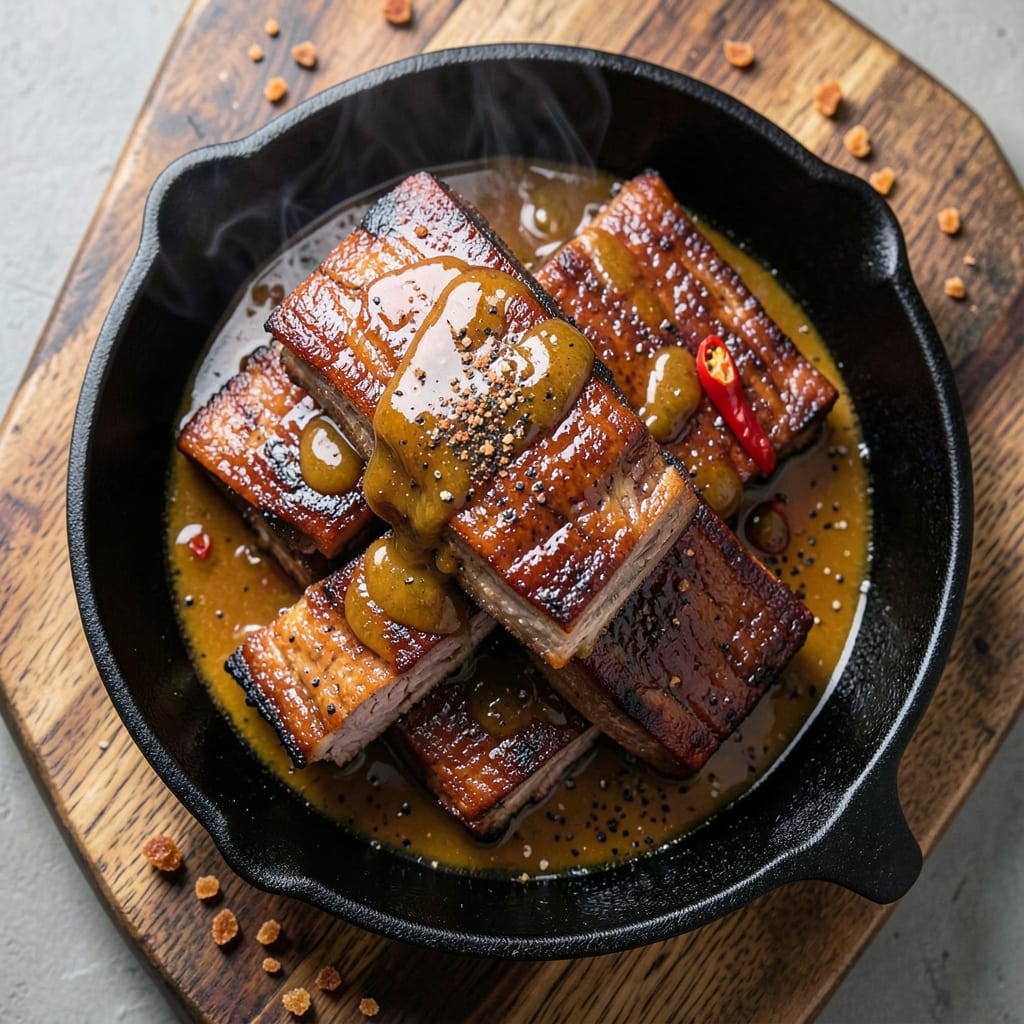
This Big Green Egg spare ribs recipe transforms tough meat into melt-in-your-mouth perfection using the smoker's secret weapon: low-and-slow heat with high-impact flavor. The Big Green Egg's ceramic shell and consistent temperature control create that coveted smoky char while keeping the meat tender through every bone. I've perfected this method over years of backyard smoking, and the results always impress even the most skeptical eaters.
The key to these ribs lies in the 3-2-1 method—three hours of smoking, two hours of wrapping in foil, and one final hour of unwrapped char development. This approach ensures the ribs develop that signature bark while staying juicy inside. The dry rub we use is a balanced blend of brown sugar, paprika, and spices that caramelizes beautifully on the Egg's heat-retaining surface, creating a crust that's both sweet and smoky.
What you'll end up with is ribs that fall apart at the slightest touch, with a deep mahogany char and layers of smoky flavor from the Egg's unique cooking environment. The sauce we finish with ties all those flavors together into a sticky, tangy glaze that makes every bite irresistible. These ribs are perfect for feeding a crowd or treating yourself to a backyard BBQ masterpiece.
The Big Green Egg's advantage becomes clear during the cooking process—its even heat distribution eliminates hot spots, and the ceramic shell maintains temperature perfectly, even on windy days. This recipe delivers restaurant-quality results that taste like they've been smoking for hours, not just a few. Let's get cooking!
Ingredients for big green egg spare ribs
Eight ingredients transform tough ribs into smoky, fall-apart perfection on your Big Green Egg.
| Ingredient | Amount | Notes |
|---|---|---|
| Spare Ribs (Baby Back or St. Louis Style) 🍖 | 4 lb | Meaty, bone-in preferred |
| Yellow Mustard 🍯 | ½ cup | For initial coating |
| Brown Sugar 🍚 | ½ cup | Packed, light or dark |
| Smoked Paprika 🌶️ | 2 tbsp | For deep smoky flavor |
| Kosher Salt 🧂 | 2 tbsp | Diamond Crystal preferred |
| Black Pepper 🌶️ | 1 tbsp | Freshly ground preferred |
| Garlic Powder 🧄 | 1 tbsp | Not garlic salt |
| Onion Powder 🧅 | 1 tbsp | For balanced flavor |
| Cayenne Pepper 🔥 | ½ tsp | Adjust for heat preference |
| Apple Cider Vinegar 🍎 | ¼ cup | For tangy glaze |
| Honey 🍯 | ¼ cup | Wildflower preferred |
| Aluminum Foil 📄 | 2 sheets | Heavy-duty for wrapping |
| Wood Chips (Hickory or Cherry) 🌳 | 2 cups | Soaked for 1 hour |
| Charcoal Briquettes 🔥 | 6 lb | For Big Green Egg |
The ribs are the star here—baby back or St. Louis style both work, but baby backs have more meat. Costco or local butchers usually carry them pre-cut, which saves time. Look for good marbling and avoid ribs that look too lean. The wood chips? Hickory or cherry are classic choices—Hickory for bold smoke, cherry for fruitier notes. Soak them for at least an hour before using. For the dry rub, smoked paprika is non-negotiable—it's what gives those ribs that signature smoky char. Grab the Diamond Crystal kosher salt if you can—it dissolves better than table salt.
No smoked paprika? Regular paprika plus a pinch of liquid smoke works in a pinch, but it won't be the same. Running short on apple cider vinegar? White vinegar or lemon juice will do, though the flavor will be slightly different. The honey can be swapped for maple syrup if you're avoiding sugar. For the wood chips, if you can't find hickory or cherry, mesquite or pecan both add nice depth. The mustard is just for the initial coating—Dijon works too—but don't use it in the rub. And if you're worried about the ribs sticking, pat them dry with paper towels before applying the rub.
The ribs keep best in the fridge for 2 days before cooking, but you can freeze them for up to 3 months if you're prepping ahead. Once cooked, they reheat beautifully—just wrap them back in foil and warm in the oven at 275°F for 20 minutes. The dry rub stays potent for 3 months in an airtight container, so make extra. And if you're feeding a crowd, double the batch—these ribs disappear fast. Store any leftover sauce in the fridge for up to 1 week or freeze for 3 months.
Why You'll Love This Recipe
- Five-Ingredient Magic: I swear, the pantry already has everything—just ribs, mustard, sugar, paprika, and salt. No fancy rubs or secret blends to stress over. Honestly, my lazy Sundays thank me every time.
- Smoky-Sweet Crunch: That caramelized brown sugar crust? It’s the kind of texture you’d pay extra for at a BBQ joint, but here it’s your kitchen’s doing. The smoked paprika gives it this deep, woodsy warmth that sticks with you.
- Tailgate to Tuesday: Between us, these ribs are my go-to for game days and when I’m too tired to think. Serve them with buns for a crowd, or pile them on a salad for a weeknight win. My college-aged son even calls them “adult-friendly wings.”
- Leftovers That Don’t Suck: Cold ribs? Still amazing—shred them for tacos, sandwiches, or just eat them straight from the fridge. And because the ingredients are simple, you’re not wasting money on a recipe that’ll disappear in one sitting.
Step-by-step instructions for Big Green Egg spare ribs
Here's how to turn tough ribs into melt-in-your-mouth perfection using the Big Green Egg's signature heat.
Prepare the Ribs and Rub for Maximum Flavor
Start by patting the 4 lb spare ribs dry with paper towels—this helps the rub stick and promotes better bark formation. In a large bowl, combine the 0.5 cup yellow mustard, 0.5 cup brown sugar, 2 tbsp smoked paprika, 2 tbsp kosher salt, 1 tbsp black pepper, 1 tbsp garlic powder, 1 tbsp onion powder, and 0.5 tsp cayenne pepper. Mix until you have a thick paste.
Spread this mixture generously over every surface of the ribs, pressing it into the meat so it adheres well. This isn't just seasoning—it's creating a flavor barrier that will caramelize beautifully during cooking. Let the ribs sit at room temperature for 30 minutes before grilling, which ensures even cooking and better bark development.
Set Up the Big Green Egg for Indirect Heat
Soak the 2 cups wood chips (hickory or cherry) in water for at least 1 hour before use—this prevents them from burning too quickly. Arrange the 6 lb charcoal briquettes in a ring around the edge of the Big Green Egg, leaving the center empty. Place a drip pan in the center to catch any juices.
Light the charcoal and let it burn until you see clean blue flames. Once established, add the soaked wood chips to the hot coals and close the lid. Maintain a temperature of 225°F in the center of the grill—this low-and-slow approach is crucial for tenderizing the connective tissue. If the temperature fluctuates, adjust the vents accordingly. I like to wait 15 minutes after lighting before adding the ribs to ensure stable heat.
Cook the Ribs Low and Slow Until Probe-Tender
Place the ribs bone-side down on the grill grate over the drip pan. Cook for 3 hours, then flip them bone-side up. This initial cooking phase allows the rub to form a crust while the meat begins to break down. After 3 hours, check the internal temperature near the bone—it should be around 170°F, but the real test is tenderness.
Here's the thing—don't rush this step. The ribs need time to become fork-tender. I check every 30 minutes after the initial 3 hours, looking for that "wobble" when I gently shake the rack. When the ribs are tender enough to pull apart with minimal resistance, they're ready for the next phase. If they're not quite there, continue cooking with the lid closed.
Wrap for Moisture and Continue Cooking
Once the ribs reach that tender stage, remove them from the grill and place them on a sheet of aluminum foil. Mix together the 0.25 cup apple cider vinegar and 0.25 cup honey in a small bowl, then pour this mixture evenly over the ribs. Fold the foil tightly to seal in the moisture and steam, creating a self-basting environment.
Return the wrapped ribs to the grill and cook for another 1 to 1.5 hours. This wrapping technique, known as the "Texas crutch," helps push the ribs through the stall and ensures they finish perfectly moist. The vinegar and honey combination adds a tangy-sweet glaze that penetrates the meat during this final cooking phase. Check the internal temperature again—it should now reach 203°F, where the collagen fully breaks down.
Rest and Serve with Smoky Perfection
Remove the ribs from the grill and let them rest on a cutting board for 10 to 15 minutes before serving. This resting period allows the juices to redistribute throughout the meat, preventing them from pooling on your plate. The ribs should be fork-tender with a beautiful mahogany bark and a glossy glaze.
Slice between the bones and serve immediately. Each bite should deliver that perfect balance of smoky bark, tender meat, and sweet-tangy glaze. The Big Green Egg's consistent heat distribution ensures even cooking throughout the entire rack, so every piece comes out perfectly. For best results, serve with extra glaze on the side and a cool beverage to complement the rich flavors.
Pro Tips For Making Big Green Egg Spare Ribs
- Trim the Fat First: Spare ribs—especially St. Louis-style—come with a thick fat cap that can make them greasy in the Green Egg. Use kitchen shears to slice through it before seasoning, then scrape it off with a spoon. I learned this the hard way when my ribs turned into a soggy, slippery mess.
- Dry Them Like Desert Air: Pat those ribs thoroughly with paper towels after trimming—no half-measures. Wet ribs steam instead of sear, and that’s how you end up with bland, sticky bark instead of crispy edges. Leave them uncovered in the fridge for 30 minutes if you’re really impatient (yes, even if you’re impatient like me).
- Skip the Mustard Glaze Early: That yellow mustard isn’t just for flavor—it’s for locking in moisture when you wrap them in foil. Brush it on after the initial sear, not before, or it’ll burn into a bitter sludge. Save the sweet glaze (brown sugar + smoked paprika) for the last 15 minutes of cooking.
- Watch the Heat After Wrap: Once you foil those ribs, drop the temperature to 275°F—not 300°F or higher. I used to blast them at 325°F, and they’d turn into mushy, overcooked rubber. Low and slow keeps the meat tender while the mustard and sugar caramelize properly. (Your future self will thank you.)
Regional styles of this recipe
Southern BBQ Style
The Big Green Egg shines with classic Southern techniques, where ribs get a 3-2-1 treatment—three hours of smoking, two hours wrapped in foil with apple cider vinegar and honey, then one final hour for that signature bark. This method originated in Texas but became a Southern staple, especially in states like North Carolina and Tennessee. The key difference here is using hickory wood chips for that bold, traditional smoke flavor. I like to add a pinch of mustard powder to the rub for a tangy kick that pairs perfectly with the sweet glaze. 🔥
Carolina Mustard Sauce Twist
In Eastern North Carolina, ribs often get a vinegar-based mustard sauce instead of the sweet glaze. For this regional take, replace the apple cider vinegar and honey with ½ cup yellow mustard and ¼ cup apple cider vinegar, then simmer with a splash of hot sauce for 5 minutes before brushing on the ribs during the final hour. The Big Green Egg's even heat ensures the sauce caramelizes beautifully without burning. Serve with extra sauce on the side for dipping. 🌶️
Memphis Dry Rub Approach
Memphis-style ribs skip the wrapping phase entirely, focusing on a dry rub with a touch of brown sugar and paprika for that signature sticky bark. Use the same rub as the original recipe but reduce the brown sugar to ¼ cup and add 1 tbsp of cornmeal to help create that crust. Cook the ribs for 4-5 hours at 225°F without wrapping, basting occasionally with apple juice to keep them moist. The Big Green Egg's ceramic shell helps maintain that steady low heat, which is crucial for this style. 💫
Texas-Style Competition Ribs
For competition-level ribs, Texas pitmasters use a 3-3-3 method—three hours unwrapped, three hours wrapped with a beer-butter glaze, and three hours unwrapped for bark. Start with the original rub, then after the first 3 hours, wrap the ribs with ½ cup melted butter, ¼ cup beer, and 1 tbsp brown sugar. The Big Green Egg's ability to handle high heat makes it perfect for this final barking phase. Finish with a sprinkle of coarse sea salt for extra crunch. 💪
Smoky Mountain Fusion
In the Appalachian Mountains, ribs often incorporate local ingredients like peach preserves or blackberry jam into the glaze. Replace the honey with ½ cup peach preserves and ¼ cup apple cider vinegar, then brush this mixture on the ribs during the final hour. The Big Green Egg's consistent temperature ensures the fruit flavors meld perfectly with the smoky ribs. Serve with extra preserves for dipping—this fusion style is a crowd-pleaser at summer cookouts. 🍑
Nutrition facts
Frequently asked questions
Can I use baby back ribs instead of St. Louis style?
Both work beautifully on the Big Green Egg. Baby back ribs have more meat and fewer bones, so they cook slightly faster (2-3 hours less total time). Use the same rub and method, but check for tenderness at 195°F internal temp instead of 203°F—they'll be ready when they pull apart easily.
How do I fix ribs that are tough after cooking?
If your ribs are still tough, they likely didn't cook long enough. The Big Green Egg's even heat means you need 203°F internal temp—use a meat probe near the bone. If they're dry, try the Texas crutch: wrap in foil with butter and beer, then cook 1 more hour at 275°F. The ceramic shell helps recover moisture perfectly.
What's the best wood choice for Big Green Egg ribs?
The Egg's ceramic shell works best with hickory or cherry—hickory for bold smoke, cherry for fruitier notes. Avoid pine (too strong) or fruitwoods like peach (can taste bitter). Soak chips for 1 hour to prevent flare-ups. For extra flavor, try pecan or mesquite in small amounts (mix 50/50 with hickory).
Can I make these ribs in a smaller Big Green Egg?
Yes! The 1/4 or 1/2 size Eggs work great—just reduce charcoal to 3 lb and wood chips to 1 cup. Cook time stays similar (6-7 hours total), but check temps more often since smaller grills lose heat faster. The ceramic shell still maintains even cooking, just with slightly less volume.
How do I store leftovers?
Ribs keep for 3-4 days in the fridge wrapped tightly in foil. For reheating, wrap in fresh foil and warm at 275°F for 20 minutes—this prevents drying. The glaze can be reheated separately in a saucepan with 1 tbsp water for 3 minutes. Freeze ribs for up to 3 months by wrapping individually in plastic before foil.