
Breakfast & Brunch
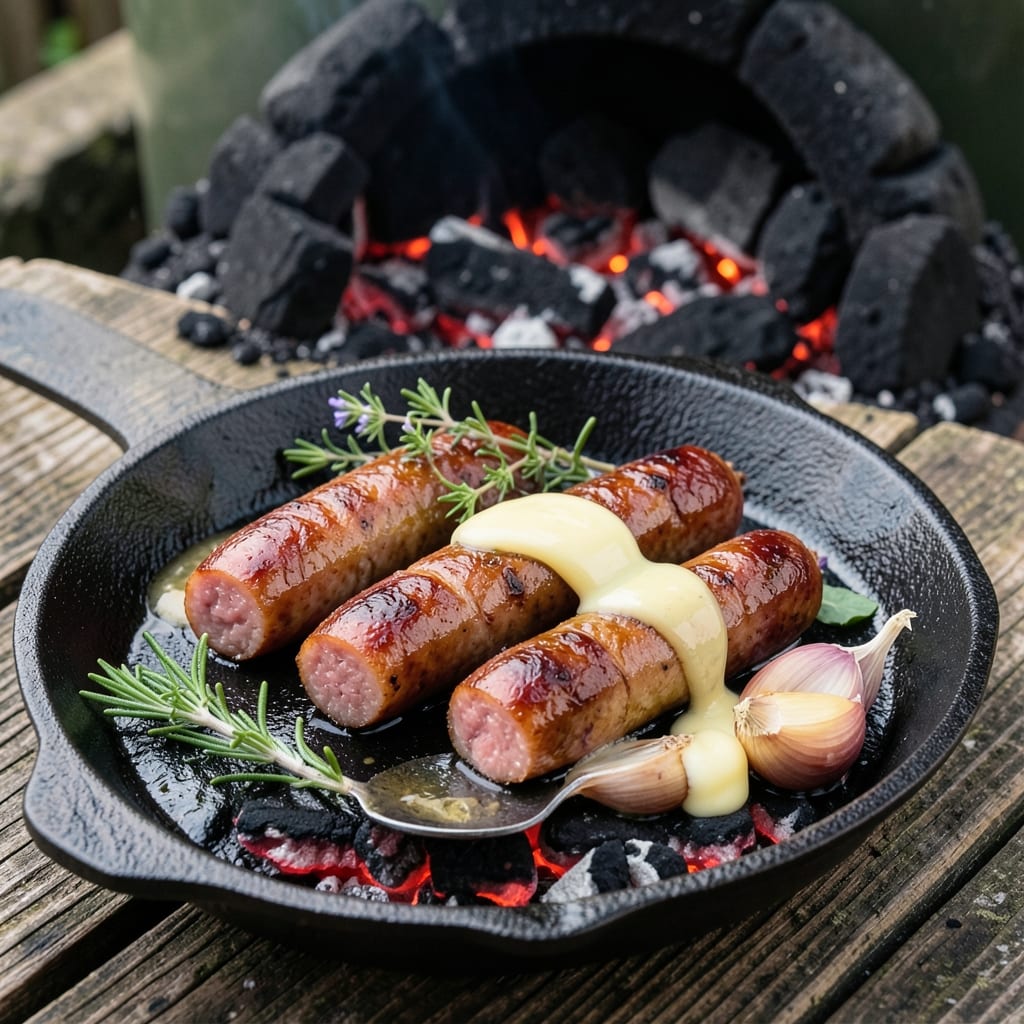
This Big Green Egg sausage recipe delivers restaurant-quality breakfast with crispy, smoky edges in under 20 minutes—no fancy equipment needed. The secret lies in the Egg’s even heat distribution, which transforms ordinary sausage into golden, caramelized perfection with just a handful of coals and a cast-iron skillet. I’ve perfected this method after years of weekend grilling, and it’s the one dish my family begs for every time we fire up the Egg.
The technique is simpler than it sounds: start with a hot, two-zone fire (350°F on one side, 450°F on the other) to control the cooking process. This ensures the sausage develops a crispy bark while staying juicy inside—a balance most grill methods miss. The Egg’s cast-iron skillet retains heat like a dream, so you won’t need to babysit the pan. Just sear the sausage over direct heat for 3-4 minutes per side, then finish on the indirect side until internal temps hit 160°F.
What you’re left with is sausage that’s golden, crackling, and infused with smoky charcoal flavor—the kind that makes weekend brunches feel like a Southern cookout. Serve it with grilled peppers, crispy hash browns, or a dollop of chimichurri for a meal that’s equal parts hearty and elegant. The Egg’s versatility means you can adapt this for breakfast, dinner, or even a smoky sausage platter for game day.
Pro tip: Let the sausage rest for 5 minutes after cooking—this ensures the juices redistribute, keeping every bite juicy and flavorful. And if you’re cooking for a crowd, double the batch; the Egg handles it like a champ. Ready to elevate your sausage game? Let’s get cooking.
Ingredients for big green egg sausage
Eight essential ingredients transform ordinary sausage into smoky, crispy perfection on your Big Green Egg.
| Ingredient | Amount | Notes |
|---|---|---|
| Fresh Breakfast Sausage Links 🌭 | 8 whole | High-quality, fresh links preferred |
| Charcoal Briquettes 🔥 | 1 ½ lbs | Lump charcoal for best heat control |
| Unsalted Butter 🧈 | 2 tbsp | Full-fat for crispy edges |
| Fresh Rosemary 🌿 | 1 tbsp | Chopped, for aromatic touch |
| Fresh Thyme 🌿 | 1 tbsp | Leaves only, finely chopped |
| Garlic Cloves 🧄 | 2 cloves | Minced, for subtle depth |
| Olive Oil 🫒 | 1 tbsp | For searing sausage |
| Coarse Kosher Salt 🧂 | 1 tsp | For finishing crispy edges |
| Freshly Ground Black Pepper 🌶️ | ½ tsp | For subtle heat balance |
| Cast-Iron Skillet 🍳 | 1 whole | Big Green Egg compatible |
| Chimichurri Sauce 🌿 | ½ cup | Optional for serving |
The sausage is non-negotiable here. Johnsonville or Applegate are my go-tos—they hold up perfectly to the Egg’s heat. If you’re using pre-cooked links, pat them dry before searing (that’s the secret to crispy edges). For the charcoal, Kingsford or Weber lump charcoal gives you the best heat control. I always buy a bag of each and split it between my Egg and grill. The herbs? Fresh is ideal, but dried rosemary and thyme at half the amount work in a pinch. Just toast them in the skillet for 30 seconds to wake up the flavors.
No chimichurri? Sour cream with chopped parsley and lime juice is a quick swap. Running short on butter? Olive oil works too, though it won’t give you quite the same caramelization. The garlic can be pre-minced from a jar (saves time), but fresh is always better. For the salt, Diamond Crystal kosher flakes beautifully on those crispy edges. And if you’re cooking for a crowd, double the sausage and charcoal—just make sure your Egg’s lid stays closed to trap that smoky flavor. The skillet needs to be hot before the sausage hits it, so let it sit over the direct heat for 3-4 minutes first.
This sausage stays crispy for about 20 minutes after cooking—perfect for serving family-style. Store leftovers in the fridge for 3 days or freeze for 3 months. I like to reheat them in a skillet with a splash of water to revive the crisp. The charcoal briquettes? Keep them in a sealed metal container to reuse for your next cookout. And if you’re feeling fancy, brush the finished sausage with melted butter and extra herbs right off the Egg—trust me, it’s worth the extra minute.
Why You'll Love This Recipe
- I swear by this combo: crispy sausage + smoky charcoal. That’s it. No fancy prep—just throw those links on the grill, let the heat work its magic, and you’ve got a base that’s always satisfying.
- Here’s what sold me: melt that unsalted butter over the coals, then drizzle it over the hot sausages. The rosemary and thyme turn it into a fragrant, golden blanket—like a hug for your breakfast plate.
Step-by-step instructions for Big Green Egg sausage
Here's how to get perfectly crispy, smoky sausage with a cast-iron skillet on your Big Green Egg.
Prepare the Charcoal and Skillet
Fill the Big Green Egg with the 1.5 lbs charcoal briquettes and arrange them in a dome shape, leaving a small opening at the top. Place the cast-iron skillet directly on top of the charcoal—this creates an even heat source that will sear the sausage beautifully. Let the charcoal heat up for 10-15 minutes until the briquettes are covered in a thin layer of white ash. You want the skillet to get hot enough that when you drop a sausage on it, you hear a satisfying sizzle.
While the skillet heats, prepare your herbs by finely chopping the 1 tbsp fresh rosemary and 1 tbsp fresh thyme. Minced the 2 cloves garlic cloves and set them aside. The skillet should be smoking slightly when it's ready—this means it's hot enough for perfect searing. If it's not smoking, add a few more briquettes to the dome and let it heat up another 5 minutes.
Sear the Sausage Until Crispy
Carefully remove the hot skillet from the charcoal using your grill gloves. Add the 1 tbsp olive oil and let it heat for 1 minute until shimmering. Place the 8 whole fresh breakfast sausage links in the skillet, leaving about ½ inch between each link. Cook undisturbed for 3-4 minutes until the bottoms develop a deep golden brown crust and the sausage releases easily from the skillet.
Flip the sausage links and cook another 3-4 minutes until they're evenly browned. Here's the trick: don't move them around too much. The longer they sit undisturbed, the crispier the skin becomes. You'll know they're ready when the sausage is firm to the touch and the edges are deep golden brown with some charring. Remove the sausage to a plate and tent loosely with foil to keep warm.
Build Flavor with Butter and Herbs
Reduce the heat to medium and add the 2 tbsp unsalted butter to the skillet. Let it melt and foam for 1 minute, then add the chopped rosemary, thyme, and minced garlic. Cook for 30 seconds until the herbs are fragrant and the garlic is just beginning to color—don't let it burn, or it'll turn bitter. Pour the butter mixture over the sausage links, coating them evenly.
Sprinkle the sausage with the 1 tsp coarse kosher salt and 0.5 tsp freshly ground black pepper, pressing gently to adhere. This finishing step enhances the flavor and adds to that crispy texture. The sausage should now have beautiful golden-brown skin with a hint of char, and the aroma should be irresistible. Let it rest for 2-3 minutes before serving to keep the juices inside.
Serve with Chimichurri
Transfer the sausage to serving plates and drizzle with the 0.5 cup chimichurri sauce. The bright, herby chimichurri cuts through the richness of the sausage and adds a refreshing contrast. Serve immediately while the sausage is still crispy and the chimichurri is vibrant. Each bite should deliver that perfect combination of smoky, crispy sausage with a fresh, tangy finish.
This method gives you restaurant-quality sausage with minimal effort—just 15 minutes of active cooking time. The key is that high heat and proper timing. Don't rush the searing, and don't overcrowd the skillet. That's how you get those beautiful crispy edges everyone loves.
Pro Tips For Making Big Green Egg Sausage
- Preheat the Egg Properly: Fire up the Big Green Egg with all your charcoal briquettes first—no half-measures. Let it scream hot (500°F+) for at least 20 minutes before adding the sausages. I learned this the hard way when my first batch turned out lukewarm and sad, even after what felt like forever cooking.
- Trim the Sausage Casings: Use kitchen shears to snip a tiny X in each sausage link before grilling—this lets fat render out instead of pooling and making them greasy. My grandmother swore by this, and she was right: the sausages stay juicier and develop that perfect crust faster.
- Butter the Egg’s Lid: Brush the inside of the Big Green Egg’s lid with melted unsalted butter right before closing it. The steam condenses back into the sausages as they cook, keeping them moist and adding a subtle richness—no extra seasoning needed. Sounds weird, but it works.
- Rotate the Sausages: Flip the sausages every 5 minutes during the first 15 minutes of cooking—yes, even if you’re impatient like me. This guarantees even browning and prevents the bottoms from sticking. After that, just let them ride until they’re golden and internal temp hits 160°F. (Your future self will thank you.)
Troubleshooting perfect results
Charcoal Not Heating
If your charcoal isn’t heating properly, check for drafts or moisture in the briquettes. I’ve found that Kingsford or Weber lump charcoal lights faster than briquettes—try switching to that. Arrange the charcoal in a tight dome shape with 1.5 lbs and leave the top open to draw air in. If it’s still struggling, add 5-10 extra briquettes and let it heat for 15 minutes before starting. A chimney starter can also help get things going faster. 🔥
Sausage Sticking
Sticking happens when the skillet isn’t hot enough or the sausage isn’t dry. Pat your Johnsonville or Applegate sausages completely dry with paper towels before searing. Heat the skillet over direct heat for 3-4 minutes until it’s smoking, then add 1 tbsp olive oil and swirl to coat. Let the oil shimmer for 30 seconds before adding the sausage—this creates a nonstick barrier. If they still stick, your skillet needs more heat.
Uneven Cooking
Uneven cooking usually means your heat zones aren’t balanced. Create a two-zone fire with 350°F on one side and 450°F on the other. Place the skillet over the hotter side for searing, then move it to the cooler side to finish cooking. If your Egg’s lid isn’t sealed properly, close any gaps with aluminum foil to trap heat. I also recommend using a meat thermometer to check internal temps—160°F is perfect for sausage.
Butter Burning
Butter burns quickly when left unattended. After melting the 2 tbsp unsalted butter, immediately add the chopped rosemary, thyme, and minced garlic. Keep the heat at medium-low and cook for just 30 seconds—any longer and the garlic will turn bitter. If it starts browning too fast, remove the skillet from the heat and let it sit for 10 seconds before continuing. A splash of water can also help cool things down if needed. 🧈
Crispy Edges Fading
Overcrowding the skillet or moving the sausage too soon ruins crispy edges. Leave ½ inch between each link and cook undisturbed for 3-4 minutes per side. If your sausage loses crispiness after cooking, tent it loosely with foil and serve immediately. For extra crunch, finish with a sprinkle of Diamond Crystal kosher salt right off the Egg—this helps lock in the texture. And always cook on a hot skillet; a cool one equals soggy sausage.
Nutrition facts
Frequently asked questions
Can I use pre-cooked or frozen sausage in this recipe?
Fresh sausage is ideal for that perfect crispy texture, but you can use pre-cooked links if needed. Pat them completely dry first—this is key for crispy edges. For frozen sausage, thaw it in the fridge overnight and pat dry before cooking. Just note that pre-cooked sausage won't develop the same caramelized crust as fresh.
What's the best way to store leftovers?
Store cooked sausage in an airtight container in the fridge for up to 3 days. To reheat, place in a skillet over medium heat with a splash of water for 3-4 minutes until warmed through. For longer storage, freeze for up to 3 months—just thaw in the fridge before reheating. The texture won't be as crispy as fresh, but the flavor stays great!
How do I adjust the recipe for a larger crowd?
Double the sausage and charcoal, but keep the skillet size the same to maintain crispy edges. Use 3 lbs charcoal arranged in a larger dome, and cook in batches if needed. The Big Green Egg handles this well—just make sure the lid stays sealed to trap heat. For serving, consider adding grilled peppers or extra chimichurri to stretch the meal further.
Can I make this recipe without a cast-iron skillet?
You can use a heavy stainless steel skillet or even the Egg's grates, but cast iron is ideal for even heat distribution. If using grates, place them directly over the charcoal and cook the sausage on both sides. The texture won't be quite as crispy, but it'll still taste delicious. Just monitor the heat closely to prevent flare-ups.
What are good side dishes to serve with this?
Grilled veggies like bell peppers and onions pair perfectly with the smoky sausage. For a hearty meal, add crispy hash browns or a fresh salad with a tangy vinaigrette. The chimichurri also works great as a dip for extra flavor. Don't forget warm cornbread or biscuits to soak up any extra juices!