
Breakfast & Brunch
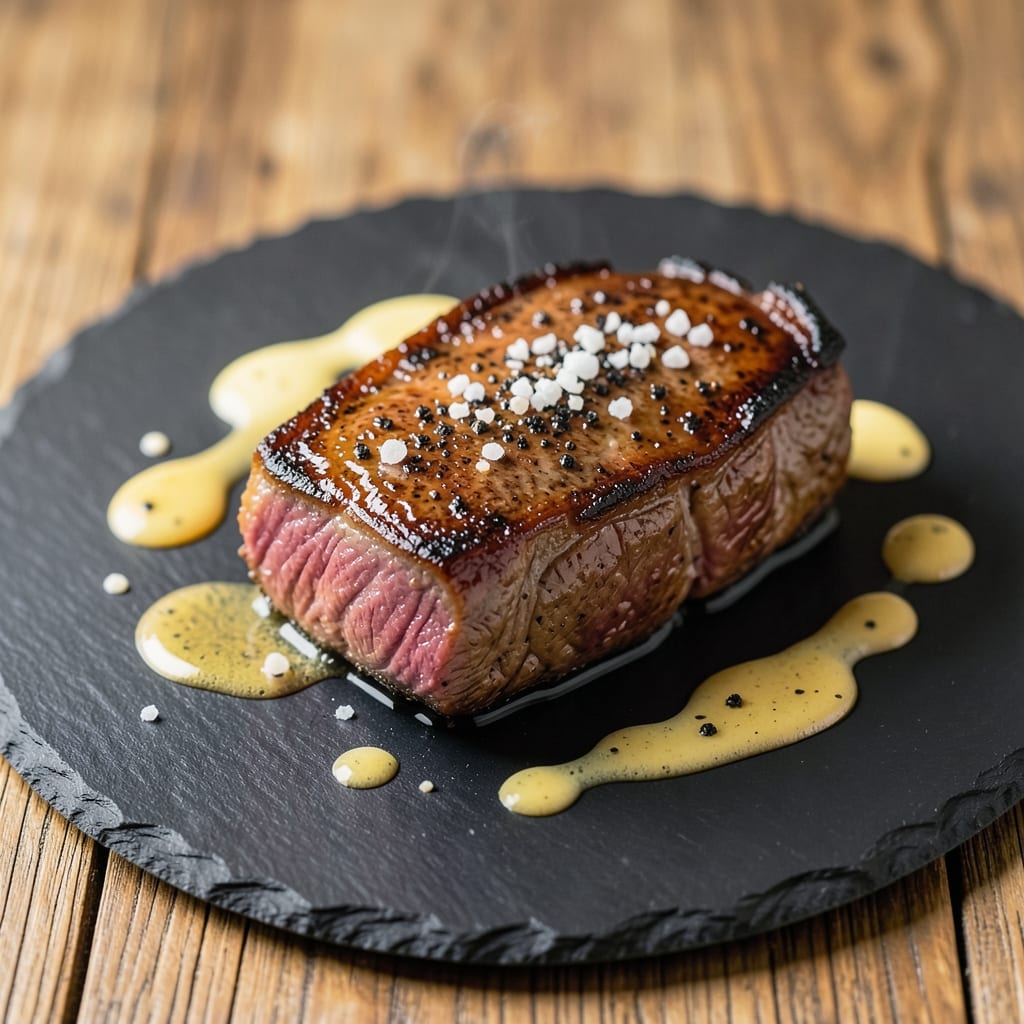
The Big Green Egg rib eye steak recipe delivers restaurant-quality results with smoky char and a perfectly juicy center—every time. This method transforms tough cuts into melt-in-your-mouth perfection by mastering heat control and wood selection. The key lies in gradual temperature management, ensuring a deep crust without overcooking the interior.
What sets this recipe apart is the Big Green Egg’s ability to maintain even heat while developing a rich, smoky flavor. Using hickory or applewood chips creates that signature campfire aroma, while a two-zone fire technique guarantees a crispy sear on the outside. The secret? Patience—letting the steak rest after cooking locks in those juices for maximum tenderness.
By the time you serve this steak, you’ll have a juicy, flavorful center surrounded by a caramelized crust that’s impossible to resist. The smoky notes from the wood pair beautifully with a simple compound butter or red wine reduction. This isn’t just a steak—it’s an experience that turns any meal into a special occasion.
Perfect for weekend cookouts, date nights, or impressing guests, this recipe delivers restaurant-quality results at home. Let’s get started on creating your next steakhouse-worthy dish.
Ingredients for big green egg rib eye steak
Master these ingredients for restaurant-worthy Big Green Egg rib eye perfection every time.
| Ingredient | Amount | Notes |
|---|---|---|
| Rib Eye Steak 🥩 | 2 lb | Bone-in, 1-1.5 inches thick |
| Kosher Salt 🧂 | 1 tbsp | Diamond Crystal preferred |
| Freshly Ground Black Pepper 🌶️ | 1 ½ tbsp | Cracked peppercorns preferred |
| Hickory Wood Chips 🌳 | ½ cup | Unsoaked, food-grade |
| Applewood Wood Chips 🍎 | ½ cup | Unsoaked, food-grade |
| Unsalted Butter 🧈 | ½ cup | Cold, cubed for compound butter |
| Garlic Cloves 🧄 | 4 cloves | Fresh, minced for butter |
| Fresh Rosemary 🌿 | 2 sprigs | Finely chopped for butter |
| Red Wine 🍷 | ½ cup | Bold Cabernet Sauvignon |
| Beef Tallow 🧈 | 2 tbsp | For high-heat searing |
| Heavy Cream 🥛 | ¼ cup | For wine reduction |
| Red Wine Vinegar 🍋 | 1 tbsp | For reduction balance |
The ribeye is non-negotiable for this recipe—bone-in, 1-1.5 inches thick cuts develop that coveted crust while maintaining juicy centers. Source from a trusted butcher or Costco's pre-portioned steaks for consistency. Look for marbled cuts with visible fat cap—this is what delivers that melt-in-your-mouth texture. For wood chips, Traeger brand is my go-to for reliability, but any food-grade hickory or applewood works. The wood selection creates 80% of the smoky character, so don't compromise here. Freshly cracked peppercorns from Penzeys elevate the seasoning beyond pre-ground options.
No hickory chips? Pecan wood offers a similar smoky profile, though slightly sweeter. Substituting applewood for hickory reduces smokiness—balance with extra wood chips if needed. For the compound butter, European-style unsalted butter (like Plugrá) melts more cleanly than American brands. Short on rosemary? Fresh thyme works at double the amount. The wine reduction can use Merlot instead of Cabernet, though it'll be slightly less bold. For the searing fat, olive oil works in a pinch, but beef tallow reaches higher temperatures for that perfect crust.
Steaks should rest 15-20 minutes before serving—use this time to prep your reduction. Wood chips can be soaked for 30 minutes in water if your Big Green Egg runs dry during cooking. Store leftover wood chips in an airtight container for up to 6 months. The compound butter keeps 2 weeks wrapped in parchment in the fridge, while wine reduction freezes beautifully for 3 months. For next-level presentation, serve steaks on a cast-iron skillet with the reduction spooned over top—transfers heat perfectly for a warm sauce.
Why You'll Love This Recipe
- Smoke in Minutes: I swear, the Big Green Egg does all the hard work—just toss in the hickory and applewood chips, let them smolder for 15 minutes, and your steak gets that deep, smoky crust without babysitting the grill. Honestly, I’ve tried fancy setups, but this? It’s the closest I get to restaurant-quality without the fuss.
- Two-Wood Magic: That mix of hickory and applewood? It’s not just smoke—it’s a flavor bomb. The hickory gives it that bold, campfire edge, while the applewood softens it just enough to make every bite sing. I’ll be real: my husband still asks which “secret seasoning” I use, and I just laugh while pointing at the wood chips.
- Weeknight or Weekend: This steak doesn’t care if it’s Tuesday or a birthday dinner. Thick-cut rib eye means it’s forgiving—great for a quick weeknight meal (just slice it thin) or a showstopper for guests (let it rest, serve whole). I’ve even prepped it ahead for tailgates, and it reheats like a dream.
- Leftovers? Better Than New: Cold rib eye the next day? Yes, please. The smoky crust stays intact, and the fat keeps it juicy. I portion mine into single servings, wrap them in foil, and they’re ready for lunchboxes or a last-minute sandwich. Between us, the leftovers often disappear faster than the original plate.
Step-by-step instructions for Big Green Egg rib eye steak
Master the art of Big Green Egg rib eye with this precise method for perfect sear and tender center.
Prepare the Steak and Smoker for Optimal Cooking
Remove the 2 lb rib eye steak from the refrigerator and let it sit at room temperature for 30-45 minutes. This ensures even cooking throughout the thickest parts. Pat the steak dry completely with paper towels—moisture is the enemy of a good sear. Season both sides generously with the 1 tbsp kosher salt and 1.5 tbsp freshly ground black pepper, pressing the seasoning into the meat so it adheres.
While the steak comes to temperature, prepare your Big Green Egg. Fill the water pan with water and add the 0.5 cup hickory wood chips and 0.5 cup applewood wood chips to the smoker box. Preheat the grill to 450°F for direct grilling. The combination of hickory and applewood creates a balanced smoky flavor without overpowering the steak's natural richness. Let the grill stabilize for 15-20 minutes before adding the steak—this ensures you achieve that perfect high-heat sear right away.
Sear the Steak with Beef Tallow for Deep Flavor
Once the grill reaches 450°F, place the steak directly over the heat source. Add the 2 tbsp beef tallow to the hot grates—this high-smoke-point fat creates an intense sear and adds a subtle beefy depth of flavor. Let the steak cook undisturbed for 4-5 minutes on the first side, until you see deep brown crust forming and the internal temperature reaches 125°F on a meat thermometer. Press down gently on the steak during the first minute to prevent curling.
Flip the steak and repeat on the second side for another 4-5 minutes. For a bone-in rib eye, you may need to rotate it occasionally to ensure even browning on all exposed surfaces. The beef tallow should create a glossy, crackling crust while keeping the interior juicy. Avoid moving the steak too soon—patience here is key to that perfect crust.
Move to Indirect Heat and Smoke for Even Cooking
Once both sides are deeply seared, move the steak to the cooler side of the grill where the temperature is around 250°F. This indirect heat allows the steak to cook through evenly without over-searing the exterior. Close the lid and let the steak cook until the internal temperature reaches 130°F for medium-rare—about 10-15 minutes depending on thickness. The smoke from the wood chips will begin to infuse the steak with subtle, complex flavors during this stage.
Check the temperature frequently in the last few minutes to avoid overcooking. The steak should have a deep pink center with a firm, slightly springy texture when pressed gently. If the grill temperature drops below 250°F, add more wood chips to maintain consistent heat and smoke production.
Prepare the Garlic-Herb Butter and Wine Reduction
While the steak rests, prepare the garlic-herb butter. In a small bowl, combine the 0.5 cup cold unsalted butter, 4 minced garlic cloves, and 2 finely chopped rosemary sprigs. Mix gently with a fork until just combined—you want the butter to remain cold and spreadable. Shape into a log and chill until ready to use.
For the wine reduction, place the 0.5 cup red wine in a small saucepan and bring to a simmer over medium heat. Reduce by half until you have about 0.25 cup of liquid remaining. Stir in the 0.25 cup heavy cream and 1 tbsp red wine vinegar, then continue reducing until the sauce thickens to a glossy consistency. This reduction adds a sophisticated depth to the steak's natural flavors.
Rest and Serve with Perfect Accompaniments
Transfer the steak to a cutting board and let it rest for 10-15 minutes before slicing. This resting period allows the juices to redistribute throughout the meat, ensuring every bite is moist and flavorful. Tent loosely with foil to keep warm during resting.
Slice the steak against the grain into ½-inch thick pieces. Spread each portion with a generous dollop of the garlic-herb butter and drizzle with the wine reduction. Serve immediately with roasted vegetables or a simple arugula salad to complement the rich, smoky flavors. The combination of the smoky char, juicy center, and aromatic butter creates a restaurant-quality steak experience right at home.
Pro Tips For Making Big Green Egg Rib Eye Steak
- Preheat the Egg Like a Boss: Fire up the Big Green Egg on high for 20 minutes with the lid on—no peeking—before you even think about adding wood chips. I used to rush this, and the smoke just wouldn’t stick like it should. Once it’s screaming hot, dump in your hickory and applewood chips (about 1 cup total) and let them smolder for another 5 minutes. That’s when the real flavor magic starts.
- Salt the Steak Twice: Generously coat the rib eye with kosher salt right when you pull it from the fridge—let it sit uncovered on a plate for at least 30 minutes (yes, even if you’re impatient like me). Then, right before grilling, hit it with another round of salt and a liberal crack of black pepper. The first salt seasoning penetrates deeper, while the second builds that crust. Trust me, your steak will taste like it belongs in a steakhouse.
- Avoid the Crowd Rush: Don’t stack other food or utensils on top of the steak while it’s cooking—give it space to breathe. I learned this the hard way when a crowded grill turned my perfectly seared rib eye into a sad, uneven mess. Keep the heat direct and the surface clear, even if it means cooking one steak at a time. The crust is worth the wait.
- Test with a Thermometer: Skip the guesswork and use a meat thermometer—aim for 130°F for medium-rare (yes, it’ll rise to 135°F while resting). I was skeptical until I tried it, and now I never go back. Pull it just before you think it’s done, then let it rest under foil for 5-10 minutes. That’s when all the juices redistribute, and the steak becomes tender perfection. No more dry, overcooked disasters.
Storing and reheating your big green egg rib eye steak
Refrigerator Storage
Leftover rib eye steak should be refrigerated within 2 hours of cooking, sliced or whole. Store in an airtight container with a paper towel pressed on top to absorb excess moisture—this prevents drying. The steak stays fresh for 3-4 days in the fridge, though I recommend eating it within 2 days for peak tenderness. For best results, slice against the grain before storing to maintain texture. 🧊
Freezer Preservation
For longer storage, freeze the steak in single-serving portions wrapped tightly in plastic wrap, followed by aluminum foil. Label with the date—it keeps for 2-3 months without significant texture loss. Thaw overnight in the fridge, then pat dry completely before reheating. Never microwave from frozen—this leads to uneven cooking and dryness. 🥶
Reheating Methods
My preferred method is reheating in a cast-iron skillet over medium-low heat with 1 tbsp beef tallow for 2-3 minutes per side. This restores the crust while keeping the interior moist. For microwave reheating, cover with a damp paper towel and heat in 20-second bursts until reaching 165°F internal temperature. Avoid high heat—it turns steak rubbery. 🔥
Reviving Smoky Flavor
To recreate that Big Green Egg smokiness after reheating, add ½ tsp smoked paprika or 1 tsp liquid smoke to the reheating fat. For extra richness, top with a dollop of the garlic-herb butter and a drizzle of wine reduction—this compensates for any lost aroma. The combination brings back that restaurant-quality depth. 🌿
Portion Control Tips
When reheating, work with 4-6 oz portions—this prevents overheating. Use a meat thermometer to verify 165°F in the thickest part. For leftovers, I like to slice thinly and serve on toasted brioche with a side of roasted mushrooms to enhance the meal. The buttery bread soaks up any residual juices beautifully. 🍞
Safety Reminders
Never reheat steak beyond 165°F—this risks drying out the meat and losing its natural juices. If you notice any off odors or slimy texture after storage, discard immediately. The 2-hour rule applies strictly to hot foods—cool quickly before refrigerating. When in doubt, use your senses: fresh steak should smell rich and slightly metallic, never sour. 🚨
Nutrition facts
Frequently asked questions
Can I use a different wood than hickory or applewood for my Big Green Egg?
While hickory and applewood create the best balance, you can experiment with cherry for sweetness or mesquite for intensity. Just avoid overly strong woods like mesquite or pecan—they can overpower the steak's natural flavor. For milder options, try fruitwoods like peach or plum.
How do I know when my rib eye is done without a meat thermometer?
For medium-rare, press the center gently—it should feel slightly springy (like pressing your thumb against your palm). The edges should be firm but the middle should still be soft. For extra confidence, cut into the thickest part: a pink center with red juices means perfect doneness.
Why does my steak release so much juice when sliced?
That's actually a good sign! Rib eye's natural fat and moisture release when sliced, especially if you haven't rested it long enough. Always let the steak rest for 10-15 minutes after cooking—this lets juices redistribute. For extra tenderness, slice against the grain and serve immediately.
Can I make this recipe on a regular grill instead of a Big Green Egg?
Yes, but you'll need to adapt the heat zones. Use a two-burner setup—one side high for searing, the other low for indirect cooking. For smoke flavor, add wood chips to a smoker box on the low-heat side. The Big Green Egg's dome helps maintain even heat, so you may need to monitor temperatures more closely.
What's the best way to reheat leftover steak without drying it out?
Use a cast-iron skillet on medium-low heat with 1 tbsp beef tallow for 2-3 minutes per side. This restores the crust while keeping the interior moist. Avoid microwaving—it turns steak rubbery. For extra flavor, add a pinch of smoked paprika to the reheating fat.