
Breakfast & Brunch
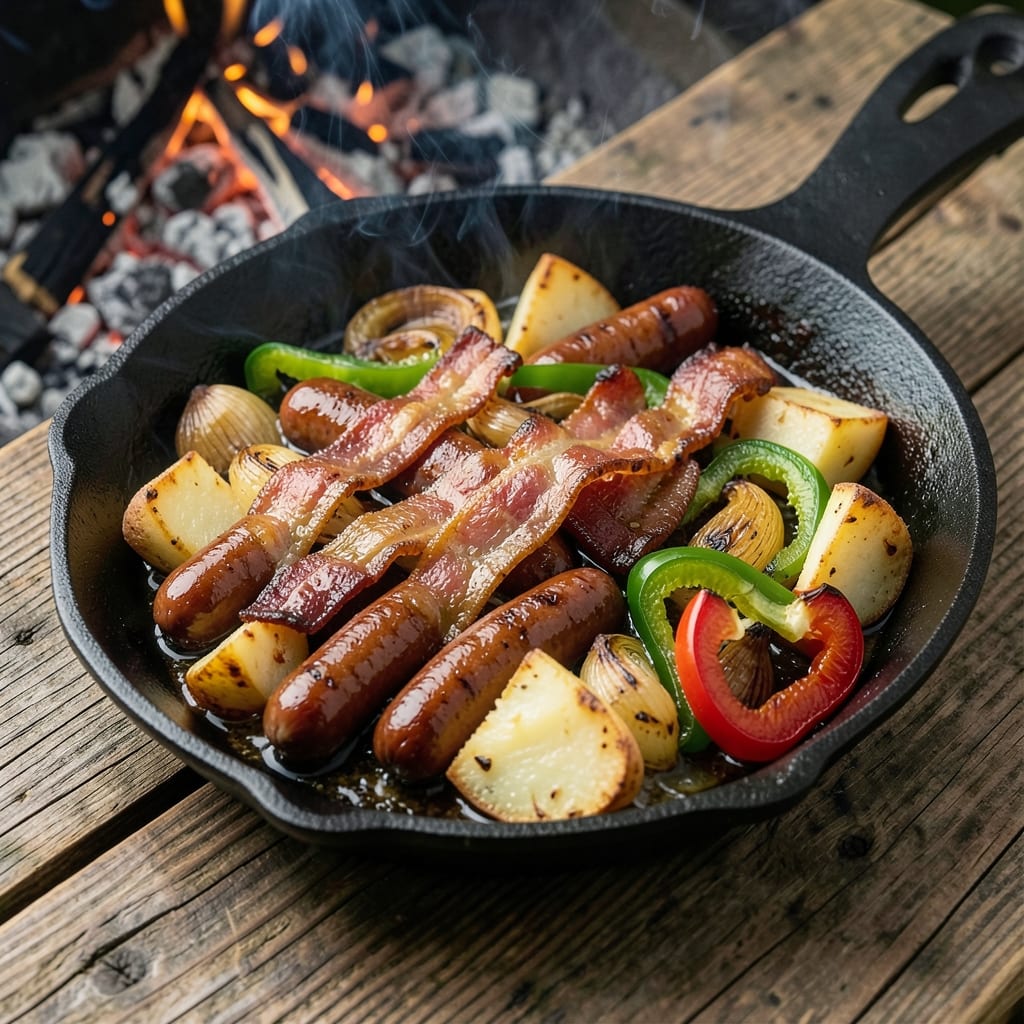
Unlocking the full potential of Big Green Egg recipe ideas starts with understanding its unique heat retention—smoky, cast-iron breakfast magic that rivals a campfire. The key lies in mastering direct heat for crispy edges and indirect heat for tender centers, a technique that turns simple ingredients into restaurant-worthy dishes. Whether you're searing steakhouse-quality eggs or smoking breakfast sausages, the Big Green Egg's even heat distribution ensures consistent results every time.
This isn't just about cooking—it's about recreating that campfire ambiance in your backyard or kitchen. Start with a hot cast-iron skillet placed directly over the coals for quick searing, then move to indirect heat for slow cooking. The lid's insulation traps heat, allowing you to monitor doneness without overcooking. For example, a perfectly crispy breakfast hash benefits from direct heat initially, while smoked bacon wrapped around breakfast potatoes thrives on indirect heat for even cooking.
What you'll achieve is breakfast that tastes like it came from a high-end brunch spot—golden-brown edges, tender interiors, and that unmistakable smoky aroma that lingers in the air. The Big Green Egg's versatility means you can make everything from cast-iron skillet cornbread to smoked breakfast meats, all while maintaining that rustic, wood-fired flavor. The secret? Patience and precision with heat management.
From smoked breakfast sausages to cast-iron griddle cakes, these recipes will elevate your morning routine. Let's dive into the techniques that make your Big Green Egg the star of your breakfast table.
Ingredients for big green egg recipe ideas
Smoky, campfire-inspired breakfast magic starts with these cast-iron essentials and bold flavors.
| Ingredient | Amount | Notes |
|---|---|---|
| Cast-Iron Skillet 🍳 | 1 whole | Preheated over direct heat |
| Breakfast Sausage Links 🌭 | 8 whole | High-quality, smoked flavor preferred |
| Thick-Cut Bacon 🥓 | 8 slices | Applewood or hickory smoked |
| Russet Potatoes 🥔 | 2 lbs | Cut into 1-inch cubes |
| Yellow Onion 🧅 | 1 whole | Thinly sliced, yellow preferred |
| Bell Peppers 🌶️ | 2 whole | Red or green, sliced into strips |
| Eggs 🥚 | 8 whole | Fresh, large eggs preferred |
| Heavy Cream 🥛 | ½ cup | Full-fat for best texture |
| Cornmeal 🌾 | 1 cup | Fine grind for crispy coating |
| Unsalted Butter 🧈 | 4 tbsp | European-style preferred |
| Wood Chips 🌳 | 1 cup | Apple or hickory for smoking |
| Smoked Paprika 🌶️ | 1 tbsp | For extra smoky depth |
| Garlic Cloves 🧄 | 4 cloves | Minced for flavor base |
| Fresh Rosemary 🌿 | ¼ cup | Chopped, for aromatic touch |
| Sea Salt 🧂 | 1 ½ tbsp | Diamond Crystal preferred |
The cast-iron skillet is non-negotiable here—it's the secret to that perfect sear and even heat distribution. Lodge or Staub are my go-tos, but any heavy-duty cast iron will work. For the sausages, Johnsonville or Butcher's Brood from the grocery store deliver consistent quality, but local butchers often have superior options. The bacon should be thick-cut—Oscar Mayer or Applewood from Trader Joe's are solid choices. Potatoes? Russets are ideal for their starchy texture, but Yukon Golds add a touch of creaminess. Pre-cut them at home for even cooking, or grab pre-chopped from the store if you're short on time.
No smoked paprika? Regular paprika plus a pinch of liquid smoke gets you close. Running low on fresh rosemary? Dried rosemary at half the amount works in a pinch, though fresh is always better. Swapping out the heavy cream for half-and-half cuts calories without sacrificing too much richness. The eggs can be pre-cracked into a bowl if you're prepping ahead—just cover and refrigerate until ready. For the wood chips, Traeger or Cookshack brands are reliable, but any food-grade chips from a hardware store will do. If you're feeling adventurous, try mixing apple and hickory for a balanced smoky-sweet flavor.
Prep the potatoes and onions the night before—they keep well in the fridge and make morning cooking a breeze. The wood chips can be soaked in water for 30 minutes before use to create more smoke. Store any leftovers in airtight containers with a paper towel to absorb moisture. These dishes reheat beautifully—cast iron on the grill for 5-10 minutes restores that perfect texture. The sausages and bacon freeze well for up to 3 months, so double the batch if you're hosting. The cornmeal coating stays crispy for 2 days if stored in a sealed container.
Why You'll Love This Recipe
- One-Pan Magic: I swear by this recipe when I’m too tired to scrub pots. Toss everything—sausage, bacon, potatoes, onion—into the cast-iron, crank the heat, and let it do the work. No flipping pans, no stress.
- Crispy-Creamy Contrast: That thick-cut bacon gets glazed and crunchy while the potatoes turn fluffy inside with a golden crust. Honestly, the first bite makes me pause—it’s the kind of harmony that makes you want to eat straight from the skillet.
- Weeknight or Weekend: Between us, this feeds six but costs less than takeout. I make it for lazy Sundays when I’m not in the mood to cook, or for game nights when the gang shows up hungry. The potatoes reheat like a dream, too.
- Budget Breakfast for Days: Breakfast sausage and bacon stretch further than you’d think, and russets are the cheapest spud around. I’ll often double the batch—leftovers for lunch the next day, or I’ll toss them into a frittata. Minimal waste, maximum satisfaction.
Step-by-step instructions for smoky cast-iron morning magic
Transform your Big Green Egg into a hearty breakfast feast with this smoky, flavorful approach.
Prepare the Smoky Base with Wood Chips
Start by preheating the cast-iron skillet over direct heat on the Big Green Egg until it's screaming hot. I like to wait until I see a few smoke rings rise from the surface—this ensures maximum heat transfer. Add the 1 cup wood chips to the fire ring and let them smolder for about 10 minutes until you see a steady stream of thin blue smoke (not thick white smoke). This smoky aroma will infuse every component of your breakfast.
The reason we use wood chips instead of logs is that they burn slower and create a more consistent, gentle smoke. Apple or hickory wood chips work perfectly for breakfast dishes—they add sweetness without overpowering the natural flavors. Keep the lid closed during this time to maintain even heat and smoke distribution throughout the skillet.
Cook the Bacon and Sausage for Maximum Flavor
While the wood chips are smoking, add the 8 slices thick-cut bacon to the cast-iron skillet. Cook over medium heat for 8-10 minutes, stirring occasionally, until the bacon is deep golden brown and crispy. Remove the bacon and set aside on a paper towel-lined plate, leaving the rendered fat in the skillet.
In the same skillet, add the 8 whole breakfast sausage links and cook for another 6-8 minutes, turning occasionally, until they're evenly browned all over. The residual bacon fat will help create a beautiful crust on the sausages while infusing them with smoky bacon flavor. Remove the sausages and set them aside with the bacon, keeping both warm until serving.
Sauté the Vegetable Base
In the same skillet (no need to clean it—the browned bits add flavor), add 2 tablespoons unsalted butter and let it melt completely. Add the 1 whole yellow onion and 2 whole bell peppers, sliced into strips. Cook over medium heat for 5-6 minutes until the onions become translucent and the peppers begin to soften slightly.
Add the 4 cloves minced garlic and cook for another 30 seconds until fragrant. Here's where the magic happens: sprinkle the 1 tablespoon smoked paprika over the vegetables and stir well. The paprika will deepen the smoky flavor profile that's already being infused from the wood chips. Remove the vegetable mixture from the skillet and set aside in a warm serving dish.
Create the Smoky Potato Hash
In the same skillet, add 2 tablespoons unsalted butter and melt completely. Add the 2 lbs russet potatoes, cut into 1-inch cubes, and cook over medium heat for 10-12 minutes, stirring occasionally, until the potatoes are golden brown in spots and beginning to crisp.
Season the potatoes with 1 teaspoon sea salt and ½ teaspoon black pepper, then add the sautéed vegetable mixture back to the skillet. Stir everything together and cook for another 3-4 minutes until the vegetables are heated through and the potatoes are tender with crispy edges. Remove from heat and set aside in a warm serving dish.
Prepare the Smoky Eggs and Final Touches
In a separate bowl, whisk together the 8 whole eggs with 0.5 cup heavy cream and 0.5 teaspoon sea salt. The cream adds richness and helps create silky egg yolks. Heat the cast-iron skillet over medium-low heat and add 1 tablespoon unsalted butter, letting it melt completely.
Pour the egg mixture into the skillet and cook gently for 4-5 minutes, stirring occasionally, until the eggs are just set but still slightly runny in the center. This creates that perfect "sunny-side-up" effect with runny yolks. Transfer the eggs to a warm serving plate.
Assemble and Serve with Smoky Garnishes
To serve, divide the smoky potato hash among plates. Top each portion with 2 breakfast sausages, 2 slices of bacon, and 2 eggs. Sprinkle generously with the 0.25 cup chopped fresh rosemary for an aromatic finish. The rosemary's piney notes complement the smoky flavors perfectly.
For extra crunch, dust the entire dish with 1 cup cornmeal before serving. The cornmeal adds a delightful textural contrast to the creamy eggs and crispy bacon. Serve immediately while everything is hot and the wood smoke aroma is at its peak. This breakfast isn't just a meal—it's an experience that starts with the first whiff of smoke from your Big Green Egg.
Pro Tips For Making Big Green Egg Recipe Ideas
- CRANK THE HEAT FIRST: The Big Green Egg’s lid traps heat, so start potatoes and onions on max flame for 5 minutes—yes, even if you’re nervous about burning. I learned this the hard way after serving mushy potatoes to a crowd who swore they’d never eat at my house again. After that, I never undercook the base.
- CUT POTATOES UNIFORM: Use a mandoline or sharp knife to slice russets into ½-inch rounds—no thick chunks, no thin slivers. Consistent size means even cooking, and that’s how you avoid one side of the skillet turning to paste while the other stays raw. (Yes, I’ve done both.)
- SALVAGE DRY SAUSAGE: Breakfast links lose flavor when overcooked, so remove them from the skillet when they’re just starting to brown—about 2 minutes before your bacon’s done. Toss them in the oven at 300°F for 5 minutes to finish, or they’ll turn into sad, rubbery logs.
- STACK THE BACON STRATEGICALLY: Layer bacon flat in the skillet first, then nestle potatoes and onions on top—this keeps them submerged in rendered fat instead of floating in steam. The result? Crispier bacon and potatoes that actually caramelize instead of boiling. (Your future self will notice the difference.)
Essential equipment for this dish
Cast-Iron Skillet
The Big Green Egg's cast-iron skillet is your secret weapon for breakfast perfection. Preheat it over direct heat until it's screaming hot—this creates that signature sear. I use a Lodge 10.25-inch skillet because it retains heat like a dream while distributing it evenly. The key is patience: let it heat for 5-7 minutes before adding ingredients. This ensures crispy edges on your bacon, sausages, and potatoes without burning. 🔥
Never clean it between components—those flavorful browned bits (fond) add depth to every layer of your breakfast. After cooking, let it cool slightly, then wipe it clean with a paper towel for next time. Store it uncovered to prevent rust, but always dry it thoroughly after washing. A well-seasoned cast iron lasts forever and gets better with age.
Wood Chips
Apple or hickory wood chips are my go-to for breakfast because they add subtle sweetness without overpowering. Soak them in water for 30 minutes before use to create more smoke and less flare-ups. I use Traeger brand chips because they're consistent, but any food-grade chips work. The Big Green Egg's fire ring holds them perfectly—just spread them evenly for balanced smoke.
For extra smoky flavor, try mixing half apple and half hickory. The apple adds fruitiness while hickory brings bold smoke. Keep the lid closed while the chips smolder to trap heat and maximize that campfire aroma. If you see thick white smoke, the chips are too wet—drain them better next time. Thin blue smoke is what you want for that authentic wood-fired taste. 🌳
Heat Management
Mastering direct vs. indirect heat is crucial for Big Green Egg breakfast success. Use direct heat for searing bacon and crisping potatoes—place the skillet directly over the fire ring. For eggs and slow-cooked sausages, switch to indirect heat by moving the skillet to the side of the fire ring. The Big Green Egg's lid traps heat beautifully, so you can monitor doneness without overcooking.
Always keep a thermometer nearby—I use a Meater+ to track skillet temps. Aim for 350°F for bacon and potatoes, then reduce to 300°F for eggs. The lid's insulation means you can walk away briefly, but never leave it unattended. For even cooking, rotate the skillet occasionally. This technique ensures perfect doneness every time without drying out your food. ⏰
Cast-Iron Care
Your cast-iron skillet deserves proper care to maintain its non-stick properties. After breakfast, let it cool completely, then scrub gently with a nylon brush and warm water. Avoid soap—it strips seasoning. Dry it thoroughly over low heat on the Big Green Egg for 5-10 minutes to prevent rust. Store it in a dry place, ideally with a paper towel inside to absorb moisture.
Season your skillet monthly by rubbing it with flaxseed oil and baking it at 450°F for 1 hour. This prevents rust and keeps it ready for your next breakfast feast. I also keep a small bag of coarse kosher salt nearby to scrub stuck-on bits—it works like a charm without damaging the seasoning. A well-maintained cast iron becomes a family heirloom. 💪
Smoke Control
Controlling smoke is an art on the Big Green Egg. For gentle smoke, use smaller wood chips and keep the lid slightly ajar during cooking. For bold smoke, use larger chips and close the lid completely. I find that applewood chips create the perfect breakfast aroma—sweet without being overpowering. If smoke gets too intense, move the skillet to a cooler part of the grill.
Never use pine or cedar chips—they can taste bitter. Stick to fruitwoods like apple, cherry, or peach for breakfast dishes. For extra flavor, try smoked salt on your eggs or bacon. The Big Green Egg's smoke retention means you can close the lid for 5 minutes to let flavors meld before serving. This creates that restaurant-quality depth you crave in your morning meal. 🌟
Nutrition facts
Frequently asked questions
Can I use the Big Green Egg for breakfast dishes other than what's shown here?
The Big Green Egg excels with cast-iron skillet dishes like breakfast burritos, grilled cheese sandwiches, or even smoked breakfast meats like turkey or ham. Try making smoked eggs by placing them in a heat-safe bowl over indirect heat for 10-12 minutes until just set. The key is using apple or cherry wood chips for subtle smoke without overpowering flavors.
How do I prevent my breakfast from getting too smoky on the Big Green Egg?
Use smaller wood chips and keep the lid slightly ajar during cooking to control smoke levels. For minimal smoke, place the skillet on the edge of the fire ring rather than directly over it. Applewood chips create the most balanced flavor—avoid heavy woods like mesquite. If smoke becomes overwhelming, move the skillet to a cooler part of the grill or reduce the number of chips.
Can I make this breakfast ahead of time and reheat it?
Yes, but with care! Cook the potato hash and sausages ahead and reheat on the Big Green Egg's cast-iron skillet over medium heat for 5-7 minutes until warmed through. Eggs should be cooked fresh—reheating them ruins the texture. Store components separately in airtight containers and assemble just before serving to maintain crispiness.
What's the best way to clean my cast-iron skillet after breakfast?
Let it cool completely, then scrub gently with a nylon brush and warm water—avoid soap! Dry it thoroughly over low heat on the Big Green Egg for 5-10 minutes to prevent rust. For stuck-on bits, sprinkle with coarse kosher salt and scrub with a paper towel. Store it uncovered in a dry place with a paper towel inside to absorb moisture.
Can I use regular logs instead of wood chips for breakfast?
Not recommended for breakfast dishes. Logs create too much heat and uneven smoke, which can burn delicate foods like eggs. Wood chips burn slower and produce consistent, gentle smoke perfect for breakfast flavors. If you must use logs, opt for small, split apple or hickory logs and monitor the temperature closely to avoid flare-ups.