
Breakfast & Brunch
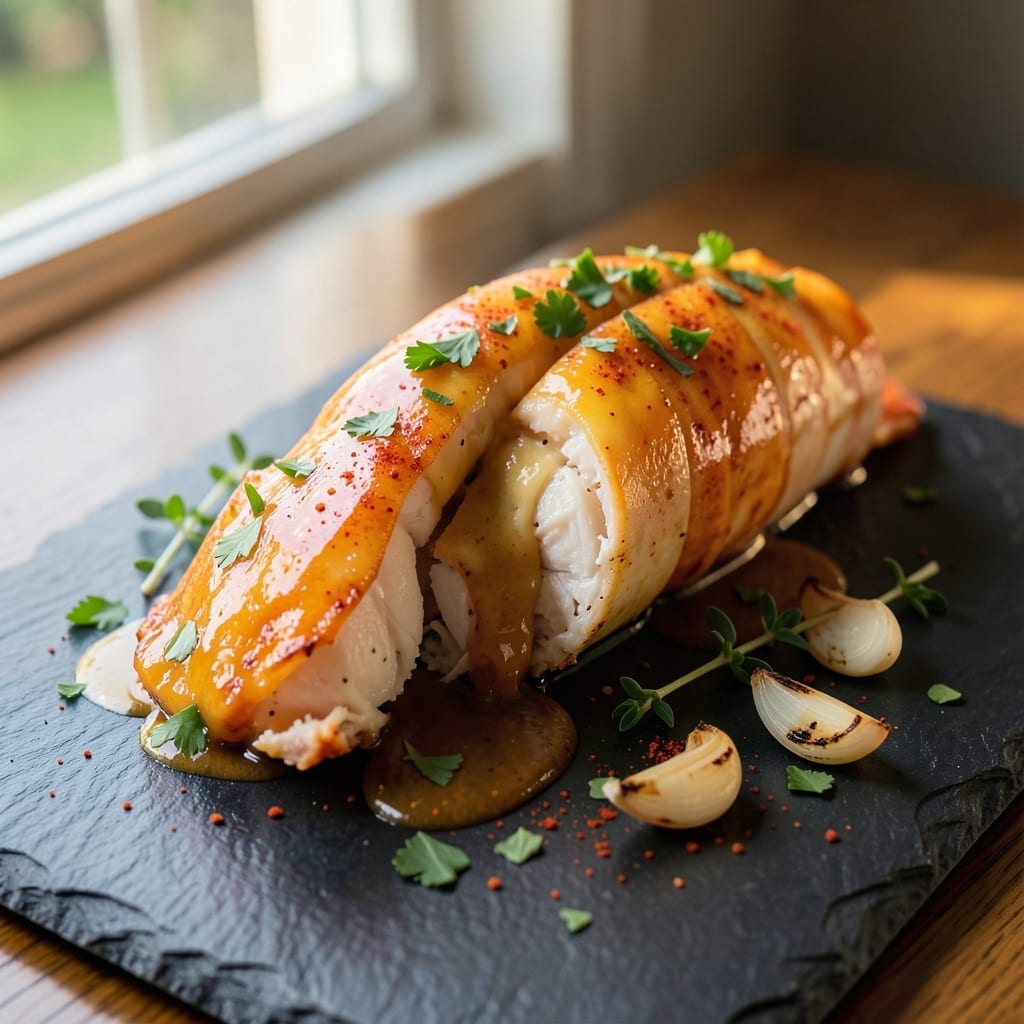
The Big Green Egg lobster tail recipe delivers melt-in-your-mouth perfection with a crispy butter crust and tender center—all in just 15 minutes. The key lies in the Egg’s even heat distribution and smoky char, transforming a simple seafood dish into a restaurant-worthy centerpiece. Whether you're grilling for a special occasion or a weekend brunch, this method ensures juicy, flavorful lobster every time.
Start with a frozen lobster tail (thawed overnight in the fridge) and pat it dry to maximize that golden crust. A generous slather of garlic-herb butter—mixed with parsley, thyme, and a pinch of cayenne—creates a flavor bomb that seals in moisture while delivering smoky, savory depth. The Big Green Egg’s 325–350°F temperature range is ideal for achieving that perfect balance between crispy exterior and succulent interior.
Baste the lobster with melted butter every 2–3 minutes, letting the fat pool in the Egg’s cast-iron bowl and infuse with aromatic herbs. A 10-minute cook time (depending on size) yields a tail that’s tender enough to flake with a fork, while the crust stays shatteringly crisp. Resting for 2 minutes before serving ensures clean slices and maximum juiciness.
Plate the lobster tail with drawn butter (melted and seasoned with lemon zest and Old Bay) and bright lemon wedges for cutting. Pair it with a simple arugula salad dressed in white wine vinaigrette or roasted baby potatoes for a complete, elegant meal. This isn’t just lobster—it’s a foolproof technique that turns a luxury ingredient into a showstopper.
Ingredients for big green egg lobster tail
Fourteen ingredients transform frozen lobster into restaurant-quality perfection on your Big Green Egg.
| Ingredient | Amount | Notes |
|---|---|---|
| Frozen Lobster Tail 🦞 | 1 ½ lb | Thawed overnight in fridge |
| Unsalted Butter 🧈 | ¾ cup | Cold, cut into 1-inch pieces |
| Fresh Parsley 🌿 | ¼ cup | Finely chopped, stems removed |
| Fresh Thyme Leaves 🌿 | 1 tbsp | Or 1 tsp dried thyme |
| Garlic Cloves 🧄 | 4 cloves | Minced, for butter compound |
| Cayenne Pepper 🌶️ | ¼ tsp | Adjust for heat preference |
| Old Bay Seasoning 🧂 | 1 tsp | For drawn butter seasoning |
| Lemon Zest 🍋 | 1 tsp | From 1 large lemon |
| Kosher Salt 🧂 | 1 ½ tsp | Diamond Crystal preferred |
| Black Peppercorns 🌶️ | ½ tsp | Freshly cracked |
| Fresh Lemon 🍋 | 1 whole | For wedges and zest |
| Extra-Virgin Olive Oil 🫒 | 1 tbsp | For basting (optional) |
The lobster tail is the star, so quality matters. Opt for 1.5 lbs frozen lobster tails—thaw them overnight in the fridge, wrapped in paper towels to absorb excess moisture. Costco and specialty seafood markets carry the best frozen tails, often labeled as 'New England' or 'Maine' lobster. Look for tails with vibrant color and minimal bruising. For the garlic-herb butter, European-style unsalted butter (like Plugrá) melts more cleanly than American brands. The parsley should be bright green with no yellowing—Trader Joe's sells pre-washed bunches that stay fresh longer. Thyme leaves are non-negotiable; dried thyme lacks the aromatic depth of fresh, though it's a decent substitute in a pinch.
No fresh parsley? Cilantro or chives work in a bind, though parsley's bright flavor is ideal. Short on cayenne? Red pepper flakes at half the amount deliver similar heat. The Old Bay seasoning can be swapped for a mix of paprika, garlic powder, and black pepper if unavailable. For the lemon zest, avoid the bitter white pith—just the vibrant yellow outer layer. The olive oil is optional but recommended for basting; California extra-virgin with fruity notes complements the butter beautifully. Prefer a less buttery crust? Reduce butter to 0.5 cup and add 1 tbsp olive oil to the compound butter mixture for a lighter texture.
Store any unused lobster tails in an airtight container with paper towels, frozen for up to 3 months. The garlic-herb butter can be shaped into a log, wrapped in parchment, and kept in the fridge for 1 week or frozen for 3 months. Fresh herbs like parsley and thyme should be wrapped in damp paper towels and stored in a sealed bag—lasts 5-7 days in the fridge. For the drawn butter, make it fresh before serving; melted butter reheats beautifully but loses its vibrant color. The lemon zest can be stored in the freezer for up to 3 months in an airtight container, though fresh is always superior.
Why You'll Love This Recipe
- Frozen Luxury Ready: I swear, using a frozen lobster tail cuts my prep time in half—no butchering, no messy shells, just thaw and go. The Green Egg’s even heat seals in that buttery richness without a fight.
- Garlic-Butter Magic: That moment when the lobster tail splits open, oozing with garlic-infused butter and crispy edges? Chef’s kiss. Fresh thyme and parsley tie it all together—simple, but it’s the kind of flavor that makes you pause mid-bite.
- Weeknight Date Night: No stress, no fuss—this is my go-to when I want to impress without slaving away. Serve it with crusty bread, a simple salad, and boom: you’re suddenly the host who actually knows what they’re doing.
- Leftovers That Don’t Suck: Cold lobster tail? Still ridiculous good. I’ll repurpose it into lobster rolls the next day or toss it into pasta for a fancy-ish weeknight dinner. (Yes, even the leftovers taste like a splurge.)
Step-by-step instructions for buttery-crusted lobster tail on Big Green Egg
Master this technique and you'll achieve a perfect balance of crispy crust and succulent lobster every time.
Prepare the Lobster Tail and Butter Compound
Begin by gently thawing the 1.5 lb frozen lobster tail overnight in the refrigerator. Once thawed, carefully split the shell lengthwise down the center using kitchen shears, being careful not to cut into the meat. Remove the vein running along the top of the meat and discard it.
In a small bowl, combine the 0.75 cup unsalted butter (cut into 1-inch pieces), 4 cloves minced garlic, 1 tbsp fresh thyme leaves, 1.5 tsp kosher salt, 0.5 tsp freshly cracked black peppercorns, 1 tsp Old Bay seasoning, 0.25 tsp cayenne pepper, and 1 tsp lemon zest. This butter compound is the secret to that luxurious, flavorful crust. Melt the butter mixture in a small saucepan over low heat, stirring constantly until completely smooth but not browned. Remove from heat and let cool slightly.
Preheat the Big Green Egg and Season the Lobster
Preheat your Big Green Egg to 400°F using lump charcoal. Once the temperature is stable, create a two-zone fire with hot coals on one side and a cooler zone on the other. Place the lobster tail on a piece of aluminum foil, shell-side up, and brush the top of the meat generously with the cooled butter mixture. Spread the remaining butter compound evenly over the shell to create a flavorful crust.
Season the exposed meat with an additional pinch of kosher salt and black peppercorns. The butter compound should be warm but not melted when applied—this ensures it adheres perfectly and creates that coveted crust. If the butter is too runny, chill it for 5-10 minutes before using.
Cook the Lobster Tail to Perfect Doneness
Place the lobster tail on the hot side of the Big Green Egg, shell-side down, and cook for 8-10 minutes. You'll know it's ready when the shell turns a deep golden brown and the meat releases easily from the shell. The butter should be bubbling and forming a crispy crust on the shell.
Use tongs to carefully flip the lobster tail to the cooler side of the grill, shell-side up. Cook for an additional 2-3 minutes until the meat reaches an internal temperature of 145°F (measured with an instant-read thermometer). The shell should be deeply browned and crispy, while the meat remains tender and juicy. If the butter starts to burn, move the lobster to the cooler side immediately.
Rest and Serve with Garnishes
Transfer the lobster tail to a cutting board and let it rest for 2-3 minutes. This brief resting period allows the juices to redistribute, ensuring every bite is moist and flavorful. While it rests, finely chop the 0.25 cup fresh parsley and zest the remaining fresh lemon for garnish.
Slice the lobster tail into ½-inch thick portions and arrange on a serving platter. Drizzle any remaining melted butter from the shell over the top, and sprinkle with the chopped parsley and lemon zest. Serve immediately with lemon wedges on the side for squeezing. Each bite should deliver a perfect harmony of crispy shell, buttery richness, and tender, juicy lobster meat.
Pro Tips For Making Big Green Egg Lobster Tail
- THAW IT RIGHT: DESCRIPTION: Grab a bowl of ice water and submerge the frozen lobster tail for 10-15 minutes—no need to thaw completely. I used to microwave it and end up with rubbery texture. Cold water keeps it firm while warming just enough for even cooking in the Green Egg.
- SALT THE BUTTER: DESCRIPTION: Toss ½ teaspoon of flaky salt into your melted butter before basting—it cuts through the richness and balances the sweetness of the lobster. I learned this the hard way when my first batch tasted bland despite all the herbs.
- DON’T OVERCOOK THE GARLIC: DESCRIPTION: Sear the garlic cloves whole in the Green Egg’s cast iron for 30 seconds max—just until fragrant. Burnt garlic turns bitter and overpowers the delicate lobster flavor. Toss them in at the end if you’re nervous.
- USE THE CRUST: DESCRIPTION: After basting, let the lobster tail sit uncovered for 1-2 minutes—this creates a golden crust instead of steaming it to mush. Sounds counterintuitive, but it’s the thing that makes restaurant-quality lobster at home.
Serving suggestions for this recipe
Elegant Plating
Slice the lobster tail into ½-inch thick portions and arrange them on a white porcelain platter for maximum visual impact. The golden crust will contrast beautifully against the white surface, making the dish look restaurant-worthy. Use a lobster fork or small serving spoon to transfer slices—this keeps the presentation clean and professional. 💫
Butter Drizzle Technique
Save any leftover melted butter from the shell and drizzle it in a zigzag pattern over the lobster slices. For extra flair, use a small squeeze bottle to create thin, even lines. This not only adds visual appeal but also ensures every bite has that rich, buttery flavor. I like to finish with a sprinkle of freshly cracked black pepper right before serving.
Classic Garnishes
Fresh lemon wedges are a must—place them on a small side plate or tuck one between each lobster slice. For a pop of color, add finely chopped parsley or microgreens (like arugula) around the platter. A few crushed red pepper flakes on the side cater to guests who enjoy a little heat. 🍋
Side Dish Pairings
A white wine vinaigrette salad with mixed greens and cherry tomatoes keeps the meal light and refreshing. For a heartier option, serve with garlic-roasted baby potatoes tossed in olive oil and rosemary. Both sides balance the richness of the lobster beautifully. I often pair this dish with a crisp Sauvignon Blanc to complement the buttery flavors.
Family-Style Serving
For a casual gathering, place the lobster tail whole on a large wooden board with a cast-iron skillet of drawn butter in the center. Let guests serve themselves with tongs—this interactive approach makes the meal feel special. Add a small bowl of Old Bay seasoning and lemon wedges on the table for extra customization. 🍽️
Leftovers Strategy
If you have leftovers, store the lobster in an airtight container with a paper towel to absorb moisture. Reheat gently in the microwave for 30-45 seconds or warm in a lightly oiled skillet over low heat for 2-3 minutes. Serve with a simple tomato-basil soup or crusty bread to revive the flavors. The crust won’t be as crispy, but the lobster will still be delicious.
Nutrition facts
Frequently asked questions
Can I use this recipe with a different grill instead of a Big Green Egg?
Yes, but the Big Green Egg's even heat distribution is ideal for this recipe. For a charcoal grill, aim for 325–350°F and use a two-zone fire. Gas grills work too—just preheat to medium-high heat and monitor closely to avoid burning. The key is maintaining steady temperature and basting frequently.
How do I know when the lobster tail is fully cooked?
Use an instant-read thermometer to check the internal temperature—it should reach 145°F. The shell will turn golden brown and crispy, and the meat should flake easily with a fork. If the shell cracks open, it's done. Never overcook—lobster continues cooking even after removing from heat.
What if I don't have fresh herbs like parsley or thyme?
No problem! Substitute with 1 tbsp dried parsley or 1 tsp dried thyme (use half the amount). For parsley, cilantro or chives work in a pinch. The butter compound still delivers great flavor—just skip the garnish if needed. Fresh herbs add brightness, but dried works fine for cooking.
Can I make this recipe ahead of time?
While best served fresh, you can prep components ahead: Make the garlic-herb butter up to 1 week ahead and store in the fridge (or 3 months frozen). Thaw the lobster overnight in the fridge. On cook day, just split the shell and cook immediately. The crust won't be as crispy if reheated, but the lobster stays delicious.
Why did my lobster turn rubbery instead of tender?
Overcooking is the most common cause—lobster cooks quickly! Check the internal temp at 145°F and don't exceed 10 minutes total. Also ensure your Egg is preheated properly and the two-zone fire maintains even heat. If the shell burns before the meat cooks, reduce heat slightly.