
Main Courses
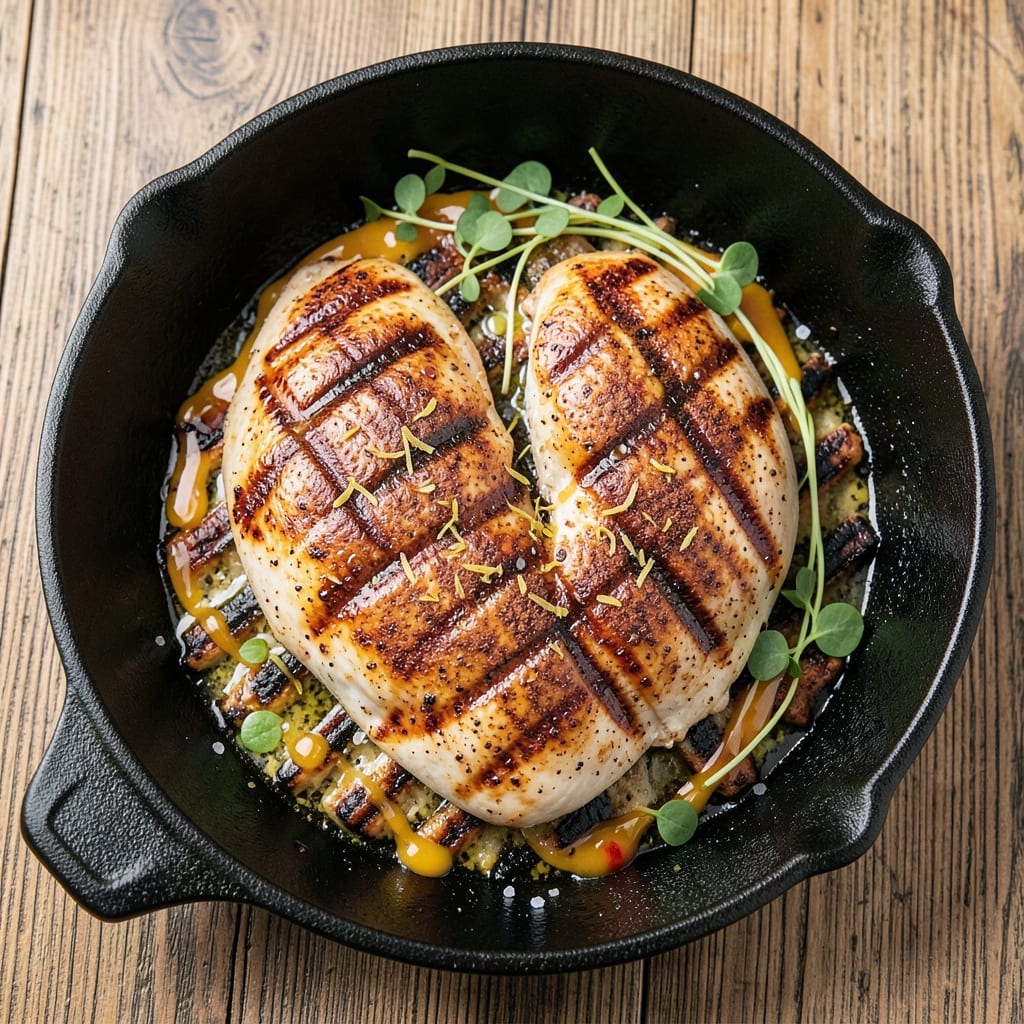
Big Green Egg grilled chicken transforms simple chicken breasts into restaurant-quality masterpieces with that signature smoky char and juicy interior. I’ve been perfecting this technique for years—balancing the Big Green Egg’s unique charcoal heat and lid management to create crisp edges and tender centers every time. The secret lies in indirect heat and a simple but bold marinade that stands up to the grill’s intensity.
What sets this recipe apart is how it leverages the Big Green Egg’s ability to maintain even heat without flare-ups. You’ll start with a dry rub for texture, then grill over indirect heat to cook through while building that coveted crust. The result? Chicken so juicy it practically melts in your mouth, with a smoky char that’s impossible to resist. No fancy equipment needed—just patience and attention to the grill’s rhythm.
This method works beautifully for chicken breasts, thighs, or even legs, making it versatile for weeknight dinners or weekend cookouts. The marinade is simple but impactful—garlic, smoked paprika, and a touch of citrus brighten the flavor while the grill does the heavy lifting. Serve with a crisp green salad or grilled vegetables to let the chicken shine.
Even if you don’t own a Big Green Egg, the principles translate to any grill—just adjust the heat zones and cooking time. The key is control, and once you master it, you’ll never go back to ordinary grilled chicken again. Let’s get started on creating that perfect bite.
Ingredients for big green egg grilled chicken
Simple ingredients that pack a smoky punch for Big Green Egg perfection.
| Ingredient | Amount | Notes |
|---|---|---|
| Boneless, Skinless Chicken Breasts 🍗 | 1 ½ lb | Pounded to even thickness |
| Smoked Paprika 🌶️ | 2 tbsp | For deep smoky flavor |
| Garlic Powder 🧄 | 1 tbsp | Freshly ground preferred |
| Ground Black Pepper 🌶️ | 1 tsp | Freshly cracked for best flavor |
| Kosher Salt 🧂 | 1 ½ tsp | Diamond Crystal preferred |
| Lemon Zest 🍋 | 1 tbsp | Brightens the rub |
| Extra-Virgin Olive Oil 🫒 | 2 tbsp | For marinade and grill |
| Charcoal Briquettes 🔥 | 12 pieces | Lump charcoal preferred |
| Fresh Rosemary 🌿 | ½ cup | Chopped sprigs for aroma |
| Fresh Thyme 🌿 | ¼ cup | Leaves only for rub |
| Apple Cider Vinegar 🍎 | 1 tbsp | Balances flavors |
| Honey 🍯 | 1 tbsp | For subtle sweetness |
The chicken breasts are the star—look for plump, evenly sized ones at the meat counter. Costco or Whole Foods have the best quality, but any supermarket's fresh chicken works if it's bright red and firm. Pounding them to even thickness ensures perfect doneness. The charcoal matters too—lump charcoal burns hotter and creates better flavor than briquettes. I always grab a bag of binchotan charcoal if I'm doing a big cookout, but regular lump works fine. Fresh herbs like rosemary and thyme should smell vibrant, not wilted—if they're past their prime, dried works at half the amount.
No smoked paprika? Regular paprika plus a pinch of liquid smoke gets you close. Fresh rosemary is ideal, but dried works at one-third the amount. The olive oil should be extra-virgin—cheap oil burns easily on the grill. For the marinade, I use apple cider vinegar for tang, but lemon juice works too. Want extra crisp? Brush the chicken with olive oil right before grilling—it helps create that perfect crust. The honey adds just enough sweetness to balance the smokiness, but if you're avoiding sugar, maple syrup works perfectly.
The charcoal stays hot for about 2 hours—plan your grilling around that. Store extra chicken in the fridge for up to 2 days before grilling, but don't marinate longer than that or the texture suffers. Fresh herbs keep best in the fridge, wrapped in damp paper towels for up to 5 days. The dry rub? It keeps forever in an airtight container, so make extra—you'll want to use it again. Leftover chicken reheats beautifully in a skillet with a splash of water or broth to keep it juicy.
Why You'll Love This Recipe
- No-Fuss Seasoning: I swear by this combo—just a sprinkle of smoked paprika, garlic powder, and kosher salt. No fancy marinades, no overcomplicating things. The Big Green Egg’s heat does the rest, locking in that smoky-savory crust with zero effort.
- Smoky-Garlic Magic: That first bite? Crispy edges, juicy center, and a deep garlic-paprika punch that sticks with you. Honestly, it’s the kind of flavor that makes you reach for seconds without even thinking.
- Weeknight Workhorse: Toss it on the grill while you prep sides—salad, roasted veggies, whatever. It’s ready in 20 minutes, feeds four, and still tastes like you slaved over it. (Between us, my kids don’t know the difference.)
- Budget-Friendly Protein: Chicken breasts are cheap, and this recipe stretches them further than any pan-seared version. Leftovers? Reheat them in the Big Green Egg for breakfast tacos or sandwiches—no one complains.
Step-by-step instructions for Big Green Egg grilled chicken
Here's how to transform simple chicken breasts into restaurant-quality grill masterpieces.
Prepare the Herb Rub and Marinate the Chicken
In a small bowl, combine the 2 tbsp smoked paprika, 1 tbsp garlic powder, 1 tsp ground black pepper, 1.5 tsp kosher salt, and 1 tbsp lemon zest. Mix until the spices are evenly distributed and the lemon zest is fully incorporated. This aromatic blend will create that signature smoky char while keeping the meat juicy.
Place the 1.5 lb boneless, skinless chicken breasts between two sheets of plastic wrap and pound them to an even ½-inch thickness using a meat mallet. This ensures even cooking and prevents dry spots. Transfer the pounded chicken to a shallow dish and rub the herb mixture all over, pressing it into the meat so it adheres well. Let the chicken marinate for at least 30 minutes (or up to 2 hours in the fridge) while you prepare your Big Green Egg.
Set Up the Big Green Egg for Perfect Heat
Arrange the 12 pieces charcoal briquettes in a ring around the center of your Big Green Egg, leaving a 2-inch gap in the middle for the chicken. Light the charcoal and let it burn until it's covered with a thick layer of white ash—this usually takes about 15 minutes. Once the coals are ready, spread them evenly around the egg, creating a medium-high heat zone (around 375-400°F).
While the coals heat up, mix 2 tbsp extra-virgin olive oil, 1 tbsp apple cider vinegar, and 1 tbsp honey in a small bowl. Brush this mixture generously over the marinated chicken. The oil adds moisture, the vinegar brightens the flavor, and the honey gives a subtle caramelization during grilling. Let the chicken sit at room temperature for 10 minutes before grilling to ensure even cooking.
Grill the Chicken to Juicy Perfection
Place the chicken on the grill, spacing the breasts about 1 inch apart to allow for even heat circulation. Close the lid and grill for 5-6 minutes on the first side, until the skin develops a deep golden-brown crust and the internal temperature reaches 155°F (use a meat thermometer for accuracy). Flip the chicken and grill for another 5-6 minutes on the second side, basting occasionally with any accumulated juices.
Here's the thing—don't overcook the chicken. The residual heat will carry the temperature up to 165°F as it rests, which is perfect for juicy, tender meat. Once the second side is golden and the chicken reaches 155°F, transfer it to a cutting board and tent loosely with foil. Let it rest for 5-10 minutes before slicing. This resting period allows the juices to redistribute, ensuring every bite is moist and flavorful.
Garnish and Serve with Fresh Herbs
While the chicken rests, finely chop ½ cup fresh rosemary and ¼ cup fresh thyme (leaves only). Sprinkle the herbs evenly over the top of each chicken breast just before serving. The fresh herbs add a bright, aromatic finish that complements the smoky, charred exterior.
Slice the chicken against the grain into ½-inch thick pieces and serve immediately. Each bite should deliver a perfect balance of crispy, smoky char on the outside and tender, juicy meat on the inside. Pair with a fresh salad or grilled vegetables to complete the meal. The honey-vinegar glaze adds a subtle sweetness that ties all the flavors together beautifully.
Pro Tips For Making Big Green Egg Grilled Chicken
- Preheat That Egg: The Big Green Egg’s dome traps heat like a greenhouse—get it screaming hot (450°F+) before adding chicken. Cold metal steals heat, and you’ll end up with sad, undercooked breasts that fall apart at the seams. I learned this the hard way after a batch that hit 165°F internally only after 20 minutes of extra time.
- Pound to Even Thickness: Skip the uneven cooking nightmare by slamming your chicken breasts between two sheets of plastic wrap with a meat mallet or rolling pin. Aim for ½-inch thickness—any thicker, and the outside burns while the center stays gray. (Yes, even if you’re impatient like me.)
- Salt Before Smoking: Kosher salt isn’t just for flavor—it’s your moisture lock. Salt the chicken generously (about 1 teaspoon per breast) at least 30 minutes before grilling. The salt draws out surface moisture, then reabsorbs it when cooked, keeping the meat juicy. I was skeptical until I tried it—now I never skip it.
- Cover for the Last 5: Once your chicken hits 160°F internally, slap a lid on that Egg and let it steam for the final minutes. This traps heat and renders the spices into the meat, giving you that sticky, flavor-packed crust without drying it out. (Your future self will thank you.)
Pro cooking tips for this dish
Charcoal Heat Mastery
The Big Green Egg’s unique charcoal heat is where the magic happens. I always use lump charcoal because it burns hotter and creates more even heat than briquettes. Arrange 12 pieces in a 2-inch ring around the center, leaving that gap crucial for indirect heat. Once covered in white ash (about 15 minutes), spread them evenly—this creates a 375-400°F zone perfect for chicken. Pro tip: If the coals burn too fast, add 2-3 more pieces to maintain steady heat. 🔥
Indirect Heat Secret
This is where most home cooks mess up—direct heat dries out chicken. Keep the chicken off the coals in that 2-inch gap for even cooking. The lid stays closed the whole time, trapping heat and creating a self-basting environment. I test doneness with a meat thermometer at 155°F (it’ll hit 165°F while resting). Overcooking kills juiciness, so trust the thermometer, not time. ⏰
Resting Like a Pro
After grilling, never skip resting—this is non-negotiable. Tent the chicken loosely with foil and let it sit for 5-10 minutes. The juices redistribute, ensuring every slice is moist. I’ve seen people cut into chicken too soon, and it’s a crime—juices pool on the plate instead of staying in the meat. For extra crisp, brush with olive oil right before serving. 💫
Big Green Egg Hacks
No thermometer? Press the chicken—it should feel firm but still yield slightly. For thicker cuts, add 5 minutes per side. If the lid gets too hot, open it for 30 seconds to release steam. And here’s my favorite trick: Sprinkle coarse salt on the grill grates before adding chicken—it prevents sticking and adds a subtle crunch. 💡
Adapting to Other Grills
No Big Green Egg? No problem. Use the same indirect heat principle on any grill. On a gas grill, turn half the burners off and place chicken over the cool side. Charcoal grills work too—just arrange coals in a 3/4-circle on one side. The key is heat control, not the grill itself. 🔥
Herb Freshness Matters
Fresh herbs make all the difference. I always chop rosemary and thyme right before serving to preserve their aroma. If using dried, double the amount but toast them in a dry pan for 30 seconds to wake up their flavors. The honey-vinegar glaze? Brush it on just before the final minute of grilling for maximum caramelization. 🌿
Nutrition facts
Frequently asked questions
Can I use chicken thighs instead of breasts for this recipe?
Chicken thighs work beautifully and stay juicier during grilling. Increase cooking time to 8-10 minutes per side (or until internal temp reaches 165°F) since they have more fat and connective tissue. The skin will crisp up perfectly with the same rub, creating even more flavor. Just watch them closely—they brown faster than breasts.
What's the best way to store leftover grilled chicken?
Store in an airtight container in the fridge for up to 4 days or freeze for 3 months. For reheating, warm in a skillet with a splash of water or broth over medium-low heat until heated through (165°F). The skin stays crispy if you reheat it covered with a lid, then uncover for the last 30 seconds to restore that perfect texture.
How do I adjust the recipe for a smaller Big Green Egg?
Scale down the charcoal to 6-8 pieces for a 12-inch Egg, maintaining the same 2-inch ring pattern. Reduce chicken to 1 breast (or 2 thighs) and adjust cooking time to 4-5 minutes per side. The key is keeping the same heat zone ratio—just smaller. For even smaller Eggs, use half the rub ingredients and grill at 350°F to prevent flare-ups.
Why did my chicken turn out dry?
Most likely you overcooked it or skipped the resting step. Always use a meat thermometer—chicken should reach 155°F while grilling (it'll hit 165°F while resting). Another common mistake is grilling over direct heat. Keep chicken in the 2-inch gap away from coals and close the lid to trap moisture. Pounding breasts to ½-inch thickness also prevents dry spots.
Can I make this recipe on a gas grill?
Yes! Set up indirect heat by turning off half the burners and placing chicken over the cool side. Use medium heat (about 375°F) and grill for 6-8 minutes per side, basting with the honey-vinegar glaze. The same principles apply—just monitor the heat zones carefully. Gas grills can get hotter spots, so rotate the chicken quarter-turn every 2 minutes for even cooking.