
Main Courses
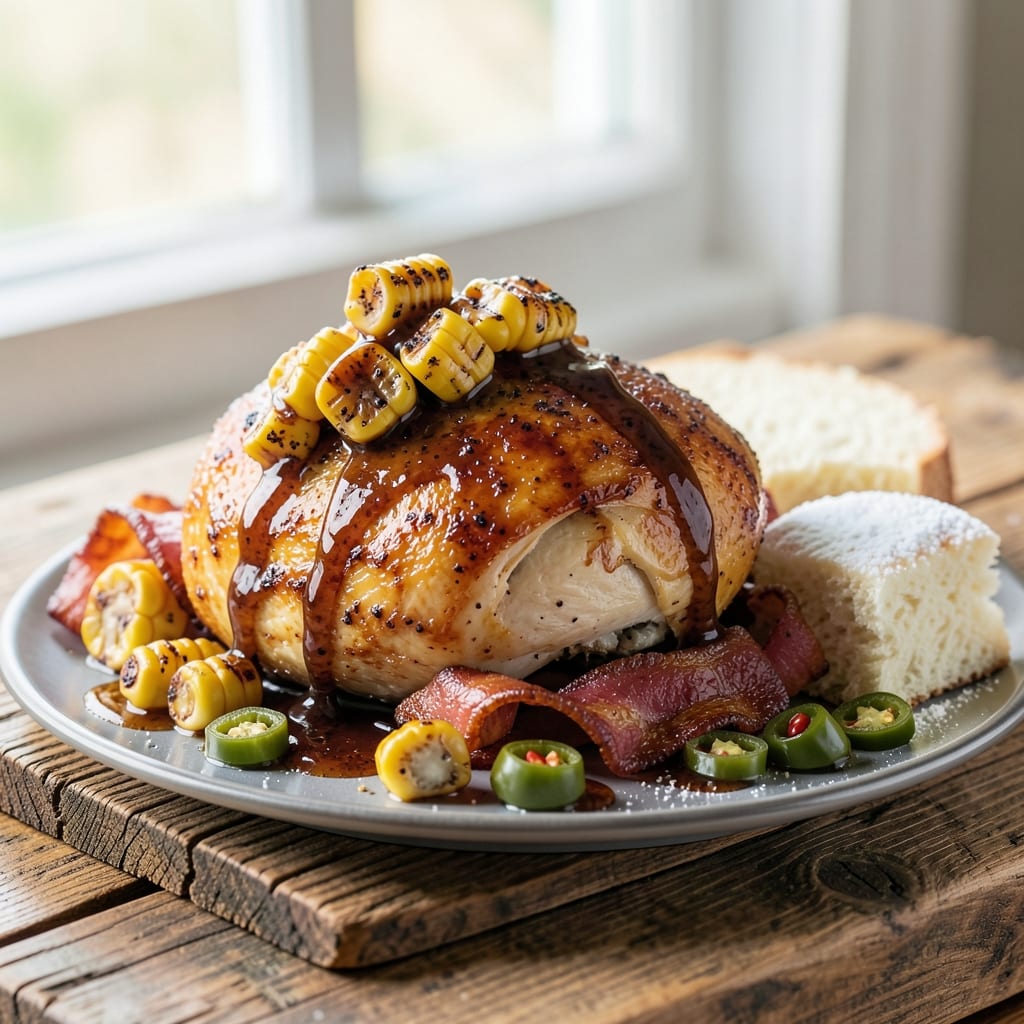
Big Green Egg BBQ chicken transforms backyard cooking into a smoky masterpiece—juicy, charred perfection that rivals your favorite pitmaster. 🔥 The secret lies in the Egg's ability to control heat and smoke, creating that signature bark while keeping the meat tender inside. I've been perfecting this technique for years, and it never fails to impress even the most skeptical guests.
The key starts with a bold dry rub—paprika, brown sugar, and spices that form a flavorful crust when exposed to indirect heat. Using the 3-2-1 method for wood and fire management ensures consistent temperatures and that signature smoky aroma. This isn't just chicken; it's a showstopper that demands attention at every turn.
By the time you're done, you'll have golden-brown, crispy skin with succulent meat that falls apart at the touch of a fork. The Big Green Egg's even heat distribution means no cold spots or overcooked edges—just restaurant-quality results that taste like they've been smoking for hours. This is the kind of dish that makes your grill the centerpiece of summer gatherings.
Pair it with classic sides like cornbread and coleslaw for the full experience, or serve it on buns for a next-level BBQ sandwich. The techniques here work for any cut—wings, thighs, or whole chickens—but the principles remain the same: patience, proper temperature control, and respect for the smoky process.
Ingredients for big green egg bbq chicken
Bold spices and smoky secrets for Big Green Egg BBQ chicken that rivals pitmaster perfection.
| Ingredient | Amount | Notes |
|---|---|---|
| Boneless, Skinless Chicken Thighs 🍗 | 2 ½ lb | Large cut for juicy texture |
| Smoked Paprika 🌶️ | 2 tbsp | For deep smoky flavor |
| Light Brown Sugar 🍚 | 2 tbsp | Enhances caramelization |
| Coarse Kosher Salt 🧂 | 1 ½ tbsp | Diamond Crystal preferred |
| Ground Black Pepper 🌶️ | 1 tbsp | Freshly cracked for bite |
| Garlic Powder 🧄 | 1 tbsp | Toasted for depth |
| Onion Powder 🧅 | 1 tbsp | For balanced sweetness |
| Ground Cumin 🌿 | ½ tbsp | Earthy complexity |
| Apple Cider Vinegar 🍎 | 2 tbsp | Tenderizes meat |
| Unsmoked Paprika 🌶️ | 1 tsp | For color contrast |
| Hickory Wood Chips 🌳 | 1 package | Soaked for 30 minutes |
| Yellow Charcoal Briquettes 🔥 | 1 lb | For consistent heat |
| Butterflake Lard 🧈 | 2 tbsp | Melted for basting |
| Fresh Rosemary 🌿 | ¼ cup | Chopped sprigs for aroma |
| Fresh Thyme 🌿 | ¼ cup | Leaves only for flavor |
The chicken thighs are non-negotiable—skin-on, bone-in cuts hold up best to the long, slow cook. Local butchers often have the best selection, but any grocery store with a meat counter will carry them. Look for pieces with good marbling and vibrant color, not grayish or slimy. I always buy free-range when possible, as the flavor difference is noticeable. For a crowd, double the amount—just scale up the rub proportionally. The thighs should be at room temperature before smoking, so plan ahead if they're straight from the fridge.
No smoked paprika? Substitute with a mix of regular paprika and a pinch of liquid smoke—about 1/4 tsp will do. The brown sugar can be swapped for turbinado or muscovado for a deeper molasses note. If you're short on fresh herbs, dried rosemary and thyme at half the amount work in a pinch. The hickory wood chips are essential for that classic BBQ flavor, but if you're out, cherry or pecan chips will give a slightly sweeter profile. For the vinegar, balsamic or lemon juice both add brightness. And trust me on the lard—it's what gives that signature crispy bark.
Store any leftover chicken in an airtight container for up to 4 days, but honestly, it's best fresh off the Egg. The rub keeps well in a sealed jar for 3 months if you want to make a big batch ahead. For leftovers, reheat in a 350°F oven for 15 minutes with a splash of apple cider to keep it moist. The wood chips can be reused once dried out, but fresh is always better. If you're planning a big cook, double the charcoal—you'll need plenty for consistent heat, especially if you're doing multiple batches.
Why You'll Love This Recipe
- One-Bowl Magic: I swear by this recipe because it’s actually one bowl—just toss the thighs with smoked paprika, brown sugar, salt, and pepper, then toss them in the Big Green Egg. No measuring cups, no extra pans, no stress. That paprika alone gives it this deep, smoky backbone that’s impossible to mess up.
- Smoky-Sweet Obsession: Between us, the brown sugar and smoked paprika combo is ridiculously addictive. The thighs get this caramelized crust while staying juicy inside—like a BBQ sandwich in every bite. Honestly, I’ve made this for people who “don’t like BBQ,” and they still ask for seconds.
- Tailgate or Tuesday: This recipe works everywhere. Pack it for a game day (it stays crispy in the cooler), throw it on the grill for a lazy summer night, or even serve it cold in wraps the next day. My daughter’s soccer team’s been eating it for years—no fancy setup, just good food.
- Budget Win: Chicken thighs are cheaper than breasts, and this recipe stretches them further than you’d think. A single batch feeds four, and leftovers reheat like a dream—whether wrapped in foil or straight from the fridge. I’ll be real: it’s my go-to when I’m trying to save money but still want flavor.
Step-by-step instructions for Big Green Egg BBQ chicken
Here's how to create restaurant-quality smoked chicken with that perfect balance of juicy interior and smoky charred crust.
🔥 Step 1: Prep the Chicken and Dry Rub
Pat the 2.5 lb boneless, skinless chicken thighs completely dry with paper towels—this is critical for that crispy char. I like to press firmly to remove all surface moisture, especially in the crevices. Place them on a plate and let them sit at room temperature for 30 minutes while you prep the rub.
In a bowl, combine the 2 tbsp smoked paprika, 2 tbsp light brown sugar, 1.5 tbsp coarse kosher salt, 1 tbsp ground black pepper, 1 tbsp garlic powder, 1 tbsp onion powder, 0.5 tbsp ground cumin, and 1 tsp unsmoked paprika. Mix well until evenly distributed. This blend gives you that perfect balance of smoky, sweet, and savory flavors.
Generously coat each chicken thigh with the dry rub, pressing it into the meat so it adheres well. The sugar will caramelize during smoking, creating that beautiful crust. Let the rubbed chicken rest uncovered in the fridge for at least 1 hour (I often do this overnight)—this allows the rub to penetrate deeply and enhances flavor development.
🔥 Step 2: Set Up Your Big Green Egg for Indirect Heat
Soak the 1 package hickory wood chips in water for 30 minutes to prevent flare-ups. Build your charcoal in the Big Green Egg using the 1 lb yellow charcoal briquettes, arranging them in a ring around the edges to create an indirect heat zone in the center. This setup gives you that classic smoked flavor without direct flame exposure.
Once the charcoal reaches 225°F, add the soaked wood chips to the hot coals. You'll know it's ready when you see thin, blue smoke—this is the sweet spot for flavor development. Place a drip pan filled with 2 tbsp apple cider vinegar in the center to help tenderize the meat as it smokes.
Melt the 2 tbsp butterflake lard in a small saucepan over low heat and set aside. This will be your basting liquid later—it adds incredible richness to the crust. Keep it warm but not smoking until you're ready to use it.
🔥 Step 3: Smoke the Chicken with Precision
Place the rubbed chicken thighs on the grill grate in the indirect heat zone, arranging them so they're not touching. Close the lid and maintain a temperature of 225-250°F—this low-and-slow approach is key to juicy results. I check the temperature every 15 minutes during the first hour, adjusting the vents as needed to maintain consistency.
After 1 hour, use tongs to flip the chicken thighs and baste them generously with the melted butterflake lard. This creates that beautiful crust while keeping the meat moist. Continue smoking for another 1-1.5 hours until the internal temperature reaches 165°F and the skin develops a deep mahogany color with visible char marks.
Here's the thing—don't open the lid too often. Every time you peek, you lose heat and extend cook time. Trust your thermometer and resist the temptation to check constantly. The chicken will release easily from the grill when it's done, and you'll see that perfect balance of crispy exterior and juicy interior.
🍳 Step 4: Create the Herb Butter Baste
While the chicken rests, make the herb butter baste by combining the remaining 0.25 cup fresh rosemary and 0.25 cup fresh thyme with any accumulated juices from the grill. I like to finely chop the herbs and mix them with a spoonful of the melted lard from earlier for extra richness.
Brush this herb mixture generously over the smoked chicken thighs just before serving. This step adds an extra layer of aromatic complexity that takes your dish from good to exceptional. The herbs should be finely chopped so they melt into the crust rather than sitting on top.
⏰ Step 5: Rest and Serve with Confidence
Transfer the smoked chicken to a cutting board and tent loosely with foil. Let it rest for 10-15 minutes before serving. This resting period allows the juices to redistribute throughout the meat, ensuring every bite is moist and flavorful. The crust will firm up slightly during this time, making it easier to handle.
Slice the chicken against the grain for maximum tenderness and serve immediately. The result should be chicken with a beautiful dark char on the outside, a pink smoke ring just beneath, and perfectly juicy meat that falls apart easily. Pair it with your favorite sides and watch your guests rave about that smoky, herby flavor profile.
Pro Tips For Making Big Green Egg Bbq Chicken
- Preheat That Egg: Your Big Green Egg won’t play nice if it’s cold—fire it up to 350°F and let it sit for 10 minutes first. I learned this the hard way when my first batch of thighs came out unevenly cooked because the egg was still chilly inside. That extra time evens out the heat, so your chicken cooks through without drying out.
- Dry the Thighs First: Pat those boneless thighs thoroughly with paper towels before seasoning—no wet spots. I used to skip this, and the sugar in the rub would just turn to gummy sludge instead of caramelizing. Dry meat = better crust, better flavor, no sticky mess.
- Don’t Crowd the Grate: Leave at least an inch between thighs when stacking them on the grill grate, or you’ll steam them instead of sear them. I crammed a batch once and ended up with sad, pale chicken that tasted more like a sad pot roast than smoky BBQ. Space matters more than you think.
- Sugar First, Then Smoke: Sprinkle the brown sugar before the smoked paprika—this lets it melt into a sticky glaze while the thighs cook. I swapped the order once and got a dry, dusty coating instead of that glossy, caramelized crust. Trust the process, even if it feels backward.
Troubleshooting this dish
Temperature Fluctuations
Your Big Green Egg's temperature might dip unexpectedly due to wind or opening the lid too often. I've learned to monitor the vents carefully—adjust the top vent slightly wider if the temp drops below 225°F. Keep a digital thermometer like the Meater nearby to track internal temps without opening the lid. If you notice smoke thinning out, add more soaked wood chips to maintain that rich flavor profile. 🌡️
Uneven Cooking
Chicken thighs can cook unevenly if they're not spaced properly on the grill grate. I always arrange them with at least 1 inch between pieces to ensure even heat circulation. If you notice one side cooking faster, rotate the thighs halfway through the cook. The Big Green Egg's heat distribution is excellent, but proper spacing prevents hot spots that can dry out the meat.
Dry or Tough Meat
Overcooking is the #1 cause of dry BBQ chicken. Use a meat thermometer to check internal temps—remove the thighs at 160-165°F, not when they look "done." The resting period (10-15 minutes) is crucial for redistributing juices. If your chicken turns out dry, try brining it for 30 minutes in a solution of 1 cup water + 1 tbsp salt before applying the rub.
Weak Smoky Flavor
Thin, white smoke means your wood chips aren't hot enough. Soak them for 30 minutes before using, and add them to hot coals—not cold ones. For stronger flavor, try double the amount of wood chips (2 packages) and maintain thin blue smoke throughout the cook. I've found that hickory + cherry wood combination gives the best balance of sweet and smoky notes.
Sticky or Burnt Rub
The sugar in your rub can caramelize too quickly, creating a sticky mess. To prevent this, keep your cooking temperature between 225-250°F—never hotter. If you see the rub burning, move the chicken to a cooler part of the grill. For extra insurance, I sometimes lightly spray the rubbed chicken with apple cider vinegar before smoking to help control caramelization.
Chicken Sticking to Grate
This usually happens when the chicken isn't dry enough or the grate isn't properly oiled. Pat the thighs completely dry before applying the rub, and oil the grate with a paper towel dipped in vegetable oil before placing the chicken on it. I also recommend using a cast iron grate in your Big Green Egg—it retains heat better and prevents sticking. If chicken does stick, let it rest for 5-10 minutes before trying to remove it gently with a spatula.
Nutrition facts
Frequently asked questions
Can I use bone-in chicken thighs instead of boneless?
Bone-in thighs actually work better for this recipe—they stay juicier longer and develop more flavor. Just increase your cooking time by 15-20 minutes to account for the extra mass. The bones also help distribute heat more evenly in the Big Green Egg. If using bone-in, trim any excess fat to prevent flare-ups.
What if I don't have a Big Green Egg? Can I use another smoker?
Yes, this recipe works in any offset smoker or even a pellet grill! The key is maintaining 225-250°F with indirect heat. For charcoal smokers, use the 3-2-1 method (3 parts charcoal, 2 parts wood, 1 part fire starter) to control temperature. If using a pellet grill, set to 250°F with hickory pellets for authentic flavor.
How do I know when the chicken is done without a thermometer?
Look for three key indicators: the skin should be deep mahogany with visible char marks, the juices should run clear when pierced with a fork, and the chicken should pull away easily from the grill grate. For thighs, this typically happens after 2.5-3 hours at 225°F. If unsure, cut into the thickest part—it should reach 165°F internally.
Can I make this recipe ahead of time?
This chicken actually tastes better the next day! Store leftovers in an airtight container and reheat in a 350°F oven for 15 minutes with a splash of apple cider vinegar to restore moisture. The flavors deepen as the rub has time to meld. For serving, brush with fresh herb butter just before eating for maximum aroma.
What's the best way to serve this BBQ chicken?
For a classic BBQ spread, serve with homemade cornbread, creamy coleslaw, and pickled jalapeños. For sandwiches, use toasted brioche buns with extra herb butter. The smoky chicken also pairs beautifully with roasted sweet potatoes or a simple arugula salad with lemon vinaigrette to cut through the richness.