
Breakfast & Brunch
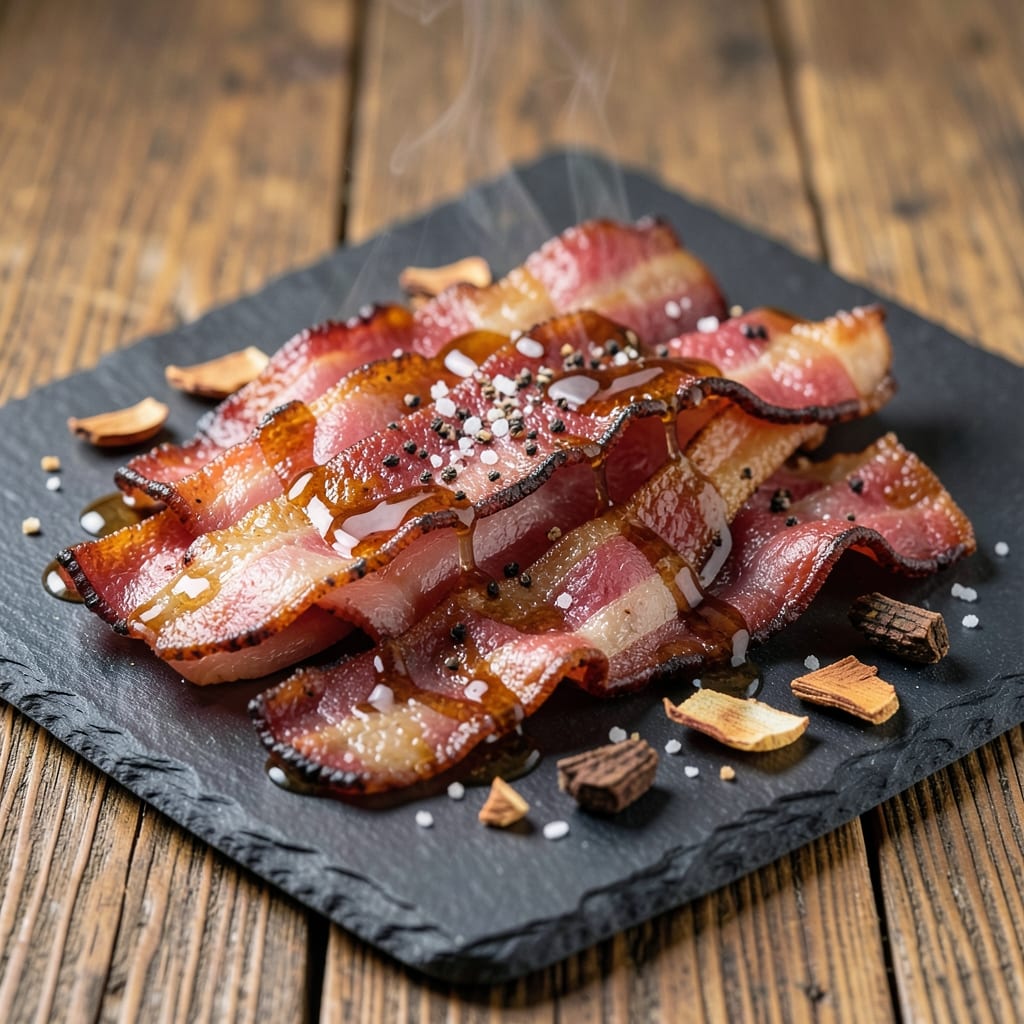
This Big Green Egg bacon recipe transforms ordinary breakfast pork into smoky, campfire-perfect strips with just 20 minutes of hands-off cooking. The secret lies in the Egg’s ability to maintain steady 200–250°F temperatures, rendering fat slowly while infusing that unmistakable wood-fired flavor. No more soggy, greasy bacon—just crisp edges and tender meat that melts in your mouth, all achieved without a single pan in sight.
The process is simpler than it sounds: start by arranging bacon strips on the Egg’s grate, then close the lid and let the magic happen. The low-and-slow method ensures fat renders evenly, creating a rich, caramelized crust while keeping the meat juicy. For extra crispiness, finish with a quick sear over direct heat—this two-stage approach guarantees restaurant-quality results every time.
What you’ll end up with is bacon that tastes like it came straight from a campfire feast—smoky, crisp, and packed with flavor. The Big Green Egg’s even heat distribution means no burnt edges or uneven cooking, making this the perfect way to elevate a simple breakfast. Serve with buttery biscuits, fresh fruit, or a stack of fluffy pancakes for a meal that feels like a vacation.
This method also works beautifully for batch cooking—double the recipe and store leftovers in the fridge for up to a week. The smoky flavor only intensifies as the bacon sits, making it ideal for meal prep or gifting. Whether you’re grilling for a crowd or treating yourself to a weekend indulgence, this Big Green Egg bacon recipe delivers results that’ll have everyone asking for seconds.
Ingredients for big green egg bacon
Perfectly balanced ingredients for campfire bacon that rivals restaurant quality in your Big Green Egg.
| Ingredient | Amount | Notes |
|---|---|---|
| Thick-Cut Bacon 🥓 | 1 lb | Thick-cut preferred for even cooking |
| Apple Wood Chips 🌳 | ½ cup | For smoky flavor infusion |
| Hickory Wood Chunks 🌳 | ¼ cup | Complementary wood pairing |
| Coarse Kosher Salt 🧂 | ½ tsp | Diamond Crystal preferred |
| Freshly Ground Black Pepper 🌶️ | ¼ tsp | For finishing crisp |
| Maple Syrup 🍁 | 1 tbsp | Optional glaze for extra richness |
| Butter 🧈 | 2 tbsp | Unsalted, for finishing |
| Heavy Cream 🥛 | ¼ cup | Optional for basting |
| Baking Sheet 🍳 | 1 whole | For crisping finish |
The bacon cut matters most—thick-cut slices (about 1/4-inch) render fat slowly for that ideal smoky texture without drying out. Costco and Whole Foods carry excellent options, or ask your butcher for thick-cut pork belly slices if you want extra marbling. Wood choice is critical: apple wood adds sweetness while hickory provides depth. I always buy Lumpkin's wood chips—they’re food-grade and consistent. For extra smokiness, soak the wood chips in water for 30 minutes before using, but don’t overdo it or they’ll burn.
No apple wood? Cherry or pecan work beautifully as substitutes—they pair well with bacon’s richness. Running short on time? Skip the wood chips entirely and rely on the Egg’s natural char flavor, though the smoky depth will be less pronounced. The maple syrup glaze is optional but recommended—it caramelizes beautifully during the final crisping stage. For extra crispiness, use a wire cooling rack instead of a baking sheet during the last minute of cooking. The heavy cream is purely optional but adds a luxurious finish if you’re basting the bacon during the final sear.
Store cooked bacon in an airtight container lined with paper towels to absorb excess fat—keeps for 5 days in the fridge. For longer storage, vacuum-seal portions and freeze for up to 3 months. The wood chips can be reused up to 3 times if stored in a dry container away from heat. Prep ahead by cutting bacon into strips the night before—it’ll relax and cook more evenly. The Egg’s residual heat after cooking makes this bacon even better the next day, so always make extra.
Why You'll Love This Recipe
- Big Green Egg Magic: The smoky apple-hickory combo transforms thick-cut bacon into something next-level—crispy edges, juicy center, and that campfire aroma lingering on your plate.
- One-Pan, Zero Stress: Honestly, this is the kind of recipe where you can set up the Big Green Egg, toss in the bacon and wood chips, then walk away. No flipping, no fuss—just perfect bacon every time.
- Tailgate or Tuesday: Between us, this bacon is just as good cold in a sandwich as it is fresh off the grill. Pack it for game day, serve it at brunch, or keep a batch in the fridge for lazy mornings.
- Budget-Friendly Luxury: Thick-cut bacon feels fancy, but the Big Green Egg’s even heat means you don’t waste a single bite. Plus, a few wood chips stretch the flavor like crazy—no need for pricey rubs or marinades.
Step-by-step instructions for smoky campfire bacon
Master this Big Green Egg technique for bacon with a perfect wood-smoked bark and tender interior.
Prepare the Wood and Season the Bacon
Soak the 0.5 cup apple wood chips and 0.25 cup hickory wood chunks in water for 30 minutes—this prevents them from burning and ensures steady smoke. While they soak, lay the 1 lb thick-cut bacon on the whole baking sheet and pat it completely dry with paper towels. This step is critical for crispy edges; any moisture will steam instead of crisp.
Season each piece generously with 0.5 tsp coarse kosher salt and 0.25 tsp freshly ground black pepper, pressing the seasoning into the meat so it adheres. Let the bacon sit at room temperature for 15 minutes before cooking—this allows for even heat distribution and prevents cold spots that can lead to uneven cooking.
Set Up the Big Green Egg for Smoking
Arrange the soaked wood chips and chunks in the fire ring of your Big Green Egg, covering the bottom completely. Light them using a chimney starter or long matches, then close the lid and let them burn until you see clean, blue smoke (about 10-15 minutes). This indicates the wood is ready to infuse flavor without overpowering the bacon.
While the wood smolders, preheat the cooking grate by placing it directly over the fire ring for 5 minutes. This step ensures your bacon makes immediate contact with a hot surface, which is key to developing that coveted smoky bark. Once the grate is hot, position it about 2 inches above the fire—this gives you enough heat for crisping without burning.
Smoke and Crisp the Bacon
Place the seasoned bacon on the hot grate in a single layer, leaving ½-inch gaps between pieces for even smoke circulation. Close the lid and smoke for 12-15 minutes, turning the bacon once at the 8-minute mark to ensure both sides develop color. You’ll know it’s ready when the edges are deep mahogany brown and the bacon releases easily from the grate.
Here’s where the magic happens: After the initial smoke, move the bacon to the top rack of the Egg (if available) or transfer it to a clean section of the grate for the final 3-5 minutes of direct heat. This step caramelizes the sugars and creates that signature crispy texture. Watch closely—you want golden-brown edges, not burnt spots.
Finish with Maple and Cream (Optional)
Once the bacon reaches your desired crispiness, transfer it to the whole baking sheet and tent loosely with foil. Drizzle with 1 tbsp maple syrup and let it sit for 2 minutes—this adds a subtle sweetness that balances the smokiness. For extra richness, brush the bacon with a mixture of 2 tbsp softened butter and 0.25 cup heavy cream, then return it to the Egg for 1 minute to melt and glaze.
Serve immediately while the bacon is still sizzling. The wood smoke should linger in every bite, with a perfect contrast of crispy exterior and tender, smoky interior. This method transforms ordinary bacon into a showstopping campfire centerpiece—worth every minute of patience.
Pro Tips For Making Big Green Egg Bacon
- Preheat Longer Than You Think: The Big Green Egg’s cast iron takes forever to stabilize—don’t rush it. Fire up the egg for 15 minutes with the wood chips already in the smoker pan. That extra heat ensures your thick-cut bacon gets a deep, even sear instead of steaming like sad breakfast meat.
- Soak Wood Chips First: Dry wood chips don’t smoke—they burn. Toss your apple wood chips in water for 30 minutes before adding them to the smoker pan. This keeps the smoke steady and sweet, not bitter. (Pro move: Use a mesh bag so they drain easily.)
- Don’t Stack the Bacon: Piling bacon on top of bacon means the bottom pieces turn into greasy logs while the top stays raw. Lay slices in a single layer, leaving a little space between them. If you’re cooking a lot, work in batches—no one wants soggy bacon.
- Crust It After Smoking: Once the bacon hits 145°F internally, transfer it to a hot skillet for 30 seconds per side. The residual heat in the cast iron will render the fat and give you that crackly, restaurant-quality finish. (Yes, even if it’s already “done.”)
Common mistakes when making this recipe
Overcrowding the Grate
Packing bacon too tightly on the grate traps steam and prevents proper smoke circulation, leading to uneven cooking and soggy edges. I’ve learned the hard way—leave ½-inch gaps between strips for optimal airflow. Overcrowding also makes it difficult to flip bacon evenly, which can result in burnt spots on one side and raw meat on the other. 🔥
Skipping the Wood Soak
Dry wood chips burn too quickly, producing bitter smoke instead of the sweet, clean flavor you want. Always soak 0.5 cup apple wood chips and 0.25 cup hickory chunks in water for 30 minutes before using. This ensures steady smoke without flare-ups that can overpower the bacon’s natural taste.
Uneven Heat Distribution
Placing bacon directly over hot coals creates hot spots that burn the edges before the center cooks through. Instead, position the grate 2 inches above the fire ring and maintain a consistent 200–250°F temperature. Use a thermometer probe to monitor heat—fluctuations are the #1 cause of uneven results.
Rushing the Crisping Stage
Skipping the final 3-5 minutes of direct heat leaves bacon soft and unappetizing. This is where the Maillard reaction creates that irresistible crispy bark. Watch closely—golden edges form quickly, and burnt spots appear just as fast. A wire cooling rack works best for even crisping.
Ignoring Room Temperature Prep
Cold bacon takes longer to cook and can develop cold spots that prevent even rendering. Always let bacon sit at room temperature for 15 minutes before smoking. This small step ensures consistent doneness and prevents uneven texture throughout each piece.
Forgetting to Monitor Smoke Color
White smoke means the wood isn’t hot enough, while black smoke indicates burning. You want clean, blue smoke—this signals proper combustion and optimal flavor infusion. If smoke turns dark, open the Egg’s vents slightly to reduce intensity and let the wood recover.
Nutrition facts
Frequently asked questions
Can I use regular bacon instead of thick-cut?
Thick-cut bacon is ideal for this recipe because it renders fat slowly and develops that perfect smoky bark. Thin bacon will cook too quickly and may not achieve the same texture. If you must use thin bacon, reduce the cooking time to 8-10 minutes total and watch closely for crisping. The flavor will still be delicious, but the texture will be less satisfying.
What if I don’t have apple or hickory wood?
No problem! Cherry, pecan, or even fruitwoods like peach work beautifully as substitutes. Avoid pine or cedar—they can taste bitter. If you’re in a pinch, skip the wood chips entirely and rely on the Egg’s natural char flavor, though the smoky depth will be less pronounced. The bacon will still be delicious, just with a more traditional smoker taste.
How do I store leftover Big Green Egg bacon?
Store cooked bacon in an airtight container lined with paper towels to absorb excess fat—it’ll keep for 5 days in the fridge. For longer storage, vacuum-seal portions and freeze for up to 3 months. The wood-smoked flavor actually intensifies over time, making it perfect for meal prep or gifting. Just reheat in the Egg for 2-3 minutes to restore crispiness.
Can I make this bacon recipe on a different grill?
The Big Green Egg’s even heat distribution makes it ideal, but you can adapt this method to other grills or smokers. For charcoal grills, maintain a 200–250°F temperature using indirect heat and add wood chips to the coals. Gas grills work too—use the smoker setting and add wood chips to a smoker box. The key is consistent low heat for the initial smoke, then direct heat for crisping.
Why does my bacon turn out greasy?
Greasy bacon usually means the fat didn’t render properly. The Big Green Egg’s low-and-slow method should handle this, but if your bacon is still oily, try these fixes: Use thicker cuts, cook at a slightly higher temperature (225°F), or drain on a wire rack for 5 minutes after cooking. Also, avoid overcrowding the grate—leave ½-inch gaps between strips for even airflow.