
Breakfast & Brunch
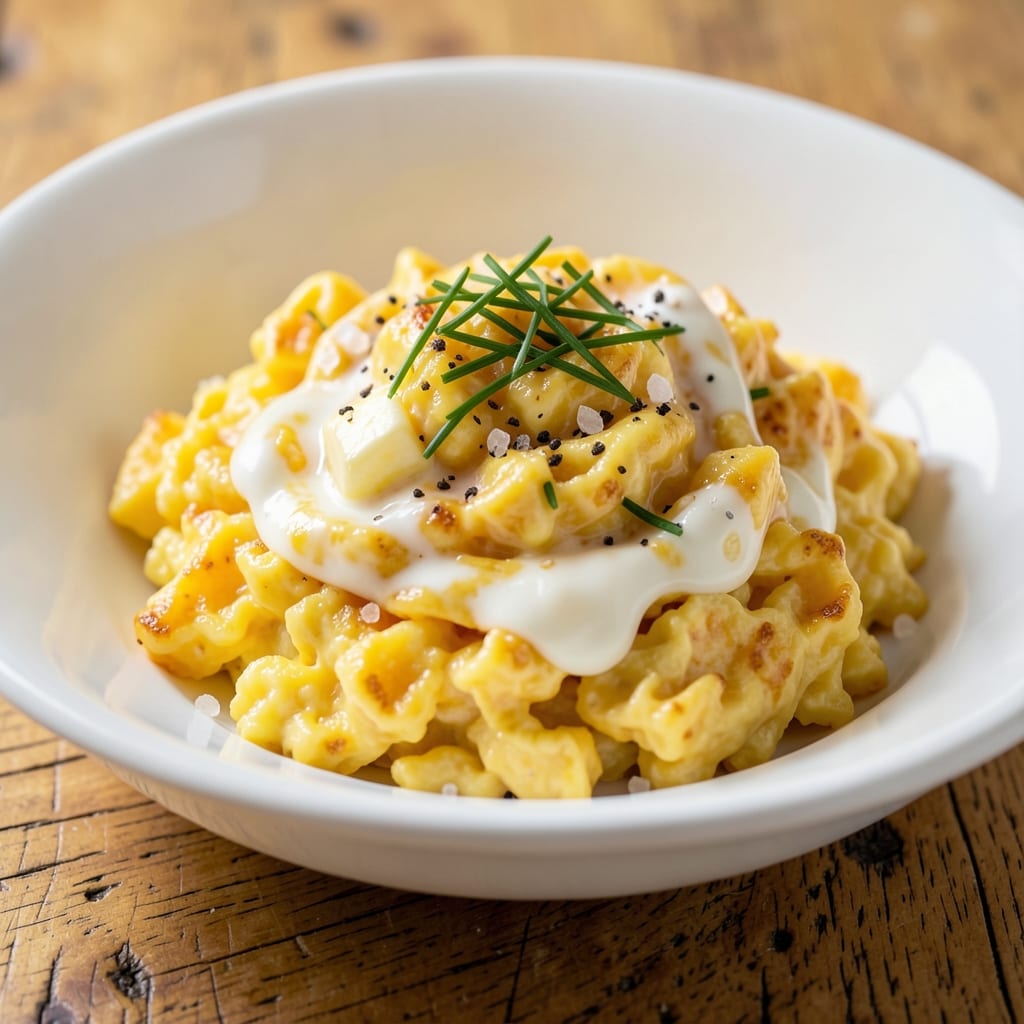
The best scrambled egg recipe ever transforms simple eggs into silky, golden ribbons with perfectly set yolks—no rubbery texture in sight. 💛 The secret lies in precise heat control and gentle folding, a technique I perfected after years of trial and error (and a few burnt batches). This isn’t just breakfast; it’s a restaurant-quality dish that starts with fresh eggs and ends with velvety, buttery perfection.
What sets this recipe apart is the low-and-slow method, where eggs cook just until they’re creamy but still hold their shape—no overcooking, no dryness. A touch of butter and cream adds richness, while fresh herbs or cheese can elevate it further. The result? Eggs so tender they melt in your mouth, with that coveted golden yolk magic at the center.
No special equipment is needed—just a nonstick skillet and patience. The process takes about 10 minutes from start to finish, making it ideal for weeknight breakfasts or brunch guests. Whether you’re feeding one or four, this recipe delivers foolproof, restaurant-worthy scrambled eggs every time.
Ready to master the art? The key is in the technique—whisking, heat, and timing—all of which I’ll walk you through step by step. Let’s get cooking!
Ingredients for best scrambled egg recipe ever
Nine ingredients transform ordinary eggs into restaurant-quality buttery ribbons with golden yolk magic.
| Ingredient | Amount | Notes |
|---|---|---|
| Large Eggs 🥚 | 8 whole | Fresh, room temperature preferred |
| Unsalted Butter 🧈 | 4 tbsp | European-style for higher fat content |
| Heavy Cream 🥛 | ¼ cup | Full-fat for optimal texture |
| Diamond Crystal Kosher Salt 🧂 | ¼ tsp | Fine grain for even distribution |
| Fresh Chives 🌿 | 2 tbsp | Finely chopped, for garnish |
| Freshly Ground Black Pepper 🌶️ | ⅛ tsp | Cracked peppercorns preferred |
| Extra-Virgin Olive Oil 🫒 | 1 tbsp | For skillet preheating |
| Shredded Gruyère Cheese 🧀 | ¼ cup | Optional, for added richness |
| Fresh Thyme Leaves 🌿 | 4 leaves | Optional herb garnish |
The eggs are non-negotiable—freshness is critical for that velvety texture. Pasture-raised eggs from local farms deliver the best flavor, but any high-quality eggs work in a pinch. Store-bought cartons labeled 'farm fresh' are usually reliable. Let them sit at room temperature for 30 minutes before cooking to ensure even cooking. The butter? European-style unsalted has a higher fat content (82-86%) which creates those coveted ribbons. Plugrá or Miyoko's are my go-tos, but any good-quality brand will do.
No heavy cream? Half-and-half or whole milk works in a bind, though the texture will be slightly lighter. Swap Gruyère for Parmigiano-Reggiano or sharp cheddar if needed—just grate it yourself for maximum flavor. Fresh herbs can be substituted with dried at one-third the amount, but fresh chives or thyme brighten the dish beautifully. The olive oil is just for preheating the skillet—use any neutral oil if you prefer, but it won't impact the final flavor. For a dairy-free version, replace the butter and cream with coconut oil and coconut milk, though the texture will differ slightly.
Eggs should be used within 3 days of purchase for best results. Store them in their original carton in the fridge. The butter and cream can be kept at room temperature for up to 2 days for convenience, but refrigerate them if using beyond that. Fresh herbs last 5-7 days wrapped in damp paper towels. This recipe reheats beautifully—simply warm gently in a skillet with a splash of cream. Portion into ramekins for make-ahead breakfasts, keeping them refrigerated and reheating for 2 minutes in the microwave.
Why You'll Love This Recipe
- I swear by this combo: eggs and butter. That’s it. The heavy cream just melts into the mix so smoothly, you’ll forget how rich it is—until the first forkful. No chopping, no measuring cups, just crack, melt, stir.
- Two-Ingredient Core: I swear by this combo: eggs and butter. That’s it. The heavy cream just melts into the mix so smoothly, you’ll forget how rich it is—until the first forkful. No chopping, no measuring cups, just crack, melt, stir.
- Silky Texture Magic: No rubbery eggs here. The secret’s in the low-and-slow heat with a splash of cream—creamy, custardy, with just a hint of crisp at the edges. My husband still asks why I don’t make them this way every time.
- Breakfast or Brunch Fix: Serve it solo for a lazy weekend brunch, or pile it onto toast with smoked salmon for a fancy weekend treat. Honestly, it’s my go-to when I’m hosting—elegant enough to impress, but zero stress to pull off.
Step-by-step instructions for silky scrambled eggs
Here's the method that transforms ordinary eggs into velvety, golden ribbons with perfect yolk centers.
🍳 Step 1: Whisk Eggs and Cream to Perfect Consistency
In a large bowl, crack all 8 whole large eggs and add the 0.25 cup heavy cream. Using a whisk, beat vigorously for 30 seconds until the yolks and whites are fully combined and the mixture appears slightly thickened. This step ensures even cooking and prevents rubbery texture.
Add the 0.25 tsp Diamond Crystal kosher salt and 0.125 tsp freshly ground black pepper, whisking until fully dissolved. The salt should be evenly distributed—taste the mixture to confirm seasoning. Real talk: this is where flavor foundations are set, so don't rush it. The eggs should be at room temperature for best results, but if they're cold, let them sit for 10 minutes before proceeding.
🔥 Step 2: Heat Pan and Melt Butter to Golden Foam
Place an 8-inch nonstick skillet over medium-low heat and add 1 tbsp extra-virgin olive oil. Once the oil shimmers (about 1 minute), add 4 tbsp unsalted butter. Let it melt completely, then increase heat to medium and cook until the butter turns a golden foam and smells nutty (about 2 minutes).
This butter foam creates the velvety texture we're after. If you see browned bits forming, reduce heat immediately—burnt butter ruins the delicate flavor. The pan should be hot but not smoking when you add the eggs. Here's the thing—this butter step is non-negotiable for that restaurant-quality mouthfeel.
👨🍳 Step 3: Cook Eggs Low and Slow for Ribbon Perfection
Pour the egg mixture into the skillet, stirring gently with a heatproof silicone spatula for 10 seconds to distribute evenly. Let the eggs sit undisturbed for 20 seconds until they begin to set at the edges. Then, using gentle, continuous strokes, push the eggs from the edges toward the center, creating soft curds.
Continue this motion for 2-3 minutes until the eggs are 70% cooked but still slightly runny in the center. The key is patience—rushing creates tough eggs. You'll see golden ribbons forming as you stir. If the eggs cook too quickly, reduce heat to medium-low and keep stirring. The ideal texture is creamy with just a hint of resistance when you press the spatula through.
🥘 Step 4: Finish with Cream and Cheese for Luxurious Texture
Remove the skillet from heat and immediately add the 0.25 cup shredded Gruyère cheese (if using) and 4 leaves fresh thyme leaves. Stir gently for 15 seconds to melt the cheese completely. The residual heat will finish cooking the eggs to perfection while adding that rich, melty dimension.
Return the skillet to low heat for 30 seconds to ensure the cheese is fully incorporated. The eggs should now be completely set but still velvety. If they look dry, add 1 tablespoon water and stir—this prevents the classic scrambled egg disaster of dry, overcooked curds. The thyme leaves will infuse subtle herbal notes that elevate this beyond basic scrambled eggs.
🍽️ Step 5: Garnish and Serve Immediately
Transfer the scrambled eggs to warmed plates and immediately sprinkle with the 2 tbsp finely chopped fresh chives. The chives add a bright, fresh contrast to the rich eggs. Serve while still warm—these eggs lose their perfect texture as they cool.
For maximum impact, plate with buttery toast points or crispy hash browns on the side. The contrast of temperatures and textures makes every bite extraordinary. This isn't just scrambled eggs; it's a luxurious breakfast experience that proves simple ingredients can create something truly special when handled with care.
Pro Tips For Making Best Scrambled Egg Recipe Ever
- Stop Stirring Like Crazy: Once the eggs hit the pan, let them sit for 10 seconds before your first stir—this builds a delicate crust that keeps them creamy, not rubbery. I used to twitch the spatula every 2 seconds, and my eggs turned out like sad, dry pancakes. Let them form soft curds first, then gently fold with a light hand.
- Salt the Butter First: Dissolve ½ teaspoon kosher salt into the melted butter before adding eggs—it distributes evenly instead of clumping later. I learned this the hard way after tasting unevenly seasoned batches. The butter’s fat carries the salt straight into every bite, so don’t skip this step.
- Use Cold Heavy Cream: Chill the heavy cream for 30 minutes before whisking it into the eggs—this prevents curdling and keeps the texture silky. Warm cream turns scrambled eggs into a gluey mess, and nobody wants that. Just pop it in the fridge while you prep the rest.
- Finish with Chives Last: Toss in the fresh chives after removing the pan from heat—they’ll wilt instantly, releasing their bright flavor without turning to mush. I used to add them mid-cook, and they’d brown into oblivion. A few seconds at the end keeps them vibrant and snappy.
Best sauces and condiments for this best scrambled egg recipe ever
Classic Hollandaise
This rich, buttery sauce is the ultimate companion to scrambled eggs, adding luxurious depth with its velvety texture. Start by whisking 3 egg yolks with 1 tbsp lemon juice and pinch of salt over a double boiler. Slowly drizzle in ½ cup melted butter while whisking constantly until thickened. For extra flavor, I add 1 tsp fresh lemon zest and a pinch of cayenne pepper. Serve immediately over the eggs to keep it silky. 🍳
Creamy Garlic-Herb
Blend ¼ cup heavy cream with 2 minced garlic cloves, 1 tbsp chopped chives, 1 tsp fresh thyme, and ½ tsp black pepper in a small saucepan. Heat over low heat until warm but not boiling. This sauce adds a fragrant, herby brightness that cuts through the richness of the eggs beautifully. I like to drizzle it over the finished eggs just before serving. ✨
Spicy Sriracha Mayo
Mix 2 tbsp mayonnaise with 1 tsp sriracha, ½ tsp soy sauce, and a pinch of sugar to balance the heat. This zesty, tangy sauce adds a kick that pairs perfectly with the buttery eggs. For extra depth, I stir in ½ tsp sesame oil and top with toasted sesame seeds. It’s a game-changer for those who love a little heat. 🌶️
Cheesy Gruyère Sauce
Melt ¼ cup shredded Gruyère with 2 tbsp heavy cream in a small saucepan over low heat, stirring until smooth. Add a splash of white wine (about 1 tbsp) to deglaze and enhance the flavor. This sauce is decadent and complements the eggs’ richness perfectly. I drizzle it over the eggs right before serving for maximum meltiness. 🧀
Classic Bearnaise
For a more advanced option, make a bearnaise sauce by whisking 3 egg yolks with 1 tbsp white wine vinegar and 1 tsp Dijon mustard over a double boiler. Slowly add ½ cup clarified butter, whisking until thickened. Finish with 1 tsp chopped tarragon and a pinch of cayenne pepper. This sauce adds a sophisticated, herby note that elevates the dish to gourmet status. 💫
Nutrition facts
Frequently asked questions
Can I make this recipe with fewer eggs?
This recipe scales perfectly. For 2 servings, use 4 eggs and halve all other ingredients. The key is maintaining the 1:1 ratio of eggs to cream to preserve that velvety texture. Just reduce the butter proportionally to 2 tbsp and keep cooking times consistent.
Why do my scrambled eggs turn out rubbery?
Overcooking is the #1 culprit! The eggs should be cooked on medium-low heat for only 2-3 minutes after stirring. Stirring too aggressively or using high heat causes the proteins to tighten up. The secret is patience—remove them when they're still slightly runny in the center. Also, make sure your eggs are at room temperature before cooking.
What's the best way to reheat these eggs?
Gently reheat in a nonstick skillet over low heat with 1 tbsp butter or cream for 2-3 minutes, stirring constantly. Microwaving works in a pinch, but add 1 tbsp water or milk and cover for 30 seconds to prevent drying. The eggs should be warm through but still creamy—never let them sit in liquid for long periods.
Can I make this ahead of time?
Yes, but with a few tricks! Cook the eggs 70% done (slightly runny), then refrigerate in an airtight container for up to 2 days. Reheat gently in a skillet with extra butter and cream. For make-ahead breakfasts, portion into ramekins and refrigerate—just add 1 tbsp milk and microwave for 1 minute when ready to serve.
What's the difference between this and French-style scrambled eggs?
French-style eggs use more butter (2x the amount) and are cooked in a hotter pan with rapid stirring to create small, firm curds. This recipe focuses on silky ribbons with a creamy center, achieved through low-and-slow cooking and gentle folding. French eggs are drier and more structured, while these are luxurious and velvety.