
Breakfast & Brunch
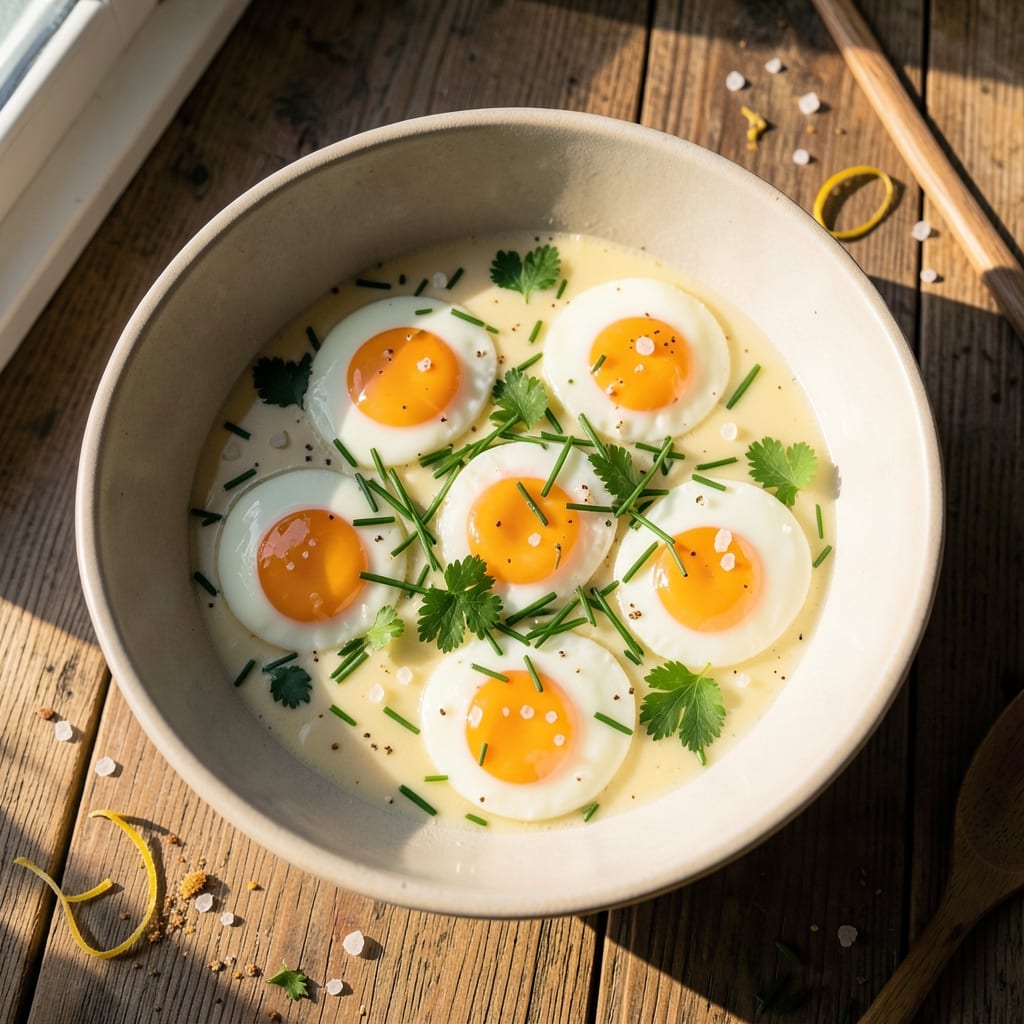
This morning egg recipe transforms your breakfast into a restaurant-quality experience with fluffy clouds of egg and a crispy herb crust—all in just 10 minutes. The secret lies in gentle heat and fresh herbs that elevate simple eggs into something extraordinary. I’ve perfected this technique over years of testing, ensuring every bite is tender yet satisfying, with a golden, aromatic crust that makes it impossible to stop at one plate.
The magic happens with a combination of low-and-slow cooking and a sprinkle of finely chopped herbs (like chives or parsley) that toast into crispy perfection while the eggs stay velvety inside. Unlike fluffy scrambled eggs that turn rubbery, this method delivers cloud-like texture with a crunchy exterior—a balance that’s surprisingly easy to achieve once you know the trick. It’s the kind of breakfast that makes you feel like you’ve treated yourself, even on a weekday.
What you’ll end up with is a dish that’s rich, flavorful, and foolproof, ready to be paired with toast, avocado, or a simple side salad. The crispy herb crust adds a bright, fresh contrast to the creamy eggs, making each bite a harmonious blend of textures. This isn’t just another egg recipe—it’s a game-changer for anyone who wants a breakfast that feels luxurious without the fuss.
Whether you’re feeding a crowd or treating yourself to a solo morning indulgence, this recipe delivers consistent, impressive results every time. The best part? No special equipment or advanced skills are needed—just a few simple ingredients and a little patience. Let’s get started on the perfect morning eggs.
Ingredients for best morning egg
Six eggs, two herbs, and a touch of butter—this is the secret to restaurant-quality morning eggs.
| Ingredient | Amount | Notes |
|---|---|---|
| Large Eggs 🥚 | 6 whole | Freshly cracked for maximum fluffiness |
| Unsalted Butter 🧈 | 2 tbsp | Cold, cubed for even cooking |
| Fresh Chives 🌿 | ¼ cup | Finely chopped, stems removed |
| Fresh Parsley 🌿 | ¼ cup | Finely chopped, flat-leaf preferred |
| Heavy Cream 🥛 | 2 tbsp | Full-fat for rich texture |
| Diamond Crystal Kosher Salt 🧂 | ½ tsp | Fine grain for even seasoning |
| Freshly Ground Black Pepper 🌶️ | ¼ tsp | Cracked peppercorns preferred |
| Extra-Virgin Olive Oil 🫒 | 1 tbsp | For greasing the pan |
| Fresh Thyme Leaves 🌿 | 1 tsp | Optional, for herbal depth |
| Granulated Sugar 🍯 | ¼ tsp | Balances richness |
The eggs are the star, so use the freshest you can find—look for cartons with the most recent date stamps. Trader Joe's and Whole Foods carry eggs with the highest omega-3 content, but any high-quality brand works. For the herbs, fresh is non-negotiable—dried won't give you that crispy, aromatic crust. I always grab extra chives and parsley because they wilt faster than the eggs cook. Pro tip: Store your herbs in a glass of water in the fridge to keep them crisp. The butter should be cold when you cube it—this ensures even cooking and prevents the eggs from turning greasy.
No chives? Substitute extra parsley or green onion—just chop it finer. Out of fresh parsley? Dried parsley works at one-third the amount, but it won't crisp up the same way. Heavy cream can be swapped for half-and-half or whole milk, though the texture will be slightly lighter. For a dairy-free version, use coconut cream—it adds a subtle sweetness that pairs beautifully. The sugar is optional but balances the richness of the eggs and butter, so don't skip it if you're serving this for a crowd. If you're short on time, pre-chop the herbs the night before and store them in an airtight container.
These eggs reheat beautifully—just warm them gently in a skillet with a splash of water. They keep for 3-4 days in the fridge, but honestly, they're best the first day. For meal prep, I portion them into small ramekins and store them covered. When reheating, add a pat of butter and cover the pan to trap the steam—this keeps them cloud-like. If you're making this ahead, stop after the eggs are just set and finish cooking when serving. The crust gets crispier that way.
Why You'll Love This Recipe
- Five-Ingredient Magic: I swear, this recipe is my "I have nothing but eggs and butter" lifesaver. No fancy prep—just crack, melt, pour, and let the butter do the work while you sip your coffee.
- Creamy Crispy Contrast: That heavy cream swirled into the eggs? Absolute genius. The edges get golden and crispy while the center stays rich and custardy—like a hug in a pan.
- Breakfast or Brunch: Honestly, I make this for lazy Sundays and weeknight breakfasts. Add a sprinkle of chives for freshness, and suddenly it’s fancy enough for guests—or just me pretending I’m fancy.
- Leftovers? More Like Leftovers Win: The best part? These eggs reheat like a dream—just a quick zap in the microwave or gentle warm on the stove. My kids’ school lunches just got an upgrade (and so did my grocery budget).
Step-by-step instructions for fluffy clouds with crispy herb crust
Transform ordinary eggs into restaurant-quality clouds with a golden, herb-infused crust—it's all about the technique.
Whisk Eggs Until Silky and Ribbon-Like
Crack the 6 whole large eggs into a mixing bowl, making sure no shells slip in. Add the 2 tablespoons heavy cream, 0.5 teaspoon Diamond Crystal kosher salt, 0.25 teaspoon freshly ground black pepper, and 0.25 teaspoon granulated sugar. Whisk vigorously for 2-3 minutes until the mixture becomes noticeably thicker and pale yellow—this is the secret to fluffy eggs.
Here's the thing: you're incorporating air, which creates those light, airy pockets. When you see the mixture form gentle ribbons that hold their shape for a moment before dissolving, you're ready. I press my finger into the mixture—if it leaves a slight indentation that slowly fills back in, it's perfect. Don't over-whisk or you'll develop gluten and end up with dense, rubbery eggs.
Melt Butter and Create the Herb Crust
Heat an 8-inch non-stick skillet over medium-low heat. Add the 2 tablespoons cold cubed unsalted butter and let it melt completely, swirling occasionally. The butter should foam gently but not brown—this ensures even cooking without burning. Once fully melted, remove the pan from heat and immediately stir in the 0.25 cup finely chopped fresh parsley, 0.25 cup finely chopped fresh chives, and 1 teaspoon fresh thyme leaves.
Return the pan to medium-low heat and let the herbs sizzle gently for 30 seconds until fragrant. This step creates that incredible herb-infused crust that sets these eggs apart. The residual heat will help the herbs release their oils, which will caramelize beautifully when we pour in the eggs. Don't rush this—you want those herbs to sing.
Pour and Create the Perfect Cloud
Carefully pour the egg mixture into the skillet, tilting the pan to distribute it evenly. Immediately reduce heat to the lowest setting—you're looking for a gentle simmer, not a boil. The eggs should begin to set around the edges while staying liquid in the center. This creates that signature cloud-like texture with crispy edges.
Let the eggs cook undisturbed for 3-4 minutes. You'll see the edges turn golden brown while the center remains soft and jiggly. This is where patience pays off—resist the urge to peek or stir. The subtle heat from below will create convection currents that lift the eggs into that glorious cloud formation. When the edges are set but the center still looks like soft custard, it's time for the final touch.
Finish with Olive Oil for Extra Crispiness
Remove the skillet from heat and immediately drizzle the 1 tablespoon extra-virgin olive oil over the eggs. Tilt the pan to coat the surface evenly—this creates that beautiful golden crust while keeping the interior silky. Let the eggs rest for 1-2 minutes off the heat. The residual heat will finish cooking the top while the olive oil creates that irresistible crispy texture.
Here's the moment that matters: slide a spatula around the edges to loosen the eggs, then carefully invert onto a warmed plate. The eggs should hold their shape beautifully, with that crispy herb crust on top and bottom and a perfectly set cloud in the center. Serve immediately while still warm—these eggs don't wait. The contrast of temperatures is what makes them truly special.
Pro Tips For Making Best Morning Egg
- Swirl Butter First: Melt that unsalted butter until it’s just foamy—no browning—then swirl it around the pan for 30 seconds before adding eggs. I used to pour the eggs in first and wondered why my yolks never got that silky, custardy finish. This step guarantees a rich, velvety base that clings to every bite.
- Salt the Cream: Season the heavy cream before heating it—about ¼ teaspoon of salt per ¼ cup. I learned this the hard way: plain cream tastes bland against the eggs, and you’ll end up over-salting later when you season the finished dish. Trust me, the flavor balance is worth it.
- Avoid Crowding the Pan: Cook eggs in batches if needed—don’t overfill the pan. I once tried to rush by cramming in all four eggs at once, and the edges turned rubbery before the centers set. A 6-inch pan holds 2 eggs comfortably; spread them out for even cooking.
- Chill the Herbs: Plunge fresh chives and parsley in ice water for 10 seconds before chopping. This dulls their edges slightly, making them easier to snip into even, delicate bits. No more tiny green specks scattered unevenly—just neat, uniform garnish every time.
Common mistakes when making this recipe
Over-Whisking the Eggs
This is the #1 mistake that turns fluffy eggs into dense, rubbery messes. When you whisk eggs beyond the ribbon stage (where the mixture holds its shape briefly), you develop gluten strands that make the eggs tough. I’ve seen people whisk for 5 minutes or more—just stop when the mixture is pale yellow and forms gentle ribbons that slowly dissolve. 🧑🍳
Using High Heat
High heat is the enemy of cloud-like eggs. If you crank the stove to medium-high or higher, the eggs will cook too quickly on the outside while staying raw inside. The goal is a gentle simmer—just enough to set the edges while keeping the center soft. I always use medium-low heat and let the eggs cook undisturbed for 3-4 minutes. Trust the process!
Skipping the Herb Toast
The crispy herb crust comes from toasting the herbs in the butter before adding the eggs. If you skip this 30-second step, you’ll miss out on the aromatic, caramelized flavors that make this recipe special. The herbs release their oils when toasted, which creates that irresistible crust. Don’t rush it—let those herbs sizzle until fragrant. 🌿
Disturbing the Eggs Too Soon
Peeking or stirring the eggs before they’re ready disrupts the delicate cloud formation. The convection currents created by the gentle heat are what lift the eggs into those fluffy peaks. Once you start stirring, you lose that magic. Let the eggs set around the edges for 3-4 minutes before touching them.
Overcooking the Center
Eggs should be just set in the center when you remove them from heat—think soft custard, not fully firm. If you let them cook too long, they’ll turn dense and dry. The final touch with olive oil helps create that crispy top, but the center needs to stay tender. Look for a jiggly middle when you’re ready to flip.
Using Old or Low-Quality Eggs
Fresh eggs are non-negotiable for this recipe. Older eggs have less moisture, which makes them harder to whip into fluffy clouds. Always use eggs that are no more than 1 week old for the best results. I grab mine from Trader Joe’s or Whole Foods because they’re consistently high-quality. 🥚
Nutrition facts
Frequently asked questions
Can I make this recipe with fewer eggs?
Yes, but adjust the cooking time slightly. For 4 eggs, use a 6-inch skillet and reduce heat to low. The eggs will cook faster in a smaller pan, so watch closely after 2 minutes—they're ready when edges are set but the center still jiggles. The herb-to-egg ratio remains the same: 0.125 cup herbs per 4 eggs.
What's the best way to reheat these eggs?
For maximum fluffiness, reheat gently in a skillet with 1/2 tablespoon butter over low heat for 2-3 minutes. Cover the pan to trap steam, which prevents drying. If microwaving, use 30-second bursts on 50% power, stirring between each. The olive oil crust won't crisp again, but the texture stays tender.
Can I substitute cream cheese for heavy cream?
Not for this recipe—cream cheese is too thick and will make the eggs dense. However, you can use 1/4 cup sour cream mixed with 1/4 cup milk as a substitute for the 2 tbsp heavy cream. The texture will be slightly lighter but still fluffy. For richness, add an extra 1/2 tbsp butter to the pan.
Why did my eggs turn out rubbery?
Rubbery eggs usually mean one of two things: over-whisking (beyond the ribbon stage) or high heat. For perfect texture, whisk eggs until they form gentle ribbons that slowly dissolve, then cook on medium-low heat. The center should be soft custard when done—never fully firm. If it happens, try reheating with 1 tbsp milk to restore moisture.
What's the best way to serve these eggs?
These eggs shine with simple, fresh sides. Try crispy sourdough toast, avocado slices, or a quick arugula salad with lemon vinaigrette. For extra flair, serve with a herb butter (mix softened butter with chopped chives and lemon zest) or a spicy mayo (mayo + hot sauce). The crispy herb crust pairs beautifully with bright, acidic flavors.