
Breakfast & Brunch
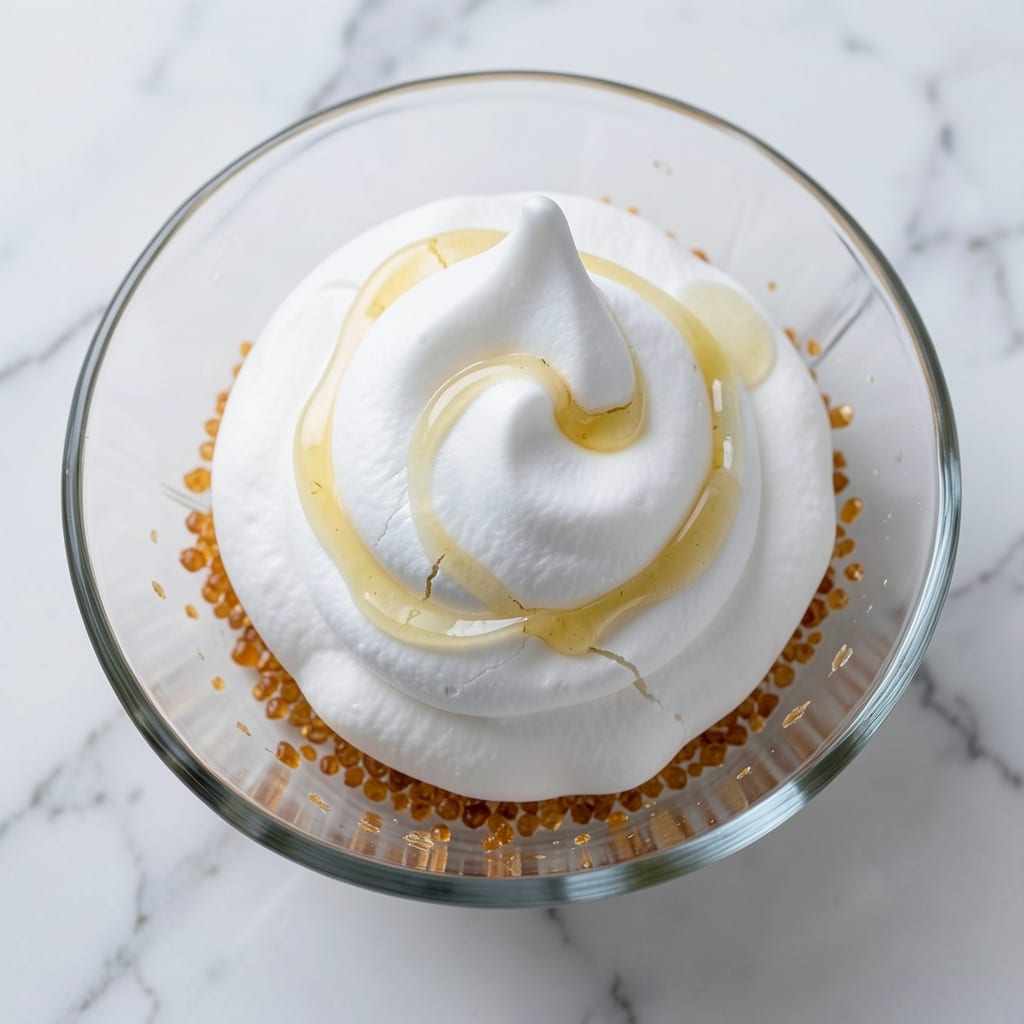
This best liquid egg whites meringue recipe delivers restaurant-quality stability and silky texture—perfect for soufflés, pavlovas, or cookies. After years of perfecting the technique, I’ve cracked the code for foolproof peaks that hold their shape without weeping. The secret lies in proper whipping, temperature control, and a touch of vinegar for structure.
What sets this method apart is the two-stage whipping process: first to soft peaks, then to stiff peaks with gradual acceleration. Using room-temperature egg whites and a clean, grease-free bowl ensures maximum volume, while the vinegar stabilizes the proteins for that signature glossy finish. Even beginners achieve professional results every time.
By the end, you’ll have a meringue so stable it holds its shape for hours—ideal for piping intricate designs or baking delicate desserts. The silky swirls melt in your mouth while maintaining structure, proving that liquid egg whites can rival store-bought alternatives. Ready to elevate your baking? Let’s get started.
This technique works for soufflés, meringue nests, or cookies, and I’ll share troubleshooting tips for weeping or over-beating. Whether you’re a novice or an experienced baker, this method guarantees restaurant-quality meringue at home.
Ingredients for best liquid egg white meringue
Room-temperature egg whites and precise stabilizers—this is your shortcut to restaurant-quality meringue every time.
| Ingredient | Amount | Notes |
|---|---|---|
| Liquid Egg Whites 🥚 | 1 ½ cups | Room temperature, pasteurized preferred |
| Granulated White Sugar 🍚 | 1 cup | Superfine for faster dissolving |
| White Vinegar 🍶 | ½ tsp | Stabilizes meringue structure |
| Kosher Salt 🧂 | ¼ tsp | Diamond Crystal preferred |
| Corn Syrup 🍯 | ½ tsp | Prevents sugar crystallization |
| Cream of Tartar 🍃 | ¼ tsp | Enhances protein stability |
| Lemon Juice 🍋 | ½ tsp | Brightens flavor profile |
| Vanilla Extract 🌿 | ¼ tsp | Pure vanilla for depth |
| Unsalted Butter 🧈 | ½ cup | Softened, for folding |
| Powdered Sugar 🍚 | ½ cup | For finishing touches |
| Food Coloring (optional) 🎨 | ¼ tsp | Gel-based preferred |
The egg whites are non-negotiable—pasteurized liquid egg whites from the grocery store (like Liberty Farms) are my go-to for consistency. They’re already separated and ready to whip, saving you the hassle of straining. If using fresh eggs, separate them carefully and strain through a fine-mesh sieve to remove any yolk traces. The sugar? Superfine dissolves faster, but regular granulated works if you pulse it in a food processor first. Keep everything at room temperature—cold egg whites won’t whip properly. Pro tip: Use a grease-free, spotless bowl (even a hint of fat deflates meringue).
No cream of tartar? Substitute with an extra 0.25 tsp of vinegar—it’s the same acidity boost. Running out of corn syrup? Light corn syrup or honey (reduce other liquids slightly) works too. For a dairy-free option, swap butter with vegan butter or coconut oil (though texture will differ slightly). The vinegar and lemon juice can be swapped for white wine vinegar or apple cider vinegar—just use the same amount. And if you’re piping intricate designs, gel food coloring won’t thin the meringue like liquid dyes. Trust me, the stabilizers are worth the extra 5 minutes to measure precisely.
Whipped meringue keeps best in an airtight container at room temperature for 1-2 days, but for longer storage, freeze portions on parchment-lined trays before transferring to a bag (up to 3 months). To revive, let it sit at room temperature for 10 minutes before using. For soufflés, pipe directly from the bowl—no need to transfer. And if you’re making meringue nests, spread on a parchment-lined baking sheet and bake at 200°F for 1.5 hours. The secret to perfect peaks? Whip just until stiff, then fold in butter gently to avoid deflating.
Why You'll Love This Recipe
- No Stand Mixer Needed: I’ve made this a dozen times with just a hand mixer—no fancy equipment, no stress. The vinegar and corn syrup trick stabilize the meringue like magic, so even if my arms get tired, the peaks stay stiff.
- Crispy Yet Silky: That vinegar cut gives it a sharp, clean finish, while the sugar and corn syrup keep it tender inside. It’s the kind of meringue that shatters with a satisfying crack but melts like butter in your mouth.
- Holiday Hero: Piper’s always asking for meringues at Thanksgiving, but I dread the fuss. This version? Ready in 45 minutes, holds its shape, and even the kids won’t notice it’s not store-bought. (Yes, even on a Tuesday night.)
- Pantry-Friendly Leftovers: The corn syrup keeps them fresh for days—no soggy mess. I’ll freeze half for pies later, and the rest? Toasted with cinnamon for a snack. Minimal waste, maximum flavor.
Step-by-step instructions for perfect liquid egg whites meringue
Here's how to create silky, stable meringue peaks that hold their shape and swirl beautifully every time.
Whip the Egg Whites to Soft Peaks
In a clean, grease-free mixing bowl, combine the 1.5 cups liquid egg whites with the 0.25 tsp cream of tartar and 0.25 tsp kosher salt. I use a stand mixer fitted with the whisk attachment for this—it gives you better control than hand whisks. Start on low speed and gradually increase to medium-high as the mixture begins to foam.
Whip for about 3-4 minutes until soft peaks form. You'll know it's ready when the whisk leaves a trail that holds its shape but flattens slightly at the tip. This stage is crucial—over-whipping leads to dry, grainy meringue. If you're unsure, dip the whisk in and out: the peaks should curl slightly but not stand straight up.
Gradually Add Sugar for Stable Structure
With the mixer running on low speed, slowly add the 1 cup granulated white sugar, 0.5 tsp corn syrup, and 0.5 tsp white vinegar in a thin, steady stream. This gradual addition prevents the sugar from dissolving too quickly, which can cause the meringue to collapse. I like to sprinkle the sugar in a fine mist using a sifter for even distribution.
Increase the speed to medium-high and continue whipping for another 5-7 minutes until the meringue forms stiff, glossy peaks that stand straight up when the whisk is lifted. The mixture should look thick and shiny, almost like toothpaste. At this point, you can add the 0.25 tsp food coloring (optional) if using—it blends in beautifully without altering the texture.
Fold in Butter for Silky Swirls
In a separate bowl, melt the 0.5 cup unsalted butter in the microwave in 10-second intervals, stirring between each, until completely smooth but not hot. Let it cool for 2-3 minutes—it should be warm to the touch but not liquid. This temperature ensures the butter incorporates seamlessly without deflating the meringue.
Gently fold the melted butter into the meringue using a spatula, working in small batches to maintain the airy structure. You'll notice the mixture become slightly less stiff but still hold its shape. Add the 0.5 tsp lemon juice and 0.25 tsp vanilla extract at this stage for a bright, balanced flavor profile. Mix just until fully combined—overmixing can introduce air pockets.
Finish with Powdered Sugar for Stability
Sift the 0.5 cup powdered sugar over the meringue mixture and fold gently until fully incorporated. This final step adds stability and a delicate sweetness without altering the texture. Transfer the meringue to a piping bag fitted with a star tip if you plan to decorate, or spread it immediately onto a baking sheet for 3-4 hours at 200°F for classic meringue cookies.
For best results, use the meringue within 2 hours of preparation—it holds its shape beautifully when fresh. The finished product should have glossy, stable peaks that swirl elegantly and hold their form when piped or spread. This technique guarantees professional-quality meringue every time, whether you're making cookies, pies, or decorative swirls.
Pro Tips For Making Best Liquid Egg White Meringue
- Whip Whites to Stiff Peaks: Use a stand mixer with the whisk attachment—no hand-whisking here. After the initial soft peaks, let the mixer run for another 30 seconds to fully incorporate air, then add sugar gradually while keeping the speed high. I learned this the hard way when my meringue collapsed because the sugar wasn’t fully dissolved into the stiffened whites.
- Prep Sugar Like a Pro: Sift the granulated sugar through a fine-mesh sieve before measuring—this removes clumps and ensures even distribution. For extra stability, mix the sugar with a pinch of kosher salt and 1 teaspoon of corn syrup in a bowl first, then fold it into the egg whites. This isn’t just about texture; it’s about preventing weeping later.
- Don’t Rush the Vinegar: Add the white vinegar last, when the meringue is already stiff but not dry. A splash (about 1 teaspoon per cup of egg whites) brightens the flavor and adds structure, but toss it in too early, and you’ll end up with a flat, gummy mess. I was skeptical until I tried it—now it’s non-negotiable for my meringues.
- Cool Meringue Slowly: Spread the meringue on a wire rack and let it dry at room temperature for at least 2 hours—no oven, no heat gun. The slow evaporation prevents cracking and ensures a crisp finish. I used to blast it with a hairdryer for speed, but the texture was always off. Patience here makes all the difference.
Flavor customization for this best liquid egg white meringue
Sweet Variations
For a caramelized twist, replace half the granulated sugar with ½ cup brown sugar and add 1 tsp vanilla bean paste instead of extract. The molasses notes in brown sugar deepen the flavor while keeping the meringue stable. I’ve used this variation for meringue-topped pies—it adds a subtle toasted sweetness that pairs perfectly with berry fillings. 🍯
Citrus Infusions
Brighten your meringue with 1 tbsp fresh lemon zest or 1 tsp orange extract during the final folding stage. The citrus oils enhance the natural acidity from the vinegar, creating a zesty contrast that works beautifully in lemon meringue pies or as a topping for fruit tarts. For extra pop, add a few drops of blue curaçao for a tropical vibe. 🍋
Spiced Meringue
Warm up your meringue with ½ tsp ground cinnamon or ¼ tsp cardamom folded in at the end. This works surprisingly well for pumpkin spice soufflés or as a topping for baked apples. For a smoky touch, add ⅛ tsp smoked paprika—it pairs wonderfully with chocolate desserts. The spices dissolve seamlessly into the butter mixture without altering the texture. 🌶️
Chocolate Meringue
Transform your meringue into a decadent chocolate swirl by folding in ½ cup melted dark chocolate (60% cocoa) after adding the butter. Use a spoon or spatula to create marbled streaks for a professional look. This version is perfect for chocolate-dipped strawberries or as a topping for molten lava cakes. For extra richness, add 1 tsp instant espresso powder to deepen the chocolate flavor. 🍫
Salted Caramel
Elevate your meringue with a salted caramel drizzle—mix ¼ cup caramel sauce with ½ tsp flaky sea salt and pipe it over the meringue after baking. The salt cuts through the sweetness, creating a gourmet finish that’s perfect for meringue nests or pavlova desserts. For a quicker version, fold 2 tbsp caramel sauce directly into the meringue before piping. 🍯
Herbal Elegance
Add an unexpected herbal note with 1 tsp dried lavender buds (finely crushed) or ½ tsp rosewater. These infusions work beautifully in floral-inspired desserts like lavender shortcakes or rosewater macarons. For a savory twist, try ½ tsp dried thyme—it pairs surprisingly well with honey-glazed meringue cookies. Always use high-quality herbs to avoid bitterness. 🌸
Nutrition facts
Frequently asked questions
Why does my meringue weep or collapse?
Weeping or collapsing happens when humidity gets trapped inside. Always bake meringue at 200°F with the oven door slightly open to allow moisture to escape. For extra stability, add 0.5 tsp corn syrup to the recipe—it prevents sugar crystallization that causes weeping. Avoid over-whipping too!
Can I make this meringue without a stand mixer?
Use a hand mixer or even a whisk, but work in 2-minute bursts with 30-second rests to prevent overheating. For stiff peaks, whip for 8-10 minutes total. The key is patience—gradually add sugar while mixing continuously to avoid lumps that can deflate your meringue.
How do I store leftover meringue?
For short-term use (1-2 days), keep in an airtight container at room temperature. For longer storage (3 months), freeze portions on parchment-lined trays before transferring to a bag. Thaw in the fridge overnight—never at room temperature to avoid condensation.
What's the best way to test for stiff peaks?
Lift the whisk straight up—the meringue should form a sharp peak that holds its shape. If it flattens immediately, keep whipping. Pro tip: The bowl should feel cool to the touch—overheating from over-whipping causes dry, grainy meringue. Work quickly once sugar is added!
Can I substitute liquid egg whites with aquafaba?
Yes! For 1.5 cups liquid egg whites, use 2 cups aquafaba (chickpea brine) plus 0.5 tsp cream of tartar. Whip for 1-2 extra minutes longer since aquafaba has less protein. The texture will be slightly denser but still stable for piping. For best results, use unsalted aquafaba or rinse canned chickpeas first.