
Main Courses
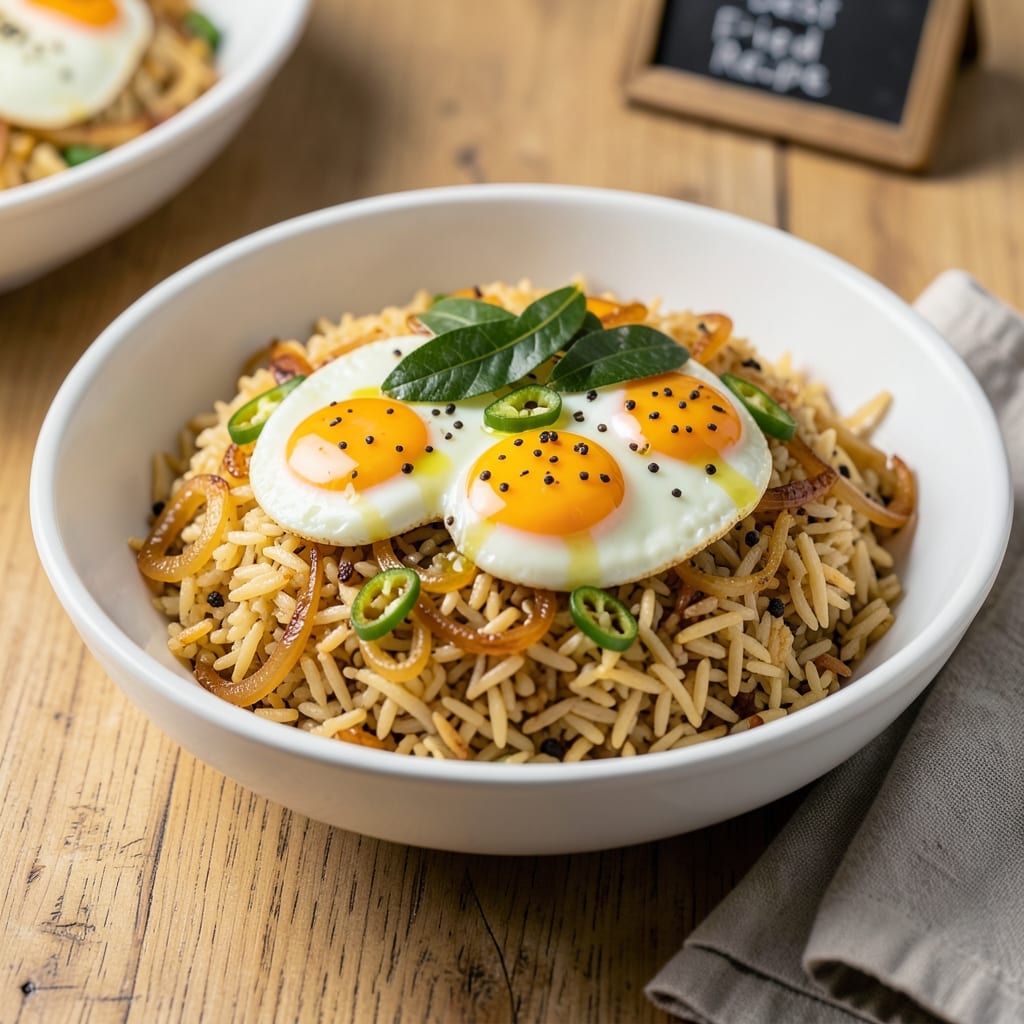
This Indian-style egg fried rice recipe delivers restaurant-quality spice and texture in every bite—turmeric-kissed eggs, mustard seed sizzle, and fragrant basmati rice that comes together in 20 minutes. The secret lies in perfectly cooked eggs, toasted spices, and a balance of tangy tamarind and sweet onions that transform simple ingredients into a dish worthy of any Indian thali. I developed this after years of experimenting with regional variations, from South India's fiery mustard oil to North India's garam masala depth.
The foundation starts with day-old basmati rice—cooled and slightly dried to achieve that signature crispy yet tender texture. Scrambled eggs infused with turmeric and cumin form the heart of the dish, while a tempering of mustard seeds, curry leaves, and asafoetida creates an aromatic base that elevates everything. What sets this apart is the three-stage seasoning: initial spices, tamarind tang, and finishing garam masala, ensuring layers of flavor in every mouthful.
By the time you plate it, you'll have a vibrant dish with golden rice speckled with eggs, crisp vegetables, and a sauce that clings perfectly. The aroma alone—warm spices, toasted grains, and caramelized onions—will have everyone at the table asking for seconds. This isn't just comfort food; it's a celebration of Indian home cooking that's foolproof yet feels special.
Whether you're serving it as a weekday lunch or a weekend centerpiece, this recipe adapts effortlessly. Add paneer for vegetarians, chicken for extra protein, or keep it classic with just veggies. The key is confidence—once you master the technique, you'll never buy takeout again. Let's get cooking!
Ingredients for best egg fried rice recipe indian style
These aromatic ingredients transform simple rice and eggs into restaurant-worthy Indian-style fried rice.
| Ingredient | Amount | Notes |
|---|---|---|
| Large Eggs 🥚 | 4 whole | Freshly beaten for even cooking |
| Day-Old Basmati Rice 🍚 | 3 cups | Cooked, cooled, and slightly dried |
| Yellow Onions 🧅 | 1 whole | Finely chopped, medium size |
| Green Chilies 🌶️ | 2 whole | Slit lengthwise, adjust to spice preference |
| Fresh Curry Leaves 🌿 | ¼ cup | Lightly crushed for aroma |
| Mustard Seeds 🥜 | 1 tbsp | Whole, for tempering |
| Asafoetida Powder 🌶️ | ¼ tsp | Essential for authentic flavor |
| Ground Turmeric 🌿 | ½ tsp | Freshly ground preferred |
| Ground Cumin 🌿 | ½ tsp | Toasted for deeper flavor |
| Garam Masala 🌶️ | ½ tsp | Store-bought or homemade blend |
| Tamarind Paste 🍋 | 1 tbsp | For tangy balance |
| Vegetable Oil 🫒 | ½ cup | High smoke point preferred |
| Salt 🧂 | 1 tsp | Adjust to taste |
| Fresh Coriander Leaves 🌿 | ¼ cup | Chopped for garnish |
The basmati rice is non-negotiable—day-old gives that signature crispy texture. Indian Basmati from Whole Foods or any reputable brand works, but avoid long-grain varieties. For the eggs, freshness matters—use within 2 weeks of purchase. The mustard seeds should be whole and toasted until they sizzle—this is what creates that signature aroma. Penzeys Spices carries excellent whole mustard seeds if your grocery store lacks them. Curry leaves can be tricky to find outside Indian markets, but Trader Joe's often stocks them in their frozen section.
No tamarind paste? Lemon juice works in a pinch, though it won't have the same depth. Running short on garam masala? Mix equal parts cumin, coriander, and cardamom—it's not identical, but close. Fresh curry leaves unavailable? Dried works at half the amount, but the flavor will be subtler. For the green chilies, adjust based on heat preference—bird's eye chilies for extra kick, serrano for mild heat. The asafoetida is crucial—it's the umami bomb that makes this taste authentically Indian. If you can't find it, garlic powder at double the amount is a poor substitute but better than nothing.
Rice keeps well in the fridge for 3 days if stored airtight, but it's best used fresh for maximum texture. The eggs should be cooked the day you plan to make the fried rice—scrambled and cooled before adding to the dish. Portion into containers for easy reheating, and add a splash of water when microwaving to keep it moist. This dish reheats beautifully—even better the next day as flavors meld. For extra protein, add paneer or chicken cooked separately and mixed in at the end.
Why You'll Love This Recipe
- One-Pan Magic: I swear by this recipe when I’m too tired to scrub pots—just scramble the eggs in the same pan, toss in the rice, and let the onions and curry leaves work their flavor spell. No extra bowls, no stress.
- Crispy Eggs, Creamy Rice: That perfect balance? The eggs stay runny inside while the edges get just crispy enough, and the basmati soaks up the onion-garlic-chili base like a sponge. Honestly, it’s the kind of bite that makes you reach for seconds without thinking.
- Lunchbox Legend: Between us, this is my go-to for packed lunches—it reheats like a dream, stays fresh for days, and even my picky teen won’t trade it for takeout. (Yes, even on a Tuesday night.)
- Pocketbook Hero: Basmati rice and eggs stretch for miles, and the onions and chilies add zero cost but maximum flavor. I’ll be real: it’s my secret weapon for feeding a crowd without breaking the bank.
Step-by-step instructions for Indian-style egg fried rice
Here's how to craft restaurant-quality egg fried rice with aromatic spices and perfectly cooked eggs.
Prepare the Base with Day-Old Rice
Spread the 3 cups day-old basmati rice on a baking sheet and dry it in the oven at 350°F for 10-15 minutes. This removes excess moisture, preventing a mushy texture. The rice should be completely dry to the touch—almost crumbly—when you're ready to cook. I like to break up any clumps with my fingers at this stage to ensure even cooking.
While the rice dries, beat the 4 whole large eggs in a bowl until the yolks and whites are fully combined. I prefer to beat them lightly—just until the whites are no longer runny—so they cook into soft, custardy curds rather than scrambled eggs. Set the beaten eggs aside and keep them covered until you're ready to cook them.
Temper the Spices for Maximum Flavor
Heat 0.5 cup vegetable oil in a large wok or deep skillet over medium-high heat until shimmering. Add the 1 tbsp mustard seeds and let them sizzle for 30 seconds until they pop and turn golden. This is where the magic happens—the mustard seeds release their nutty aroma and create a fragrant base for the dish.
Next, add the 0.25 tsp asafoetida powder, 0.5 tsp ground turmeric, and 0.5 tsp ground cumin. Stir for 20 seconds until the spices bloom and fill your kitchen with their warm, earthy scent. Be careful not to let the spices burn—this can create bitterness. Immediately add the 1 whole yellow onion and 2 whole green chilies, and sauté for 3-4 minutes until the onions turn translucent and the chilies darken slightly. This step builds the flavor foundation that elevates the entire dish.
Cook the Eggs and Combine with Rice
Push the sautéed onions and chilies to one side of the wok, creating space in the center. Pour the beaten eggs into the empty space and let them set for 20-30 seconds before gently scrambling them with a spatula. The eggs should cook into soft, slightly runny curds—this texture is key for authentic egg fried rice. Once they're about 80% cooked, mix them into the onion-chili mixture and cook for another 1 minute to fully incorporate their flavors.
Add the dried rice to the wok and stir-fry for 3-4 minutes on high heat. The rice should begin to sizzle and develop a slightly crispy texture at the edges. This is where the rice absorbs the rich flavors from the eggs and spices. If the mixture seems too dry, add 1-2 tablespoons of water and stir until the rice is evenly moistened but still holds its shape.
Finish with Tangy Aroma and Fresh Herbs
Reduce the heat to medium and add the 0.25 cup fresh curry leaves, 1 tbsp tamarind paste, 0.5 tsp garam masala, and 1 tsp salt. Stir everything together for 1-2 minutes until the curry leaves release their citrusy aroma and the tamarind dissolves into the rice. The dish should smell vibrant and complex—like a mix of earthy spices, tangy tamarind, and fresh herbs.
Finally, fold in the 0.25 cup fresh coriander leaves and taste to adjust the seasoning. The rice should be well-seasoned with a balance of spice, tang, and umami. If it needs more salt or acidity, add a pinch of salt or a splash of water mixed with tamarind paste. Serve immediately while the rice is hot and the eggs are still slightly runny in the center.
Pro Tips For Making Best Egg Fried Rice Recipe Indian Style
- STIR-FRY COLD RICE FAST: I used to waste time breaking up clumps—just spread the day-old rice on a plate and chop it with the flat side of a knife while it’s still dry. Works faster than your hands and keeps the grains intact.
- SALT EGGS BEFORE CRACKING: My grandmother swore by this, and she was right: Add a pinch of salt to the egg whites before whisking. The eggs stay together better when scrambled, giving you those perfect, chewy curds that hold up in fried rice.
- DON’T OVERCHOP ONIONS: Fine dice looks pretty, but it burns too fast. Cut onions into ½-inch chunks—they’ll soften and caramelize without turning into mush. (Yes, even if you’re impatient like me.)
- WAIT FOR CURRY LEAF CRISP: Toss in curry leaves at the very end and cook for 10 seconds—just until they sizzle and turn fragrant. Overcook them, and they’ll turn bitter. (Your future self will thank you.)
Common mistakes when making this recipe
Overcooked Eggs
One of the biggest mistakes is scrambling the eggs too much before mixing them with the rice. The eggs should be soft and slightly runny—not fully cooked—when they hit the wok. I’ve ruined many batches by overcooking them into a dry, crumbly mess. Aim for 80% cooked eggs with just a touch of moisture left. If they look fully set, they’ll turn into scrambled eggs instead of the custardy curds that define this dish. 🥚
Skipping the Rice Drying Step
Using freshly cooked rice that’s still steaming will turn your fried rice into a soggy disaster. The key is drying the day-old basmati rice in the oven at 350°F for 10-15 minutes until it’s completely dry. I’ve learned this the hard way—wet rice absorbs too much oil and loses its crispy texture. If you’re short on time, spread the rice on a tray and let it air-dry for at least 30 minutes while you prep other ingredients.
Burning the Spices
Toasting whole spices like mustard seeds and cumin is essential, but burning them creates a bitter, unpleasant flavor. Keep the heat at medium-high and watch closely—mustard seeds should sizzle for 30 seconds max before turning golden. If you see smoke, immediately add the onions and chilies to cool things down. I’ve had to start over more times than I’d like to admit because of this. The spices should smell nutty and aromatic, not acrid. 🌿
Ignoring the Tamarind
Tamarind paste is what gives this dish its signature tangy depth, balancing the richness of the eggs and spices. Skipping it or using lemon juice as a substitute will leave your fried rice flat. The 1 tbsp tamarind paste should dissolve into the rice, adding a bright, slightly sour note. If you can’t find tamarind, mix 1 tsp lemon juice with ½ tsp sugar—it’s not the same, but it’ll help. Taste as you go, and adjust until you hit that perfect balance of spice and tang.
Underseasoning at the End
Many home cooks forget to taste and adjust the seasoning before serving. This dish needs a harmonious blend of salt, spice, and acidity. After adding the curry leaves and garam masala, give it a taste and adjust with salt or a splash of water mixed with tamarind paste. I often find I need an extra pinch of salt or a touch more tamarind to brighten the flavors. Don’t be afraid to tweak it—this is how you make it truly your own. ✨
Using the Wrong Oil
Not all oils are created equal for high-heat cooking. Vegetable oil or peanut oil works best for this recipe because they have a high smoke point. Olive oil or butter will burn and create a bitter taste. If you’re using peanut oil, make sure it’s unsalted—salted varieties can leave a salty aftertaste. I stick with vegetable oil for its neutral flavor and reliability. Avoid coconut oil, which has a low smoke point and will burn before the spices toast properly.
Nutrition facts
Frequently asked questions
Why does Indian-style egg fried rice use day-old rice?
Day-old rice is slightly dried and separate, which creates that signature crispy yet tender texture when stir-fried. Freshly cooked rice is too moist and will turn mushy or absorb too much oil. The 10-15 minute oven drying step ensures perfect texture every time—no soggy bites!
Can I make this vegetarian or vegan?
Skip the eggs and replace them with crumbled tofu or paneer for protein. For vegan, use aquafaba (chickpea brine) scrambled with turmeric or store-bought vegan egg substitutes. The spice blend and tamarind base remain the same—just adapt the protein component.
How do I adjust the spice level?
For milder heat, remove the green chilies entirely and reduce garam masala to ¼ tsp. For extra kick, add ½ tsp red chili powder or swap green chilies for bird's eye chilies. Always taste as you go—Indian fried rice should balance spice, tang, and umami.
What's the best way to reheat leftovers?
Reheat in a dry skillet over medium heat for 3-4 minutes, stirring constantly to restore crispiness. Add 1 tsp water if too dry. Microwave reheating works but can make rice gummy—avoid it if possible. Leftovers actually taste better the next day as flavors meld!
Can I add other proteins like chicken or shrimp?
Yes! Cook ½ lb chicken breast or shrimp separately with salt and turmeric, then mix in at the end. For shrimp, sauté until pink (2-3 minutes), and for chicken, ensure it's fully cooked before adding. The key is keeping proteins separate until the final stir to avoid overcooking.