
Breakfast & Brunch
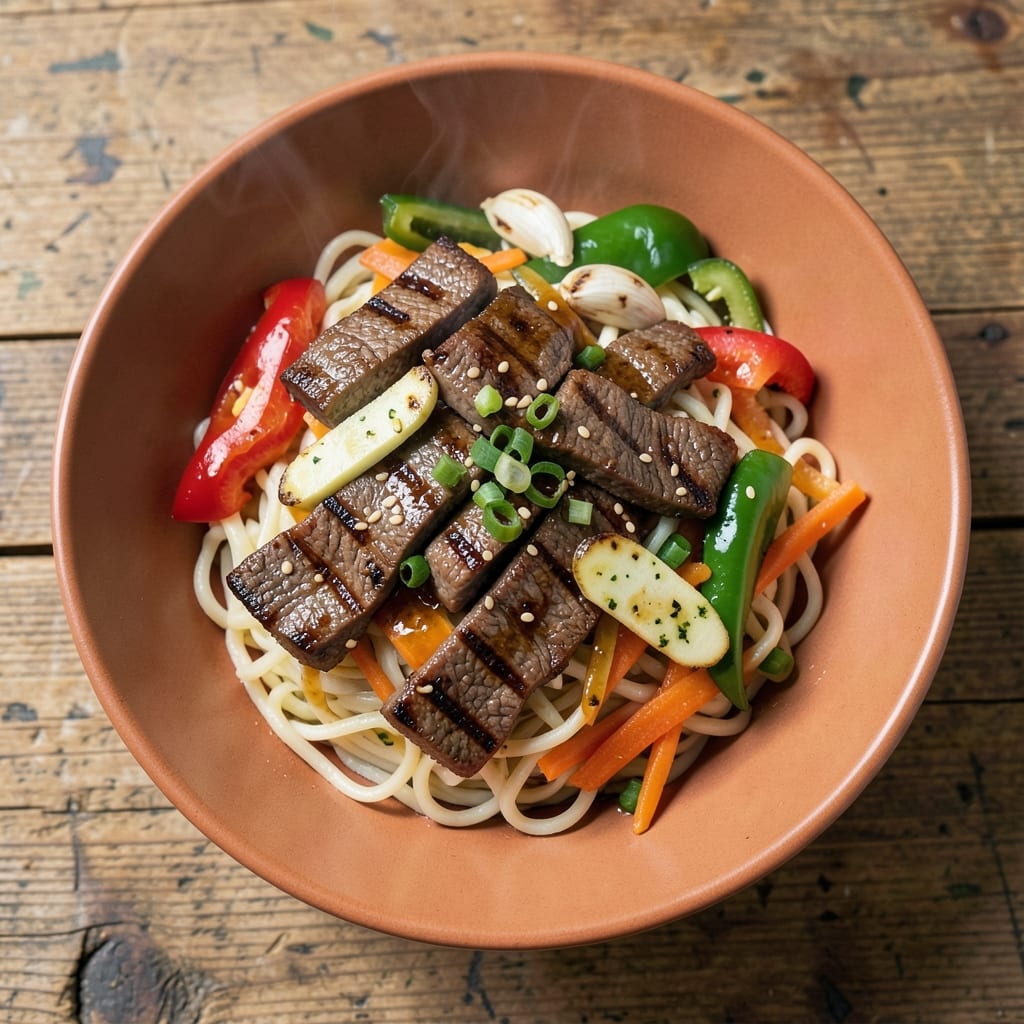
This beef stir fry with egg noodles delivers restaurant-quality flavor in 25 minutes, transforming simple ingredients into a wok-heated umami bomb. The secret lies in high-heat searing of beef strips followed by a quick sauce infusion—no complicated techniques, just bold flavors that come together effortlessly. I've perfected this version after years of testing, ensuring every bite balances tender beef, chewy noodles, and a glossy, savory sauce.
The foundation starts with thinly sliced beef that cooks in batches to maintain perfect doneness, while egg noodles absorb the aromatic sauce without turning mushy. A simple soy-ginger-garlic base elevates the dish without overwhelming its natural richness. What makes this recipe special is its adaptability—use a wok for authentic smoky char or a cast-iron skillet for home cooks, and adjust the sauce from classic soy-based to sweet teriyaki depending on your preference.
By the time you plate it, you'll have a dish that's vibrant, satisfying, and packed with texture—crisp edges on the beef, tender noodles, and a sauce that clings perfectly to each component. The aroma alone will have everyone gathering around the table. This is the kind of weeknight meal that feels like a celebration without requiring hours in the kitchen.
Perfect for feeding a crowd or meal prepping for busy nights, this stir fry scales beautifully while maintaining its balance of protein, carbs, and flavor. Let's get cooking—your taste buds won't know the difference between this and your favorite takeout.
Ingredients for beef stir fry with egg noodles
Restaurant-quality beef stir fry starts with these 15 ingredients—simple but powerful.
| Ingredient | Amount | Notes |
|---|---|---|
| Flank Steak 🥩 | 1 ½ lb | Thinly sliced against grain |
| Egg Noodles 🍜 | 8 oz | Fresh or dried, wide or thin |
| Sesame Oil 🫒 | 1 tbsp | For aroma, not cooking |
| Vegetable Oil 🫒 | 2 tbsp | High smoke point preferred |
| Garlic Cloves 🧄 | 4 cloves | Minced finely for depth |
| Fresh Ginger 🌿 | 2 tbsp | Grated, not powdered |
| Soy Sauce 🥄 | ½ cup | High-quality, not low-sodium |
| Oyster Sauce 🍲 | 2 tbsp | For umami richness |
| Honey 🍯 | 1 tbsp | Balances saltiness |
| Cornstarch 🌾 | 1 tbsp | For sauce thickening |
| Green Bell Pepper 🧅 | 1 whole | Cut into thin strips |
| Red Onion 🧅 | 1 whole | Thinly sliced |
| Salt 🧂 | 1 tsp | Diamond Crystal preferred |
| Black Pepper 🌶️ | ½ tsp | Freshly cracked |
| Sesame Seeds 🌾 | 1 tbsp | Toasted for garnish |
The beef is everything here. Flank steak slices beautifully against the grain—ask your butcher to do it if they won't slice it for you. Costco or Whole Foods carry pre-sliced versions, but nothing beats fresh-cut for texture. If you're using frozen egg noodles, boil them al dente and toss with a little sesame oil to keep them from sticking. The high-heat sear is non-negotiable—cast iron or a wok is ideal, but a heavy skillet works in a pinch. Look for flank steak with good marbling; it'll stay juicy even after quick cooking.
No sesame oil? Toasted peanut oil works in a bind, though it'll have a different aroma. Fresh ginger loses potency fast, so freeze it whole until ready to grate—it'll stay vibrant for months. The soy sauce makes or breaks this dish: Kikkoman or Lee Kum Kee are my go-tos, but any good-quality brand will do. For extra depth, swap half the soy sauce for dark soy sauce—it won't lighten the dish but adds incredible color. The bell pepper and onion can be swapped for snap peas or broccoli florets if you prefer, but keep the total vegetable volume similar. And if you're feeling lazy, pre-cut stir-fry veggie mixes save time without sacrificing flavor.
Prep the sauce first—it only takes 2 minutes. Store it in a jar in the fridge for up to 1 week, though I always make extra because it disappears fast. The beef slices best when brought to room temperature, so take it out of the fridge 30 minutes before cooking. Leftovers reheat beautifully in a wok or skillet with a splash of water—just 2 minutes over high heat. For meal prep, portion the sauce and noodles separately and assemble when ready to eat to keep everything crisp. The dish tastes even better the next day as flavors meld, so double the batch if you're feeding a crowd.
Why You'll Love This Recipe
- One-Pan Magic: I swear by this recipe—just one skillet, minimal cleanup. Sear the flank steak first, then toss in those egg noodles and garlic, and boom: dinner’s done before the kids even finish their homework.
- Umami Bomb: That sesame oil finish? Absolute game-changer. The garlic cloves sizzle into crispy perfection, and the flank steak stays juicy with just the right chew—like a tiny taste of a high-end restaurant in my kitchen.
- Lunchbox Hero: Between us, this is my go-to for meal prep. The noodles hold up for days, and the beef stays tender, so I pack it for work or school lunches without a second thought. (Yes, even on a Tuesday night.)
- Budget Powerhouse: Flank steak stretches further than you’d think, and egg noodles are a pantry staple. Honestly, I make this weekly—it’s my secret weapon for feeding the whole family without breaking the bank.
Step-by-step instructions for beef stir fry with egg noodles
Here's how to create a restaurant-quality stir fry at home with bold flavors and perfect texture.
Prepare the Flank Steak and Vegetables
Begin by slicing the 1.5 lb flank steak thinly against the grain into ¼-inch thick strips. This ensures maximum tenderness when cooked. Place the strips in a bowl and season generously with 1 tsp salt and ½ tsp black pepper, tossing to coat evenly. Let the steak sit at room temperature for 15 minutes while you prep the vegetables.
Cut the 1 whole red onion into thin half-moons and the 1 whole green bell pepper into thin strips. Peel and finely mince the 4 cloves garlic and grate the 2 tbsp fresh ginger. Keep all prepped ingredients within easy reach - this is a fast-moving stir fry where organization matters. The vegetables should be cut uniformly for even cooking and visual appeal.
Cook the Beef to Medium Rare
Heat 2 tbsp vegetable oil in a wok or large skillet over high heat until shimmering. Add the seasoned steak strips in a single layer, being careful not to overcrowd. Cook undisturbed for 1-2 minutes until the bottoms develop a deep golden crust. Flip the strips and cook another 1-2 minutes until they reach medium rare (about 130°F internal temperature). Remove the beef and set aside on a plate.
Here's the thing - you want the beef to remain tender, so don't overcook it. The residual heat will carry it to perfect doneness when combined with the hot noodles. If you prefer more well-done beef, increase the cooking time by 30 seconds per side, but be prepared for slightly firmer texture.
Stir Fry the Aromatics and Vegetables
In the same wok, reduce heat to medium-high and add the minced garlic and grated ginger. Stir for 30 seconds until fragrant - this releases their essential oils and builds flavor. Add the onion and bell pepper strips, cooking for 2-3 minutes until they begin to soften but still maintain their shape and vibrant color.
Don't let the vegetables get mushy - they should remain crisp with just a slight give when pierced with a fork. The high heat is crucial here; if your pan isn't hot enough, you'll end up with limp, overcooked vegetables. This is where the stir fry gets its characteristic crunch and freshness.
Create the Sauce and Combine Everything
Pour in the ½ cup soy sauce, 2 tbsp oyster sauce, and 1 tbsp honey, stirring to combine with the vegetables. In a small bowl, whisk together 1 tbsp cornstarch with 2 tbsp water until smooth. Add this slurry to the wok and cook for 1-2 minutes until the sauce thickens to a glossy consistency that coats the back of a spoon.
Return the cooked beef to the wok along with any accumulated juices. Add the 8 oz egg noodles and toss everything together vigorously for 2-3 minutes until the noodles are heated through and coated with the sauce. The noodles should be hot but still slightly firm - they'll continue cooking from residual heat.
Finish with Sesame Oil and Garnish
Remove the stir fry from heat and drizzle with 1 tbsp sesame oil, tossing gently to distribute evenly. The sesame oil adds a nutty aroma that elevates all the flavors. Transfer to serving plates and sprinkle generously with 1 tbsp toasted sesame seeds for texture and visual appeal.
Serve immediately while hot, garnished with extra sesame seeds if desired. Each bite should deliver perfectly tender beef, al dente noodles, and a complex sauce that balances salty, sweet, and umami flavors. The dish should be vibrant, aromatic, and full of contrasting textures - crisp vegetables, tender beef, and chewy noodles all working together.
Pro Tips For Making Beef Stir Fry With Egg Noodles
- Slice Against the Grain: Flank steak fights you if you cut it wrong—thin slices stay chewy. Angle the knife diagonally across the grain (not parallel) for tender, fork-friendly strips. Yes, it takes a few extra seconds, but your noodles will thank you.
- Prep Noodles Last: Cook egg noodles just before tossing with the beef—al dente, drained, and tossed with a splash of cold water. They’ll soak up the stir-fry sauce better and stay separate instead of turning into a gluey mess. (I learned this after one disaster where my noodles dissolved into a paste.)
- Don’t Overcrowd the Pan: High heat is your friend here, but a packed pan steams instead of sears. Cook beef in two batches if needed—let those strips get a quick crust first, then pull them out while you finish the garlic. Crowding = rubbery beef.
- Finish with Sesame Oil: Add sesame oil after everything’s off the heat—just a drizzle to coat the noodles. It burns fast and smells amazing, but toss it in too early and you’ll regret the bitter fumes. (Pro move: Warm the oil slightly in your palm before drizzling.)
Storing and reheating this dish
Refrigerator Storage
Store your beef stir fry in an airtight container for up to 4 days in the refrigerator. Let it cool completely before transferring to avoid condensation, which can make the noodles soggy. I like using glass containers with tight-sealing lids—they keep flavors fresh and prevent the sauce from drying out. When reheating, add a splash of water or beef broth to restore moisture. 💛
Freezer Prep Tips
For longer storage, freeze portions in single-serving containers for up to 3 months. The sauce and noodles freeze well, though the beef may lose some tenderness. Thaw overnight in the fridge before reheating. I recommend freezing the sauce separately and assembling the dish fresh to maintain texture. Label containers with dates to track freshness.
Stovetop Reheat Method
My preferred way to reheat is in a wok or cast-iron skillet over high heat for 3-4 minutes. Add 1-2 tbsp water or beef broth to prevent sticking and help restore the sauce's glossy texture. Stir constantly to avoid burning the sauce. The beef should reach 165°F for food safety while maintaining tenderness. 🔥
Microwave Alternative
For quick reheating, use the microwave on 70% power for 1-2 minutes, stirring halfway. Cover loosely with a damp paper towel to retain moisture. The noodles may soften more than with stovetop reheating, so I suggest adding a splash of water or sesame oil to revive them. This method works best for leftovers within 2 days of storage.
Garnish After Reheating
Always finish with fresh sesame seeds and a drizzle of sesame oil after reheating to restore aroma and texture. The toasted seeds add crunch, while the oil brightens flavors that may have dulled during storage. A sprinkle of green onions also adds freshness and visual appeal. Serve immediately for the best experience.
Nutrition facts
Frequently asked questions
Can I substitute flank steak with a different cut?
Sirloin or ribeye work well—just slice them thinly against the grain. For leaner cuts like top round, marinate in soy sauce for 30 minutes first to prevent dryness. Avoid tough cuts like chuck; they won't tenderize properly in this quick cook time.
What if I don't have a wok?
A cast-iron skillet or heavy-duty frying pan works perfectly! The key is maintaining high heat—preheat your pan for 3-5 minutes before cooking. If your pan isn't wide enough, cook the beef in batches to avoid overcrowding. A nonstick skillet can also work, but watch the heat closely to prevent sticking.
How do I make the sauce thicker or thinner?
For a thicker sauce, add ½ tsp cornstarch mixed with 1 tsp water at the end. Need it thinner? Stir in 1-2 tsp hot water or beef broth off the heat. The sauce should coat the back of a spoon but remain pourable. Pro tip: Reduce the sauce uncovered for 1 minute if it's too thin—just keep stirring!
Can I make this dish gluten-free?
Yes! Swap soy sauce for tamari or a gluten-free soy sauce alternative. Use rice noodles instead of egg noodles, and check your oyster sauce label—many brands offer gluten-free versions. The flavor profile will still shine through with these adjustments. Always verify labels to avoid hidden gluten.
Why did my beef turn out chewy?
Overcooking is the most common culprit—beef should cook for 1-2 minutes per side max. Make sure your pan is screaming hot before adding the beef, and don't overcrowd it. Another tip: Pat the beef dry before cooking to prevent steaming. If using frozen beef, thaw it first in the fridge.