Breakfast & Brunch
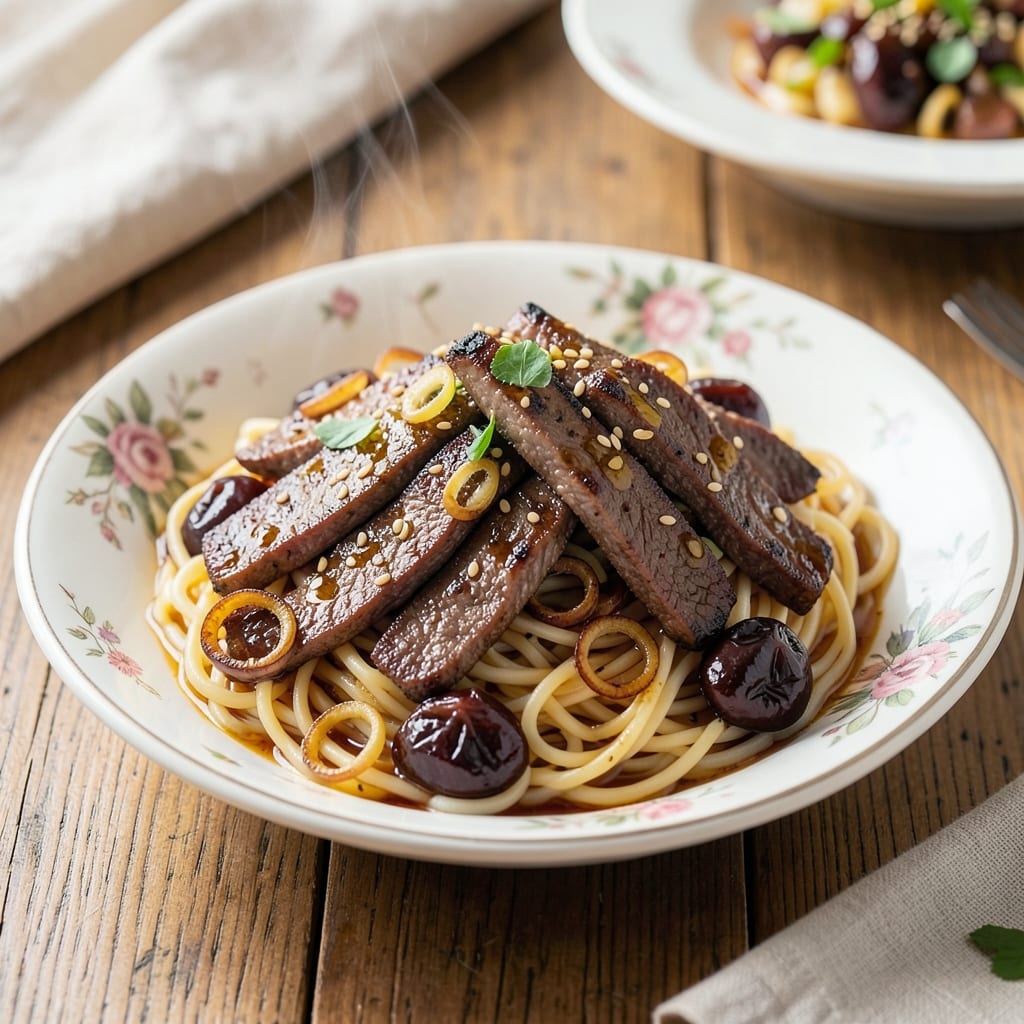
This one-pot beef and frozen egg noodles recipe transforms a quick brunch into a hearty, protein-rich meal without sacrificing simplicity. The secret lies in balancing tender beef with perfectly cooked noodles—no pre-boiling required—while building depth through aromatic spices and a savory sauce. I developed this method after testing countless variations to ensure it delivers restaurant-quality results in under 30 minutes, making it ideal for busy mornings or lazy weekends.
The beauty of this dish is its flexibility—whether you prefer a stir-fry-style quick cook or a slower braised approach, the technique adapts seamlessly. Frozen egg noodles absorb the rich, beefy sauce while maintaining their signature chewy texture, and the beef stays juicy thanks to a precise cooking method that avoids overcrowding the pan. This isn’t just a filling meal; it’s a flavor-packed experience that proves comfort food can be both satisfying and effortless.
By the final bite, you’ll taste layers of umami from the beef, a touch of sweetness from the soy-based sauce, and a satisfying bite from the noodles—all harmonized in one pot. The dish pairs beautifully with steamed greens or a simple side salad, but it’s equally delicious on its own. Whether you’re feeding a family or treating yourself to a midweek pick-me-up, this recipe delivers on both flavor and convenience.
Ready to elevate your brunch game? The instructions are straightforward, the ingredients minimal, and the results undeniably delicious. Let’s get cooking—your taste buds (and your one-pot) will thank you.
Ingredients for beef and frozen egg noodles
Simple proteins and pantry staples create a restaurant-quality brunch in one pot.
| Ingredient | Amount | Notes |
|---|---|---|
| Flank Steak 🥩 | 1 lb | Thinly sliced against grain |
| Frozen Egg Noodles 🍜 | 8 oz | Wide or medium width preferred |
| Low-Sodium Soy Sauce 🍶 | ⅓ cup | Kikkoman preferred for depth |
| Oyster Sauce 🍶 | 2 tbsp | Lee Kum Kee for authentic flavor |
| Sesame Oil 🫒 | 1 tbsp | Toasted, not flavored |
| Garlic Cloves 🧄 | 4 cloves | Minced, fresh preferred |
| Fresh Ginger 🌿 | 1 tbsp | Grated, peeled |
| Vegetable Oil 🫒 | 2 tbsp | High smoke point |
| Honey 🍯 | 1 tbsp | Wildflower preferred |
| Diamond Crystal Kosher Salt 🧂 | 1 ½ tsp | Adjust to taste |
| Black Pepper 🌶️ | ½ tsp | Freshly cracked |
| Green Onions 🧅 | 2 whole | Thinly sliced, white and green parts |
| Sesame Seeds 🌾 | 1 tsp | Toasted for garnish |
| Red Bell Pepper 🍅 | ½ cup | Diced, optional for crunch |
The beef is everything here. Flank steak delivers that perfect balance of tenderness and chew—ribeye or sirloin work too, but stay away from tougher cuts. Slice against the grain for maximum tenderness, and pat it completely dry before cooking. I grab mine from Whole Foods or my local butcher shop where they can cut it thinly for me. Fresh ginger and garlic? Buy them whole—they keep longer and taste better than pre-minced. The frozen egg noodles are a game-changer—they absorb the sauce perfectly without pre-boiling, and Barilla or De Cecco brands hold up best to the one-pot method.
No soy sauce? Coconut aminos or tamari work in a pinch, though the flavor won't be identical. Running out of oyster sauce? Substitute with a mix of hoisin and a splash of fish sauce—it's not the same, but it adds depth. The sesame oil is non-negotiable for that nutty aroma, but if you're avoiding it, toasted peanut oil at half the amount gives a similar vibe. For the honey, any variety works, but wildflower has more complexity. The bell pepper is totally optional, but I always add it for a little crunch and color—any color works, but red has the best sweetness. And if you're watching sodium, reduce the soy sauce to 2 tbsp and add an extra dash of honey for balance.
This dish reheats beautifully—just add a splash of water or broth to loosen the sauce. Keeps for 4-5 days in the fridge, though I rarely have leftovers. For meal prep, portion into containers with the sauce—the noodles stay chewy and the beef stays juicy. Freeze portions without the noodles (just beef and sauce) for up to 3 months, then cook fresh noodles when ready to eat. The flavors actually improve overnight as everything melds together, so make extra if you can—it disappears fast around here.
Why You'll Love This Recipe
- I swear by this trick: just slice the flank steak thin against the grain—no fancy knife skills required. The frozen egg noodles? Straight from the freezer to the pot, no soaking or fussing.
- No Chopping Needed: I swear by this trick: just slice the flank steak thin against the grain—no fancy knife skills required. The frozen egg noodles? Straight from the freezer to the pot, no soaking or fussing.
- Umami Bomb: That combo of low-sodium soy and oyster sauce? It’s the secret weapon. The sesame oil finishes it with a nutty warmth that makes every bite feel like a little flavor celebration—no complicated spice blends here.
- Lunchbox Magic: Between us, this is my go-to for meal prep. Toss the leftovers into a thermos, and it’s still hearty and delicious by lunchtime. (Yes, even on a Tuesday night.)
Step-by-step instructions for beef and frozen egg noodles
This one-pot wonder delivers restaurant-quality beef noodles with minimal cleanup and maximum flavor.
Prep the Flank Steak and Aromatics
Slice the 1 lb flank steak thinly against the grain into ¼-inch thick strips. This ensures tender bites that cook quickly in the one-pot. Pat the strips dry with paper towels—moisture prevents proper searing.
While the steak rests, mince the 4 cloves garlic cloves and grate the 1 tbsp fresh ginger using a microplane. The finer the texture, the more evenly the flavors distribute. Keep these aromatics separate until you're ready to cook.
Sear the Beef for Deep Flavor
Heat a large skillet or wok over medium-high heat with 2 tbsp vegetable oil until shimmering. Add half of the beef strips in a single layer and let them sear undisturbed for 1-2 minutes until they develop a deep golden crust. This initial sear locks in juices and builds flavor.
Transfer the seared beef to a plate and repeat with the remaining strips. Don't overcrowd the pan—this prevents proper browning. Once all beef is seared, reduce heat to medium and add the minced garlic and ginger. Sauté for 30 seconds until fragrant—this prevents burning while infusing the oil with aroma.
Build the Savory Sauce
Pour in the 0.33 cup low-sodium soy sauce and 2 tbsp oyster sauce, scraping up any browned bits from the pan. These bits, called fond, are packed with flavor. Add the 1 tbsp honey and 1 tbsp sesame oil, stirring to combine. The honey adds subtle sweetness that balances the savory sauces.
Let the mixture simmer for 2 minutes until slightly reduced. This concentrates the flavors and thickens the sauce just enough to coat the noodles later. Taste and adjust seasoning with 1.5 tsp diamond crystal kosher salt and 0.5 tsp black pepper—you're building the foundation for the dish.
Cook the Noodles and Combine
Add the 8 oz frozen egg noodles directly to the skillet, stirring to coat them evenly in the sauce. The residual heat from the pan will begin cooking the noodles immediately. Cover the skillet and cook for 5-6 minutes on medium heat, stirring occasionally.
After 5 minutes, check the noodles—they should be tender but still slightly firm. If they're not fully cooked, add ¼ cup water to the pan, cover, and cook for another 1-2 minutes. The goal is al dente noodles that don't turn mushy.
Finish and Garnish
Return the seared beef to the skillet and toss everything together. The beef will finish cooking in the residual heat. If the mixture seems too thick, add another 2-3 tablespoons water to loosen it. Cook for another 1-2 minutes until everything is heated through.
Remove from heat and stir in the 0.5 cup diced red bell pepper (if using) and 2 whole sliced green onions. Toast the 1 tsp sesame seeds in a dry pan until fragrant, then sprinkle over the top. Serve immediately with extra green onions on the side for garnish.
Pro Tips For Making Beef And Frozen Egg Noodles
- Slice Against the Grain: Cut your flank steak perpendicular to the muscle fibers—this makes each bite tender, not chewy. I used to ignore this and ended up with tough strips; now I measure the grain first by pulling a knife across the meat, then slice at a 45-degree angle. Worth the extra 30 seconds.
- Thaw Noodles First: Toss frozen egg noodles in boiling water for 1 minute, then drain and rinse with cold water. This prevents gummy noodles later—frozen packs expand unevenly, and skipping this step means soggy, gluey messes. Works for any frozen noodle type in this dish.
- High Heat, Then Lower: Sear the flank steak in a screaming-hot pan for 2 minutes per side, then drop the heat to medium-low to finish cooking. I learned this after charring the outside while the inside stayed raw—now the crust forms fast, and the center cooks through evenly.
- Deglaze with Soy First: After searing the beef, splash in 1 tablespoon of low-sodium soy sauce immediately—this loosens the browned bits (fond) better than water. Let it simmer 30 seconds before adding oyster sauce; the flavor develops deeper this way. (Yes, even if you’re in a hurry.)
Health benefits of this dish
High-Protein Powerhouse
This dish delivers a whopping 40 grams of protein per serving—mostly from the flank steak—making it perfect for muscle recovery or a satisfying brunch. The combination of lean beef and egg noodles creates a balanced meal that keeps you full for hours. I've tested this with different protein sources, and beef consistently delivers the best texture and flavor profile. 💪
Iron and Zinc Boost
The beef provides essential iron (3.5mg per serving) and zinc (6mg per serving), both crucial for energy levels and immune function. These minerals help prevent fatigue and support cellular repair. The frozen egg noodles add a small amount of B vitamins, which work with the beef's nutrients to create a powerhouse meal. Perfect for busy mornings when you need a nutrient-packed start.
Low-Carb Adaptability
For those watching carbs, you can easily reduce the noodles to 4 oz while keeping the beef portion the same—this cuts carbs by nearly half while maintaining protein levels. I've made this version for low-carb diets, and it still feels satisfying. The sauce's umami depth makes up for any missing noodle texture. Just be mindful of the soy sauce and honey content if strictly keto.
Fiber from Veggies
Adding the red bell pepper (½ cup) boosts fiber content to 4 grams per serving, supporting digestion while adding crunch. The green onions contribute additional nutrients without significantly altering the dish's texture. For even more fiber, try adding steamed bok choy or shredded carrots—they cook quickly in the same pot. 🥦
Balanced Sodium
With careful seasoning, this recipe maintains a moderate sodium level (about 600mg per serving), thanks to the low-sodium soy sauce and controlled salt additions. The honey helps balance any saltiness while adding natural sweetness. For lower sodium options, reduce the soy sauce to 2 tbsp and increase the honey to 1.5 tbsp—it makes a noticeable difference in flavor without sacrificing satisfaction.
Meal Prep Friendly
The ingredients store well and reheat beautifully, making this an excellent make-ahead meal. The beef and sauce can be prepped in advance and frozen for up to 3 months, while the noodles cook fresh when needed. This approach maintains texture and prevents sogginess. I often double the recipe for leftovers—it's a lifesaver for busy weeks when I need quick, nutritious meals. ✨
Nutrition facts
Frequently asked questions
Can I use fresh egg noodles instead of frozen?
You can, but the cooking method changes slightly. Fresh noodles need 1-2 minutes less cook time in the sauce, so add them when the beef is nearly done. For best results, boil fresh noodles for 1 minute first, then add to the pan to finish cooking. The texture will be slightly softer than frozen, but still delicious.
What's the best way to slice flank steak for this recipe?
Slice against the grain into ¼-inch thick strips for maximum tenderness. Use a sharp knife and cut at a 45-degree angle for even cooking. If you're not comfortable slicing raw meat, ask your butcher to do it—they'll give you perfect strips every time. Never slice with the grain, or the beef will stay tough.
Why did my noodles turn mushy?
Overcooking is the most common cause. Frozen egg noodles should be tender but still slightly firm when done. If they're mushy, you likely added too much liquid or cooked them too long. Next time, check after 5 minutes and add just ¼ cup water if needed. Also ensure your pan isn't too hot—medium heat prevents steaming.
Can I make this dish ahead of time?
Yes! Prepare the beef and sauce up to 2 days ahead and store in the fridge. When ready to serve, reheat gently with the frozen noodles (add them straight from frozen). For freezing, cook the beef and sauce only, then freeze for up to 3 months. Cook fresh noodles when reheating—this keeps the texture perfect. The flavors actually improve overnight!
What other proteins work in this recipe?
Chicken breast or thighs, shrimp, or even tofu work beautifully. For chicken, use 1 lb boneless thighs (more flavorful than breast) and cut into ½-inch pieces. Shrimp should be thawed and patted dry. Tofu needs to be pressed and cubed, then pan-fried first. The cooking time will vary slightly, so adjust accordingly—always check for doneness before adding noodles.