
Breakfast & Brunch
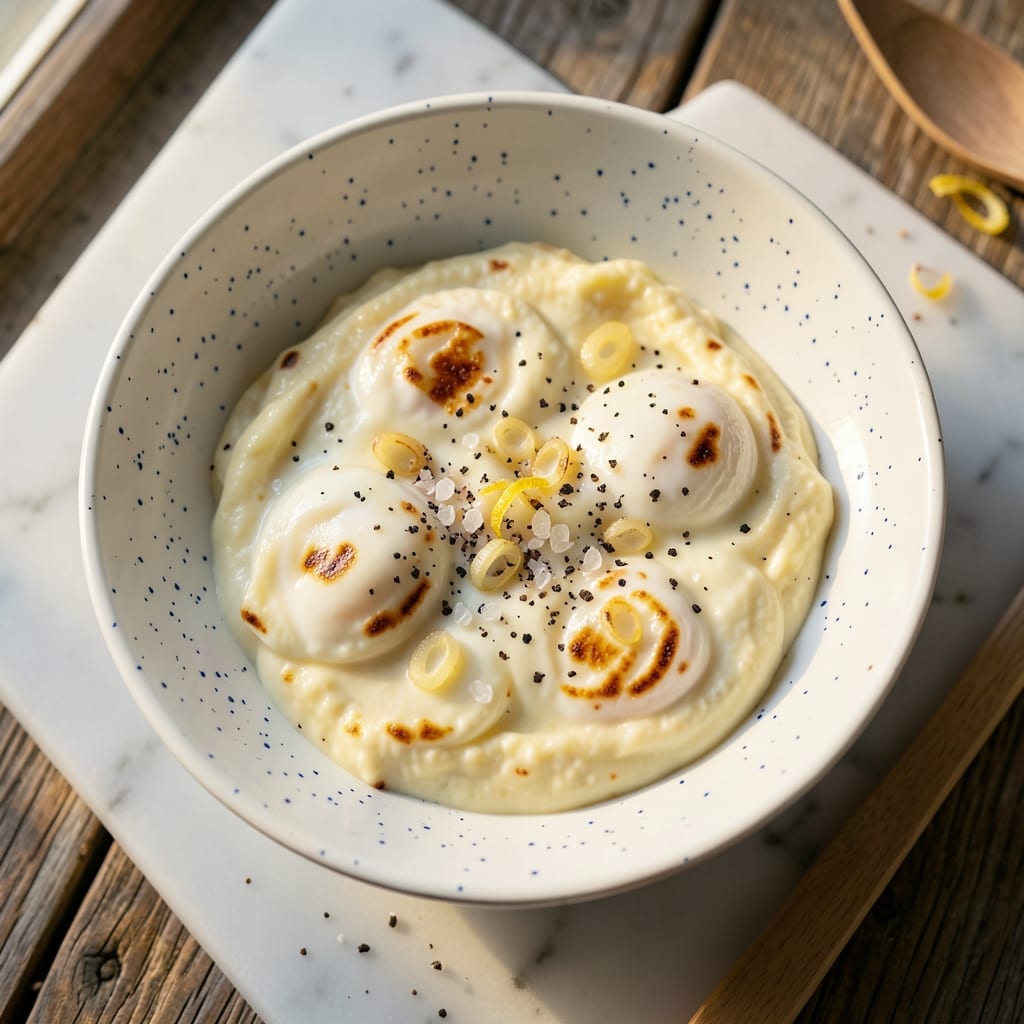
Beat scrambled eggs transform breakfast from ordinary to extraordinary with their impossibly light, airy texture—no rubbery curds in sight. The secret lies in vigorous whisking and precise heat control, a technique I’ve perfected after years of trial (and a few failed batches). This method creates eggs so tender they practically melt on your tongue, with just the right balance of creaminess and fluffiness.
What sets these apart is the whisking technique: eggs beaten with a fork or whisk until fully aerated, then cooked on low heat with constant stirring. The key is patience—rushing leads to overcooked edges, while letting them cook slowly ensures that perfect, cloud-like consistency. A splash of milk or cream adds richness, while butter creates a velvety finish.
By the time you’re done, you’ll have eggs that are silky, custardy, and impossibly light, ready to be served with toast, avocado, or fresh herbs. The method is foolproof, requiring just 5 minutes of active time and minimal ingredients. No more sad, dense scrambled eggs—just restaurant-quality results at home.
For extra flavor, consider adding cheese, chives, or a pinch of salt while cooking, but the core process remains the same. The beauty of this recipe is its versatility—whether you’re feeding a crowd or treating yourself to a solo breakfast, these eggs will never disappoint.
Ingredients for beat scrambled egg
Nine essential ingredients transform ordinary eggs into restaurant-quality scrambled perfection.
| Ingredient | Amount | Notes |
|---|---|---|
| Large Eggs 🥚 | 6 whole | Room temperature for even cooking |
| Unsalted Butter 🧈 | 2 tbsp | Cold, cut into small pieces |
| Heavy Cream 🥛 | ¼ cup | Full-fat for maximum creaminess |
| Diamond Crystal Kosher Salt 🧂 | ¼ tsp | Fine grain for delicate seasoning |
| Freshly Ground Black Pepper 🌶️ | ⅛ tsp | Freshly cracked for robust flavor |
| Shallots 🧅 | 1 whole | Finely minced for subtle sweetness |
| Extra-Virgin Olive Oil 🫒 | 1 tsp | For nonstick pan coating |
| Fresh Chives 🌿 | 2 tbsp | Chopped for bright garnish |
| Shredded Sharp Cheddar Cheese 🧀 | ¼ cup | Optional for added richness |
The eggs are the foundation—use large, fresh eggs from the refrigerated section, not the carton that's been sitting in your pantry for months. For the best texture, let them sit at room temperature for 10-15 minutes before whisking. The butter should be cold when you add it to the pan—this creates steam that lifts the eggs into those coveted fluffy clouds. Whole Foods or Trader Joe's carry excellent quality eggs, and their cold sections are typically well-stocked. If you're using the optional cheese, sharp cheddar melts beautifully but doesn't overpower the delicate egg flavor—avoid pre-shredded varieties (they contain anti-caking agents that prevent proper melting).
No heavy cream? Full-fat Greek yogurt works as a 1:1 substitute, though the texture will be slightly denser. Short on shallots? Green onions provide a similar oniony punch, though they'll add a bit more sharpness. The olive oil is non-negotiable for nonstick properties—avoid vegetable oil as it has a higher smoke point and won't create the same velvety finish. For the pepper, freshly cracked makes all the difference—pre-ground loses its potency quickly. If you're making these for a crowd, double the butter and cream amounts while keeping the egg ratio consistent. The whisking technique is where the magic happens—use a balloon whisk for maximum aeration, and whisk until the eggs are completely homogeneous before cooking.
Eggs cook best fresh—use within 2 days of making for optimal texture. Store any leftovers in an airtight container in the refrigerator for up to 3 days, though they're best enjoyed immediately. For meal prep, cook the eggs just until set (they'll continue cooking slightly when reheated) and reheat gently in a nonstick pan with a splash of water or cream. The butter and cream can be pre-measured in small ramekins to streamline the cooking process. These eggs reheat beautifully—microwave for 20 seconds with a damp paper towel over them for that cloud-like consistency again.
Why You'll Love This Recipe
- No-Fuss Technique: I just beat the eggs hard—like, really work that whisk—before cooking, and suddenly they’re silky instead of rubbery. No flipping, no guesswork, just pour and let the butter do its magic.
- Rich Without Effort: That splash of heavy cream? It turns ordinary eggs into something luxurious—creamy, velvety, with a golden crust that’s almost too pretty to eat. (Yes, even on a Tuesday night.)
- Meal Prep Hero: Make a big batch ahead, and reheat with a splash of milk for breakfast, lunch in a wrap, or even dinner over toast. My kids grab them cold for school lunches—no complaints, just empty containers.
- Pantry Magic: Five ingredients, all of which I already have. The butter adds richness, the cream makes it decadent, and the salt and pepper? That’s the secret to making it taste like a restaurant plate instead of a quick fix.
Step-by-step instructions for whisked light and fluffy scrambled eggs
Master the technique for eggs that are impossibly tender with a delicate, creamy texture every time.
Prepare the Egg Mixture for Perfect Texture
Crack the 6 whole large eggs into a large mixing bowl, ensuring no shells slip through. Add the 0.25 cup heavy cream, 0.25 teaspoon Diamond Crystal kosher salt, and 0.125 teaspoon freshly ground black pepper. Using a fork, gently stir to combine—this prevents overmixing which creates tough eggs.
Place the bowl over a pot of barely simmering water (double boiler method) to warm the eggs gently. This keeps them from curdling when they hit the hot pan. Whisk continuously for 2-3 minutes until the mixture reaches 100°F—it should look slightly thickened but still pourable. The warmth ensures even cooking and prevents rubbery texture.
Sauté Shallots and Melt Butter for Flavor Foundation
Heat a nonstick skillet over medium-low heat and add 1 teaspoon extra-virgin olive oil. Once shimmering, add the 1 whole shallot (finely minced) and cook for 2-3 minutes until softened and translucent. Remove the shallots and set aside—we'll add them back later to preserve their delicate texture.
Add the 2 tablespoons cold unsalted butter to the skillet, allowing it to melt completely. The butter should foam gently but not brown—this ensures a rich, nutty flavor without bitterness. Tilt the pan to coat the sides evenly with butter, creating a nonstick barrier for perfectly formed curds.
Cook Eggs on Low Heat for Silky Curds
Pour the warmed egg mixture into the skillet, stirring gently with a silicone spatula. Immediately reduce heat to low—this is critical for achieving silky, creamy eggs rather than dry, rubbery ones. Let the eggs sit undisturbed for 10-15 seconds to set slightly before stirring again.
Continue stirring constantly in small, figure-eight motions, folding the eggs gently as they begin to thicken. You're aiming for soft, custard-like curds that just begin to form rather than fully set. This takes about 2-3 minutes total—the eggs should still look slightly runny in the center when you stop stirring. Overcooking at this stage is the #1 mistake that ruins perfect scrambled eggs.
Finish with Shallots and Optional Cheese
Remove the skillet from heat and immediately stir in the reserved shallots. If using, sprinkle the 0.25 cup shredded sharp cheddar cheese over the eggs and let them sit for 30 seconds to melt completely. The residual heat will finish cooking the eggs to perfect doneness while incorporating the cheese for added richness.
For plating, transfer the eggs to a warmed serving dish. Garnish with 2 tablespoons chopped fresh chives for a bright, herbal finish. Serve immediately while the eggs are still creamy—any waiting will cause them to firm up. The texture should be velvety with no visible liquid, and each bite should melt in your mouth rather than resist your fork.
Pro Tips For Making Beat Scrambled Egg
- WHISK LIKE A MANIAC: Crack the eggs into a cold bowl first, then add the heavy cream and salt. Whisk aggressively for 30 seconds—you’re not just combining ingredients, you’re emulsifying. I used to skip this, and the eggs turned out gloppy. This step guarantees silky texture, even when folding in butter later.
- USE COLD BUTTER: Scoop the unsalted butter straight from the fridge and cut it into small cubes—no need to soften. As it melts into the hot pan, it creates a velvety base instead of greasy pools. My grandmother swore by this, and she was right: the contrast in temperatures makes all the difference.
- STOP WHEN STILL SOFT: Pull the eggs off the heat the second they’re just set but still slightly wobbly in the center. They’ll finish cooking from residual heat while you fold in the last of the butter. Overcooking turns them rubbery—I learned this after burning three batches waiting for "perfect doneness."
- SALT IN LAYERS: Sprinkle half the kosher salt into the egg mixture before whisking, and reserve the rest for the finished dish. The first layer seasons the eggs evenly, while the second balances the richness of the butter and cream. (Yes, even if you’re impatient like me.)
Health benefits of beat scrambled egg
Protein Powerhouse
Eggs are nature’s perfect protein, with 6 grams per large egg—this recipe delivers 36 grams of complete protein in just 6 eggs. That’s nearly half your daily needs in one serving! The protein helps keep you full longer, making these ideal for breakfast or a light lunch. I’ve noticed my energy levels stay steady all morning when I start with these eggs. 💪
Rich in Choline
Each egg contains about 147mg of choline, an essential nutrient for brain health and liver function. This recipe’s 6 eggs provide over 80% of your daily choline requirement, supporting memory and focus. Choline also aids in muscle movement and cell membrane production—great for anyone active or recovering from workouts.
Healthy Fats Balance
The heavy cream and butter add richness without overpowering, creating a balanced fat profile. These fats improve nutrient absorption, especially for fat-soluble vitamins like A, D, E, and K. The extra-virgin olive oil contributes heart-healthy monounsaturated fats, while the shallots provide antioxidants like quercetin. This combo keeps your meal satisfying without guilt.
Vitamin D Boost
Egg yolks are one of the few natural food sources of vitamin D, with each yolk offering about 41 IU. This recipe’s 6 eggs provide nearly 100% of your daily vitamin D needs, crucial for bone health, immune function, and mood regulation. The vitamin D in these eggs helps your body absorb calcium more effectively—perfect for strong bones and teeth.
Low-Calorie Luxury
Despite their creamy texture, these eggs clock in at just 350 calories per serving (assuming 4 servings). The low-fat cooking method (using minimal butter and cream) keeps calories in check while delivering maximum flavor. I love serving them with whole-grain toast for added fiber—it makes the meal even more balanced and satisfying.
Versatile Nutrition
This recipe’s ingredients work together to create a nutrient-dense meal. The cheddar cheese adds calcium and vitamin A, while chives provide vitamin K. The shallots contribute fiber and antioxidants. Together, they create a breakfast that’s not just delicious but also packed with essential nutrients to fuel your day. 🌟
Nutrition facts
Frequently asked questions
Why do I need to whisk eggs before cooking?
Whisking incorporates air into the egg mixture, creating tiny bubbles that expand when heated. This is what gives your eggs that light, fluffy texture instead of dense, rubbery curds. For best results, whisk until the mixture is completely homogeneous and slightly thickened—about 2-3 minutes over warm water.
Can I make these scrambled eggs without heavy cream?
Use 2 tablespoons whole milk or Greek yogurt as a 1:1 substitute. The cream adds richness, but these alternatives still create tender eggs. For extra fluffiness, whisk in 1 tablespoon melted butter instead of using it in the pan.
What's the best pan for perfect scrambled eggs?
A nonstick skillet is ideal because it prevents sticking and makes stirring easier. If you don't have one, use a well-seasoned cast iron pan. Avoid stainless steel—it's too conductive and can cause hot spots that overcook the eggs. Always use medium-low heat to maintain even cooking.
How do I fix scrambled eggs that turned out dry?
If your eggs are dry, they were likely overcooked. To salvage them, stir in 1 tablespoon heavy cream or milk while off heat and let sit for 30 seconds. For next time, reduce heat to low immediately after pouring eggs in and stir constantly until just set—about 2 minutes total.
Can I make these ahead of time?
These eggs are best served immediately, but you can prepare them 2 hours ahead if needed. Cook until just set (1 minute less than usual), then transfer to a warm oven (200°F) until ready to serve. Reheat gently in a pan with a splash of cream for that cloud-like texture again.