
Salads
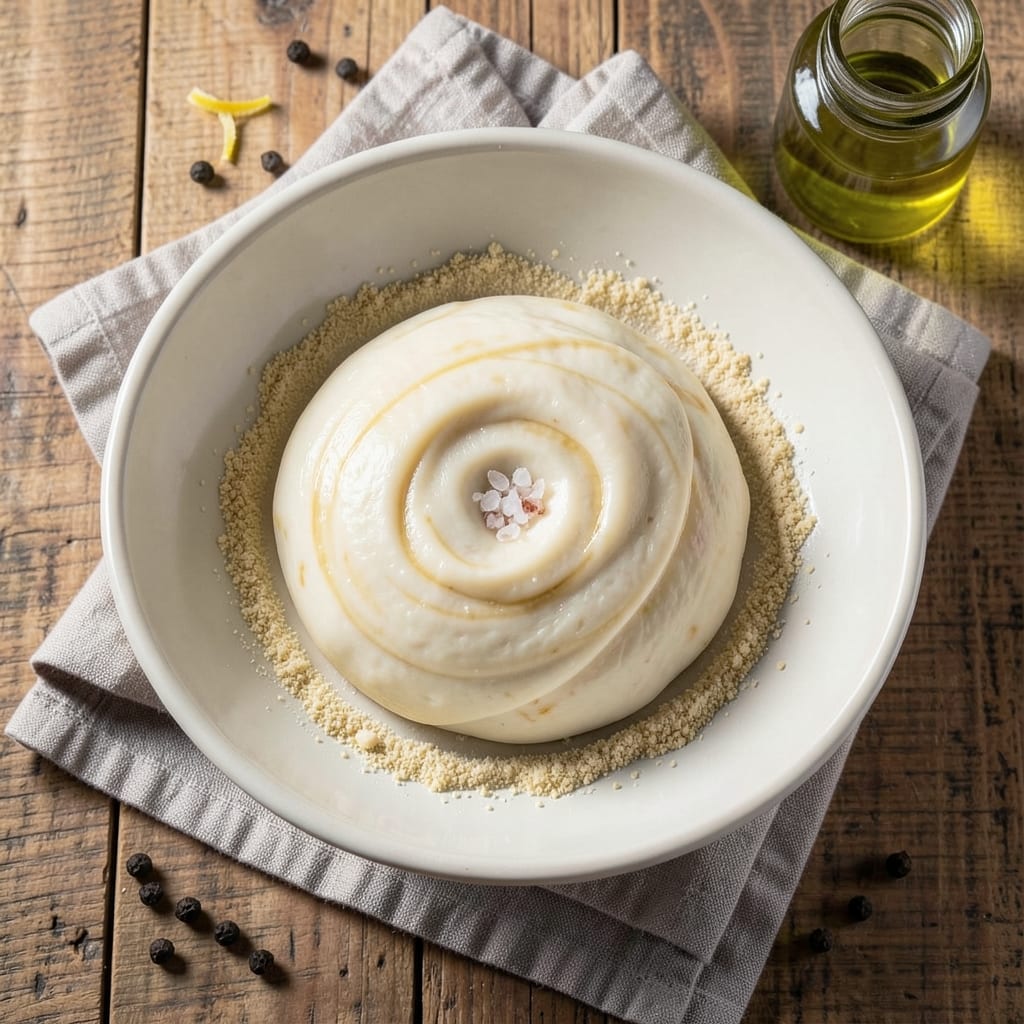
This basic egg pasta dough recipe delivers the foundation for perfectly chewy, restaurant-quality pasta in just 15 minutes—no kneading required. The secret lies in the right flour-to-egg ratio and proper resting time, which transforms simple ingredients into silky, elastic dough that holds its shape through boiling or baking. I perfected this method after years of experimenting with homemade pasta, and it’s now my go-to for everything from fresh fettuccine to delicate ravioli shells.
The process is surprisingly straightforward: combine 2 cups all-purpose flour, 3 large eggs, and a pinch of salt until a shaggy dough forms, then knead just enough to smooth it out. The dough rests for 30 minutes—this critical step develops gluten and ensures a tender, chewy texture rather than a dense, tough result. No special tools are needed, just your hands and a little patience, which makes this recipe perfect for beginners and seasoned cooks alike.
What you’ll end up with is perfectly balanced dough—neither too stiff nor too sticky—that rolls out smoothly and cooks up with that signature al dente bite. The dough keeps well in the fridge for up to 3 days or can be frozen for months, so you can always have fresh pasta on hand. Whether you’re making simple spaghetti or intricate stuffed pasta, this dough is the reliable base you’ll reach for again and again.
Once rolled and cut, your pasta will cook in just 2-4 minutes, releasing that unmistakable aroma of fresh egg pasta in your kitchen. The key to success is keeping the dough covered while resting and rolling it thinly but evenly—thicker cuts take longer to cook but hold their shape beautifully. Let’s get started on your homemade pasta journey!
Ingredients for basic egg pasta dough
Four simple ingredients transform into restaurant-quality pasta dough in minutes—no kneading needed.
| Ingredient | Amount | Notes |
|---|---|---|
| All-Purpose Flour 🌾 | 2 cups | High-protein preferred for chewiness |
| Large Eggs 🥚 | 3 whole | Room temperature for even mixing |
| Fine Sea Salt 🧂 | ¼ tsp | Diamond Crystal preferred |
| Extra-Virgin Olive Oil 🫒 | 1 tbsp | For dough elasticity |
| Semolina Flour 🌾 | ½ cup | For dusting and rolling |
| Freshly Ground Black Pepper 🌶️ | ⅛ tsp | Optional for subtle seasoning |
The flour makes all the difference here. King Arthur or Caputo are my go-tos for that perfect chew—high-protein flour develops gluten beautifully. If you're using all-purpose, sift it first for a lighter texture. Eggs should be room temperature; cold eggs make the dough tough. Trader Joe's sells pre-separated eggs at room temp if you're in a rush. The olive oil isn't just for flavor—it keeps the dough tender during the resting period. Semolina is non-negotiable for dusting; it prevents sticking better than regular flour.
No semolina? Rice flour or cornmeal works in a pinch, though it lacks that signature texture. Short on eggs? Add 1 tbsp olive oil per missing egg to maintain moisture. The salt is crucial—it balances the egg richness, but don't overdo it. Freshly ground pepper adds subtle depth, but skip it if you're making stuffed pasta where seasoning comes later. For a gluten-free version, swap the flour for a 1:1 gluten-free blend like Bob's Red Mill, but expect a slightly different texture—more tender than chewy.
Fresh dough keeps for 3 days in the fridge, wrapped tightly in plastic. For longer storage, flatten into a log, wrap in plastic, then foil, and freeze for up to 6 months. Thaw overnight in the fridge before using. The resting time is critical—30 minutes minimum—so don't rush it. If the dough feels sticky after resting, add a splash more flour; if it's too dry, a drizzle of olive oil helps. Always roll the dough between sheets of parchment paper to prevent sticking, and keep it covered with a damp towel while working.
Why You'll Love This Recipe
- No-Fuss Magic: I swear by this dough—just flour, eggs, and a pinch of salt. No yeast, no waiting, no stress. Roll it out while dinner simmers, or toss it together in a bowl between errands. That’s the beauty of egg pasta: it’s ready when you are.
- Crispy-Creamy Perfection: The semolina dust on the outside gives you that al dente crunch, while the olive oil keeps it silky inside. Honestly, nothing beats the way it clings to a simple tomato sauce or garlic butter—like a hug for your taste buds.
- Weeknight Superstar: Make a batch on Sunday, freeze half, and you’ve got dinner covered for days. (Yes, even on a Tuesday night.) It reheats like a dream—no soggy pasta here—and pairs with anything from marinara to a quick stir-fry.
- Budget-Friendly Staple: Four ingredients, zero waste. Eggs stretch the dough, the olive oil adds richness without breaking the bank, and you’ll use every last scrap. Between us, this is how I feed my family well without emptying my wallet.
Step-by-step instructions for basic egg pasta dough
Here's the foolproof method for making restaurant-quality pasta dough at home.
Combine Dry Ingredients for Optimal Texture
On a clean work surface or in a large mixing bowl, pour the 2 cups all-purpose flour and create a well in the center. This creates a natural mixing crater that makes incorporating the wet ingredients easier. Add the 0.25 teaspoon fine sea salt and 0.125 teaspoon freshly ground black pepper to the flour. Sprinkle the 1 tablespoon extra-virgin olive oil evenly over the dry ingredients.
I always use a high-protein flour for this recipe—it gives you that perfect chewy texture without being tough. The olive oil here isn't just for flavor; it adds elasticity to the dough, preventing it from becoming too stiff during rolling. Don't skip this step—it's what makes homemade pasta truly superior to store-bought.
Incorporate Eggs for Rich, Elastic Dough
Crack the 3 whole large eggs directly into the well of dry ingredients. Using your fingers or a fork, gently draw the flour into the eggs from the edges, mixing just until a shaggy dough begins to form. The dough should look rough and crumbly at this stage—this is normal and actually preferable for proper gluten development.
I've found that room-temperature eggs incorporate more smoothly into the dough. If your eggs are cold, let them sit at room temperature for about 15 minutes before using. Once the dough comes together, resist the urge to overwork it—just combine until it forms a single mass that holds together when pressed.
Form and Rest the Dough for Perfect Workability
Turn the dough out onto a lightly floured surface and gently shape it into a loose ball. Sprinkle the surface with 0.5 cup semolina flour and use your hands to knead the dough lightly for about 2 minutes, just until it becomes smooth and elastic. The semolina prevents sticking and adds a lovely texture to the finished pasta.
Here's where patience pays off: wrap the dough tightly in plastic wrap and let it rest at room temperature for at least 30 minutes. This resting period allows the gluten to relax, making the dough much easier to roll out thinly. I usually let it rest for 1 hour if I have time—this gives even better results. Don't skip this step, or you'll end up with tough, uneven pasta.
Roll and Cut for Perfect Pasta Shapes
After resting, divide the dough into 4 equal portions (about 8 ounces each). Working with one portion at a time, dust your rolling surface and pasta machine rollers with semolina flour. Set your pasta machine to the widest setting and roll the dough through once. Fold the sheet in thirds like a letter and repeat this process 2-3 times before moving to the next narrower setting.
Continue rolling the dough through progressively narrower settings until you reach your desired thickness—typically the 3rd or 4th setting for most pasta shapes. For fettuccine, aim for about 1/16-inch thickness. Dust the sheet with semolina flour as needed to prevent sticking. The flour also gives the pasta that beautiful golden finish when cooked.
Cook Immediately or Store Properly
Cut the rolled dough into your desired pasta shape using a sharp knife or pasta cutter. For fettuccine, cut into 1/4-inch wide strips. Cook immediately in boiling salted water for 2-4 minutes until al dente, or dry completely on a floured surface before storing.
If you're not cooking immediately, lay the pasta on a floured baking sheet and let it dry for 1-2 hours until firm to the touch. Store dried pasta in an airtight container in the refrigerator for up to 3 days or freeze for up to 3 months. The key to perfect homemade pasta is freshness—cooked pasta is best enjoyed within 24 hours of making.
Pro Tips For Making Basic Egg Pasta Dough
- Weigh Your Flour: I learned this the hard way—measuring flour by scooping and leveling with a knife is a disaster. Egg pasta dough needs precision: use a kitchen scale for the all-purpose flour (100g per egg, no exceptions). Packing it too tightly or using loose cups throws off the ratio, and your dough will either be gummy or dry.
- Crack Eggs Cold: Room-temperature eggs make for a smoother dough, but I’ve found cold eggs work better for this recipe—just crack them straight from the fridge. The chill helps stabilize the gluten, preventing the dough from getting too sticky too fast. (Yes, even if you’re impatient like me.)
- Knead Just Enough: This isn’t the prettiest method, but it’s the tastiest: stop kneading when the dough starts pulling away from the bowl and looks slightly opaque, not when it’s silky smooth. Overworking it makes pasta tough—aim for 8-10 minutes by hand or 3-4 minutes in a stand mixer with the dough hook.
- Rest Before Rolling: Skip the urge to roll out dough immediately—let it sit covered for at least 30 minutes. This relaxes the gluten, so it doesn’t snap when you cut the pasta. (Your future self will thank you when you’re not fighting with a stubborn sheet of dough.)
Regional styles of this basic egg pasta dough
Italian Tradition
This classic egg pasta dough traces back to Northern Italy, where it became the foundation for dishes like tagliatelle and tortellini. The flour-to-egg ratio (2:3) was perfected in regions like Emilia-Romagna, where fresh pasta was a staple for family meals. Traditional recipes often used 00 flour for its silky texture, but all-purpose flour works beautifully at home. The resting time—30 minutes minimum—is a non-negotiable step in Italian kitchens, ensuring the dough develops proper elasticity. 🌍
Roman Style
In Rome, pasta dough often includes a touch of olive oil (like in this recipe) to prevent stickiness and add richness. Roman cooks traditionally shape dough by hand into orecchiette or paccheri, using a rolling pin for thickness control. The dough is typically rolled thinner than Northern styles to create delicate, al dente results. For an authentic touch, dust your work surface with semolina flour—a Roman staple that adds texture and prevents sticking.
Southern Italian Adaptation
Southern Italy, particularly Sicily, often incorporates grated Pecorino Romano or ricotta into the dough for a richer flavor. While this recipe keeps it simple, you can add 2 tablespoons grated cheese to the dough for a Sicilian-inspired twist. The dough is often rolled slightly thicker (1/8-inch) to handle heartier sauces like pesto alla Trapanese or caponata. For a true Southern touch, finish your pasta with a sprinkle of fresh basil and a drizzle of extra-virgin olive oil.
American Homestyle
American home cooks often simplify the process by using a food processor for mixing, though I prefer the hands-on approach for better gluten development. In the U.S., this dough is a blank canvas for creativity—think spinach and cheese ravioli or sweet potato noodles for a fusion twist. For a crowd-pleasing touch, add 1/4 teaspoon nutmeg to the dough for a subtle warmth that pairs perfectly with brown butter sauce. The no-knead method makes it ideal for busy weeknights, while still delivering restaurant-quality results. 🍽️
Modern Twists
Today’s chefs are reimagining egg pasta dough with global flavors. Try swapping 1/4 cup of the flour for almond flour for a nutty, gluten-free option, or add 1 teaspoon turmeric for a vibrant golden hue (great for spring rolls). For a spicy kick, mix in 1/2 teaspoon chili flakes with the salt. The dough remains versatile—use it to make fresh gnocchi by shaping into small dumplings or lasagna sheets by rolling it extra thick. The possibilities are endless! 🌶️
Nutrition facts
Frequently asked questions
Why does the dough need to rest?
The 30-minute rest is crucial for developing gluten, which gives your pasta that perfect chewy texture. It also relaxes the dough so it rolls out smoothly without tearing. Think of it like stretching before a workout—it makes everything easier!
Can I make this dough without a pasta machine?
Roll the rested dough between two sheets of parchment paper using a rolling pin. Start with the widest setting you can achieve, then gradually roll thinner. For even thickness, fold the dough in thirds and repeat. A wine bottle works in a pinch too!
What if my dough is too sticky?
Add 1 tablespoon semolina flour at a time while kneading until the dough becomes smooth but not dry. If it's too dry, mix in 1 teaspoon olive oil and knead gently. Remember, the dough should be pliable but not sticky when rested.
How do I know when fresh pasta is cooked?
Fresh pasta cooks in 2-4 minutes in boiling salted water. Taste a piece—it should be tender but still have a slight bite (al dente). The pasta will float when fully cooked, but don't rely on that alone. Reserve 1/2 cup pasta water to adjust sauce consistency.