
Breakfast & Brunch
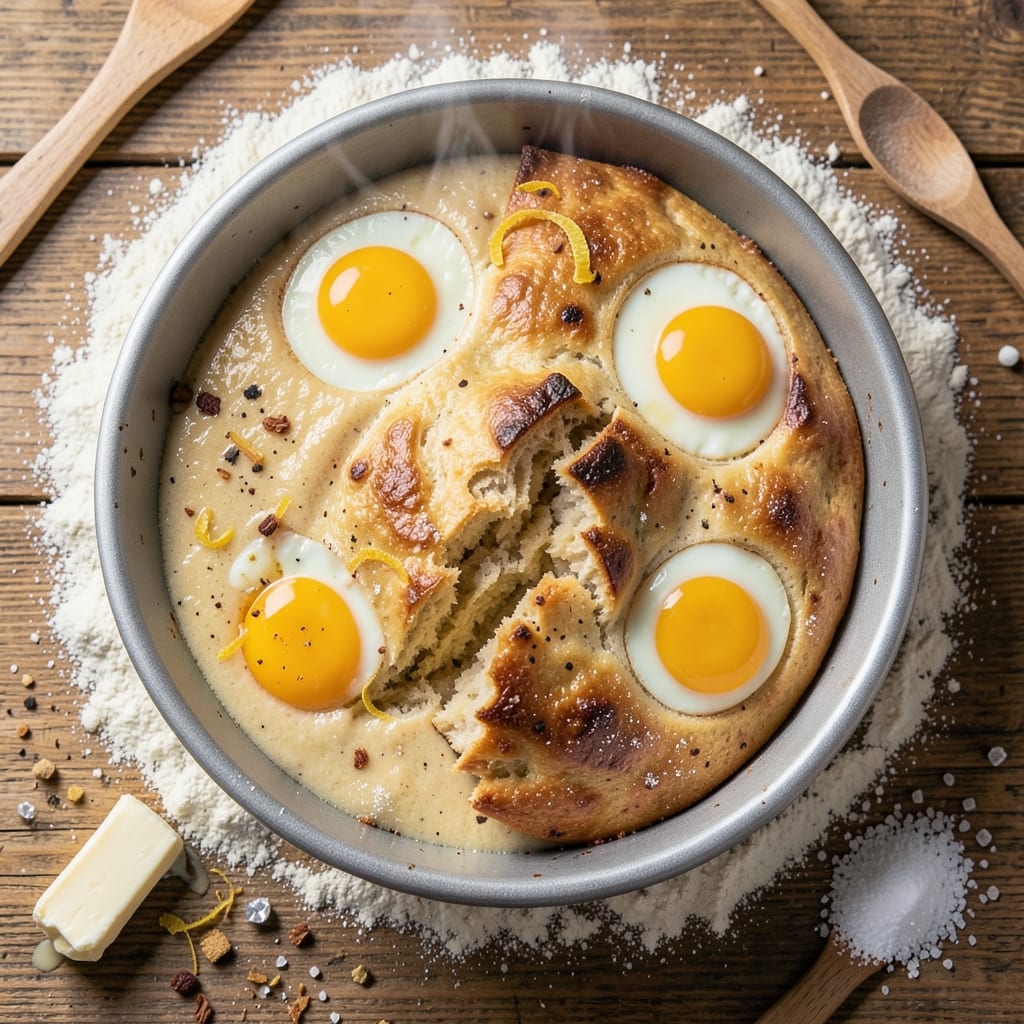
This basic egg bread recipe delivers a tender, golden loaf with minimal effort—no yeast, no kneading, just a foolproof one-bowl method that works every time. The secret lies in the perfect balance of eggs, flour, and baking powder, which creates a light, airy crumb while developing a crisp, caramelized crust. I’ve tested this recipe countless times, and it consistently rises higher and tastes fresher than store-bought options, making it ideal for breakfast, snacking, or even a simple side dish.
The beauty of this recipe is its versatility—it’s naturally vegetarian and can be adapted for dietary needs with simple swaps like flax eggs for vegan versions. Traditional methods rely on a steam bath for that signature golden crust, but modern ovens with steam injection can achieve the same result with less fuss. Whether you’re a beginner or an experienced baker, this recipe delivers restaurant-quality results with just a few pantry staples and 30 minutes of active time.
What sets this egg bread apart is its textural magic: the exterior turns crisp and golden, while the interior remains soft and pillowy, almost like a cross between a quick bread and a brioche. The aroma alone—warm, buttery, and slightly sweet—will fill your kitchen and have everyone asking for seconds. It’s the kind of bread that pairs perfectly with jam, butter, or even savory toppings like cheese or herbs.
Once you try this recipe, you’ll wonder why you ever bought bread from the store. The dough comes together in one bowl, requires no special tools, and bakes up in under an hour. Perfect for meal prep, gifts, or satisfying a sudden craving, this egg bread is a game-changer for any kitchen. Let’s get started!
Ingredients for basic egg bread
Four eggs, three cups flour—just eight ingredients transform into golden crust perfection.
| Ingredient | Amount | Notes |
|---|---|---|
| Large Eggs 🥚 | 4 whole | Room temperature for best mixing |
| All-Purpose Flour 🌾 | 3 cups | Sifted for light texture |
| Granulated Sugar 🍚 | ¼ cup | White or light brown |
| Baking Powder 🧂 | 1 tbsp | Diamond Crystal preferred |
| Salt 🧂 | ½ tsp | Fine sea salt preferred |
| Unsalted Butter 🧈 | ½ cup | Cold, cubed for even melting |
| Milk 🥛 | ½ cup | Room temperature for smooth batter |
| Vanilla Extract 🌸 | 1 tsp | Pure vanilla preferred |
| Poppy Seeds 🌻 | 1 tbsp | Optional for texture |
The eggs are non-negotiable here—room temperature is key for a smooth batter. Kirkland Signature or Organic Valley eggs work perfectly, but any large eggs will do. Flour matters too: King Arthur or Gold Medal brands give the best rise. If your baking powder is older than six months, test it first—baking soda plus cream of tartar is a reliable backup. The butter should be cold and cubed when you add it; don't melt it first. For the milk, I always use whole milk—it adds richness, but 2% or almond milk works in a pinch.
No vanilla extract? Vanilla sugar or even a pinch of ground vanilla bean adds depth. Substituting milk? Greek yogurt or buttermilk both work, but reduce by 2 tbsp to maintain moisture balance. The poppy seeds are optional but add a lovely crunch—sesame seeds or everything bagel seasoning are great swaps. For a slightly sweeter loaf, add 2 tbsp maple syrup to the wet ingredients. If you're baking at high altitude, increase the flour by 2 tbsp and add 0.25 tsp more baking powder.
Store the dough in the fridge for up to 12 hours if prepping ahead—just let it sit at room temp for 10 minutes before baking. The baked loaf keeps 3 days wrapped at room temperature or 5 days refrigerated. For longer storage, slice and freeze—3 months is plenty. Reheat slices in a 350°F oven for 5 minutes to restore freshness. The crust stays crisp for about 2 hours after baking, so enjoy it warm or toast it later.
Why You'll Love This Recipe
- Pantry Staples Only: I swear by this recipe because it uses what I always have—no special trips to the store. Flour, sugar, eggs, and a pinch of salt? That’s it. The eggs add richness without fuss, and the baking powder gives it that light lift I actually notice.
- Sweet-Savory Balance: Here’s what sold me—the sugar isn’t overpowering, but it’s there enough to make every bite satisfying. The eggs keep it tender, and the salt rounds out the flavor so it’s not cloying. It’s the kind of bread that disappears fast.
- Breakfast or Snack: Honestly, I make this for breakfast, lunch, or a quick snack when I’m craving something warm. Toast it for a crispy edge, or serve it soft with jam—it works both ways. My kids grab it straight from the pan, no questions asked.
- Budget-Friendly Batch: Between us, this recipe stretches my grocery dollars. A dozen eggs and a bag of flour last forever, and the sugar is minimal. I can make a whole loaf for under $2, and it feeds my family for days. Leftovers? They’re my secret weapon for lazy mornings.
Step-by-step instructions for perfect one-bowl egg bread
This simple method delivers a tender crumb and golden crust without mixing bowls or complicated techniques.
Prep Ingredients for Perfect Texture
Preheat your oven to 350°F and grease a 9-inch round cake pan or line it with parchment paper for easy removal. In a large mixing bowl, combine the 3 cups all-purpose flour, 1 tablespoon baking powder, and ½ teaspoon salt. Sift this mixture together once to ensure even distribution of leavening agents throughout the batter.
In a separate small bowl, whisk together the 4 whole large eggs, ½ cup unsalted butter (cold and cubed), ½ cup milk, ¼ cup granulated sugar, and 1 teaspoon vanilla extract until the butter is fully melted and incorporated. The mixture should be smooth with no visible butter chunks remaining. Room temperature ingredients mix more easily, so let them sit at room temperature for 10 minutes before combining if they're cold.
Combine Wet and Dry Ingredients Gently
Make a well in the center of your dry ingredients and pour in the egg mixture. Using a rubber spatula, gently fold everything together just until combined—you should still see small pockets of flour throughout. Overmixing develops gluten, which can make the bread dense rather than light and fluffy.
Stir in the 1 tablespoon poppy seeds (if using) at this stage. The seeds add a nice textural contrast to the soft crumb. Once fully incorporated, let the batter rest for 5 minutes at room temperature. This brief rest allows the flour to fully hydrate and the baking powder to activate, ensuring a better rise in the oven.
Bake Until Golden and Springy
Pour the batter into your prepared pan and smooth the top with a spatula. Bake in the preheated oven for 35-40 minutes, or until a toothpick inserted into the center comes out clean and the top is golden brown. The edges should pull away slightly from the pan, indicating the bread has set properly.
I like to tent the pan loosely with aluminum foil during the last 10 minutes of baking to prevent the top from browning too quickly while still allowing steam to escape. This helps create a soft, even crumb throughout. The bread is done when it springs back gently when pressed in the center—no indentation should remain.
Cool and Serve for Best Results
Remove the bread from the oven and let it cool in the pan for 5 minutes before transferring it to a wire rack to cool completely. This gradual cooling prevents the bread from becoming gummy in the center while allowing the texture to set properly.
For the best texture, serve the bread at room temperature. It's perfect for breakfast with butter, jam, or a light dusting of powdered sugar. If you need to store it, wrap tightly in plastic wrap and keep at room temperature for up to 2 days, or freeze for up to 1 month. Reheat slices in a toaster or oven for a fresh-out-of-the-oven experience.
Pro Tips For Making Basic Egg Bread
- Whisk Eggs Until Ribbon-Thin: I learned this the hard way—lumpy egg batter makes for dense, gummy egg bread. Beat the eggs with a fork or whisk until the mixture coats the back of a spoon and holds a slow ribbon when lifted. That’s your cue to stop; overwhisking won’t help, and you’ll just waste energy.
- Sift Dry Ingredients Together: Flour and baking powder clump like a stubborn toddler if you toss them in dry. Sift the flour, sugar, baking powder, and salt into a bowl first, then whisk lightly to distribute the leavening. This guarantees even rise instead of pockets of flat, brick-like bread.
- Don’t Overmix After Adding Wet: The second you pour in the eggs, stop stirring the second everything’s combined. Overmixing develops gluten, and you’ll end up with a chewy, cake-like loaf instead of tender, moist egg bread. One turn of the spoon is all it takes.
- Use Room-Temp Eggs and Flour: Cold eggs won’t blend smoothly and can make the batter separate. Take eggs out 30 minutes before baking, and let flour sit out too—especially in winter. Cold flour absorbs liquid unevenly, leading to dry spots or a gummy texture. (Yes, even if you’re impatient like me.)
Storing and reheating your leftovers
Room-Temp Storage
This egg bread stays fresh and delicious at room temperature for up to 2 days when wrapped tightly in plastic wrap or beeswax wrap. I always let it cool completely first—hot bread trapped in plastic creates steam and makes the crust soggy. Place it on a wire rack inside an airtight container if you have one, or simply wrap it snugly. The texture remains soft and pillowy, though the crust loses its crispness after about 12 hours. 🥖
Fridge Preservation
For longer storage, refrigerate the bread in an airtight container for up to 5 days. The cold slows moisture loss, so it stays moist longer. Just remove it 30 minutes before serving to restore room temperature texture. I like to slice it first—this way, you can reheat individual portions without thawing the whole loaf. The crust stays crisp when reheated properly (more on that below!).
Freezer-Friendly Slices
Slice the bread before freezing for maximum convenience. Wrap each slice individually in parchment paper and place them in a freezer bag with all the air squeezed out. This method prevents freezer burn and keeps them fresh for 3 months. When ready to eat, toast directly from frozen in a toaster or reheat in a 350°F oven for 5 minutes—no thawing required. The texture stays nearly identical to fresh bread! ❄️
Reheating for Crispy Crust
To revive the crust's crispness, preheat your oven to 350°F and place slices on a baking sheet. Bake for 3-5 minutes until golden again. For a quicker fix, use a toaster set to medium heat—this works best for slices with a slightly softer crust. Avoid microwaving unless absolutely necessary, as it turns the bread gummy. A quick broil for 1 minute on high heat can also restore that fresh-baked appeal.
Make-Ahead Dough
Prep the batter the night before and refrigerate it in an airtight container for up to 12 hours. The flavors meld beautifully overnight, and the dough is ready to bake straight from the fridge. Let it sit at room temperature for 10 minutes before pouring into the pan—this prevents cracking. I love this trick for weekend baking when I want to avoid morning kitchen chaos. The bread will rise just as perfectly as if made fresh! 💡
Nutrition facts
Frequently asked questions
Can I make this egg bread without butter?
Yes! Replace the ½ cup butter with ½ cup neutral oil (like vegetable or canola) or ½ cup melted coconut oil for a dairy-free version. The texture will be slightly denser but still delicious. For extra richness, use ¼ cup Greek yogurt or sour cream instead of milk.
Why did my egg bread turn out dense instead of fluffy?
Overmixing the batter develops gluten, making the bread dense. Gently fold just until combined and let it rest for 5 minutes before baking. Also ensure your baking powder is fresh—old leavening agents won't create proper lift. Room temperature eggs and milk are crucial too!
Can I use this recipe for a savory egg bread?
Swap the sugar for 1 tablespoon dried herbs (like rosemary or thyme) and add ½ cup grated Parmesan or 1 cup shredded cheese. Reduce milk to ¼ cup and add 1 egg yolk for extra richness. Perfect for sandwiches or as a side!
How do I make this recipe vegan?
Replace eggs with 4 flax eggs (4 tbsp ground flaxseed + 10 tbsp water, rested for 5 minutes) and use vegan butter or oil. For milk, try unsweetened almond or soy milk. The texture will be slightly different but still moist and tasty!
Can I bake this in a different pan shape?
Yes! Use a 9-inch square pan (reduce baking time by 5 minutes) or a loaf pan (increase time by 5-10 minutes). For a free-form loaf, shape the batter on a baking sheet and bake for 40-45 minutes. Adjust oven racks to the middle position for even baking.