
Soups & Stews
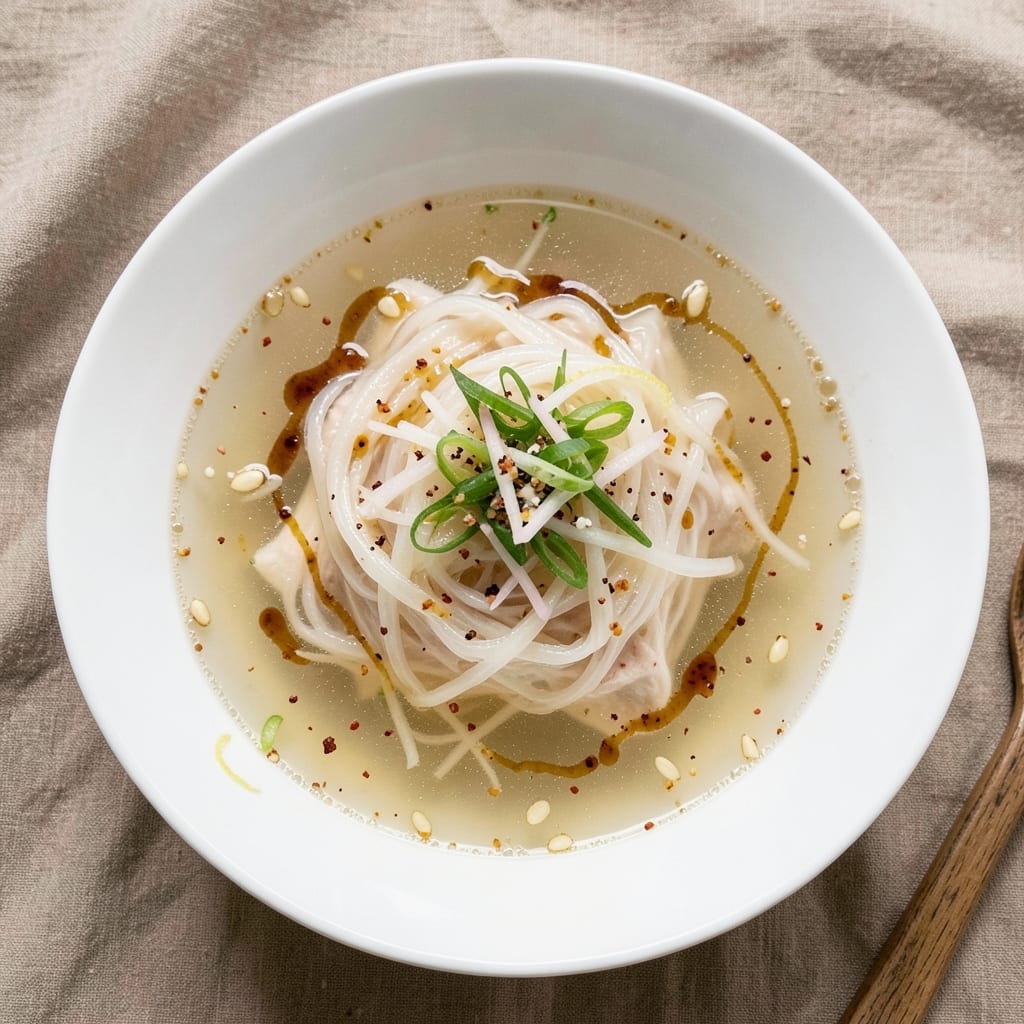
This bariatric egg drop soup recipe delivers all the comforting flavors of classic egg drop soup without the heavy ingredients. The secret lies in using low-sodium broth and just one egg white per serving to create delicate, silky ribbons that melt in your mouth. What makes this version special is how it balances protein while keeping calories in check—perfect for post-surgery nutrition without sacrificing taste.
The technique focuses on gentle cooking to preserve the egg's delicate texture while maintaining a light, digestible broth. You'll work with finely chopped scallions and a touch of ginger for aroma without bulk, then slowly drizzle the egg mixture into simmering broth to create those signature ribbons. The result is a high-protein, low-calorie soup that's gentle on digestion but packed with satisfying flavor.
What sets this apart is the portion control—just ½ to 1 cup per serving—making it ideal for bariatric diets while still feeling like a substantial meal. The broth stays clear and light, avoiding the heaviness of traditional versions, and the egg ribbons dissolve easily. This is comfort food that works for your body and your taste buds.
Ready in 15 minutes, this soup requires minimal prep but delivers maximum nutrition. The key is patience when drizzling the egg—slow, steady strokes create those perfect ribbons. Serve immediately for the best texture, and enjoy knowing you're nourishing yourself the right way.
Ingredients for bariatric egg drop soup
Light broth, delicate egg whites, and aromatic ginger transform into a protein-packed bariatric masterpiece.
| Ingredient | Amount | Notes |
|---|---|---|
| Low-Sodium Chicken Broth 🍲 | 4 cups | Homemade or high-quality store-bought |
| Large Egg Whites 🥚 | 4 whole | Separated from yolks, room temperature |
| Fresh Ginger 🧄 | ½ tsp | Finely grated, aromatic |
| Green Onions 🧅 | 2 whole | Finely chopped, white and green parts |
| Sesame Oil 🫒 | ½ tsp | For aroma, not cooking |
| Low-Sodium Soy Sauce 🍶 | ½ tsp | For subtle umami depth |
| Cornstarch 🌾 | ¼ tsp | Dissolved in 1 tbsp water |
| White Pepper 🌶️ | ⅛ tsp | Freshly ground for subtle heat |
| Garlic Cloves 🧄 | 1 clove | Minced, aromatic |
| Sesame Seeds 🌰 | ½ tsp | Toasted for garnish |
The low-sodium chicken broth is non-negotiable—look for brands like Imagine or Pacific Foods that specialize in clean ingredients. Fresh ginger is ideal, but if you're using powdered, double the amount for that zesty kick. Green onions should be vibrant, not wilted, and the white parts add extra flavor without bulk. For the egg whites, separate them carefully and let them sit at room temperature for 10 minutes before using—they'll incorporate more smoothly. Sesame oil adds depth but should be added at the very end to preserve its delicate aroma.
No fresh ginger? Powdered works in a pinch, but it lacks that bright, fresh zing. Short on egg whites? Pasteurized liquid egg whites from the store work too—just measure carefully. The cornstarch slurry is optional but helps thicken the broth slightly for better texture. If you're avoiding cornstarch, arrowroot powder works just as well. For extra protein, consider adding a splash of silken tofu blended into the broth—it dissolves completely and adds creaminess without calories. And if you're sensitive to soy, swap the soy sauce for a touch of coconut aminos instead.
Broth keeps for 3 days in the fridge or 3 months frozen—portion into ice cube trays for easy reheating. Egg whites should be used within 2 days of separation. For best results, store the ginger and green onions separately in airtight containers. The sesame seeds and oil can be kept in your pantry for 6 months—just keep them in a cool, dark place. This soup reheats beautifully—simmer gently for 2-3 minutes to maintain that silky texture. Portion into ½-cup servings for perfect bariatric portions.
Why You'll Love This Recipe
- No-Chop Needed: I swear by this—just slice that ginger thin, no dicing, no fuss. The broth does all the work while you sip your coffee, and those egg whites? They melt into silky ribbons with zero effort.
- Ginger-Zing Kick: That fresh ginger isn’t just for show—it’s the star. A tiny piece simmered in the broth unlocks this warm, bright punch that makes the soup taste like a hug for your taste buds, no heavy cream or fat needed.
- Post-Surgery Safe: Between us, this is my go-to when protein feels tricky. The egg whites pack a punch without weighing you down, and the broth’s light but satisfying—perfect for when you’re rebuilding strength but still craving something real.
- Budget Meal Magic: Honestly, this recipe costs me pennies but feels like a restaurant dish. A carton of egg whites, a ginger root, and some green onions stretch into multiple servings—ideal for when your wallet’s lighter than your appetite.
Step-by-step instructions for light bariatric egg drop soup
This gentle yet flavorful soup delivers silky egg ribbons in a nourishing broth—perfect for bariatric recovery.
Infuse the Broth with Aromatics
In a clean soup pot, combine the 4 cups low-sodium chicken broth, 0.5 tsp finely grated fresh ginger, 1 minced garlic clove, and 2 finely chopped green onions. Bring to a gentle simmer over medium-low heat—you should see tiny bubbles breaking the surface but no vigorous boiling. Simmer uncovered for 5 minutes to allow the aromatics to bloom and infuse the broth with their delicate flavors.
This step is where all the magic begins. The gentle simmer extracts maximum flavor without overpowering the light broth. If you notice any foam forming, skim it off with a spoon—it's just protein rising to the surface, and we want crystal-clear soup. Keep the heat at this level throughout the cooking process to maintain gentle heat control.
Prepare the Egg White Mixture
In a small bowl, whisk together the 4 whole large egg whites until completely frothy. In a separate tiny bowl, dissolve the 0.25 tsp cornstarch in 1 tablespoon cold water, then stir this slurry into the egg whites. Add the 0.5 tsp low-sodium soy sauce and 0.125 tsp white pepper, whisking until fully combined. The mixture should be smooth and homogeneous with no visible streaks of cornstarch.
This is your secret weapon for those signature silky egg ribbons. The cornstarch acts as a natural thickener that helps the egg whites emulsify beautifully in the hot broth. Keep this mixture at room temperature—cold egg whites will create tough strands when added to hot broth. If you're working ahead, prepare this mixture just before adding it to the soup.
Create Silky Egg Ribbons in the Broth
With the broth still gently simmering, carefully pour the egg white mixture in a slow, steady stream along the side of the pot. Use a heatproof spatula to gently stir the broth in one direction only—this creates long, delicate ribbons rather than broken pieces. Continue stirring for 1-2 minutes until the egg ribbons form completely and the mixture becomes translucent.
Here's the crucial part: timing is everything. The broth should maintain a gentle simmer but never boil vigorously. If you see any curdling or the egg mixture breaking apart, reduce the heat immediately and continue stirring gently. The perfect texture should be silky and delicate, almost like pulled taffy, rather than firm or rubbery. This is what makes this soup so satisfying yet gentle on sensitive stomachs.
Finish with Fragrant Oil and Garnish
Remove the pot from heat and stir in the 0.5 tsp sesame oil—this adds a beautiful aroma and subtle nutty flavor without altering the soup's delicate texture. Return the pot to low heat just to maintain warmth, then divide the soup among 4 bowls. Garnish each serving with a sprinkle of 0.5 tsp toasted sesame seeds and any remaining green onion tops for both visual appeal and extra flavor.
The sesame oil should be added off the direct heat to prevent it from burning and becoming bitter. This final touch elevates the soup from simple to restaurant-quality. Serve immediately while the egg ribbons maintain their delicate texture. Each spoonful should deliver that perfect balance of silky egg, aromatic broth, and subtle umami depth that makes this soup so comforting.
Pro Tips For Making Bariatric Egg Drop Soup
- STIR CONSTANTLY AT FIRST: The first 30 seconds after adding egg whites are where the magic—or the mess—happens. Use a spoon to stir vigorously in one direction until the whites begin to thicken slightly, then let the broth’s natural movement do the rest. I learned this the hard way when my soup turned into a watery egg bath because I walked away too soon.
- PEEL GINGER THIN: Skip the thick slices or grated chunks—peel your ginger into paper-thin slivers (about 1/16-inch thick) for even infusion. This way, it dissolves into the broth without leaving chewy bits, and the flavor spreads faster. My grandmother swore by this, and she was right: it makes a real difference in how smooth the soup feels.
- DON’T OVERFILL THE POT: If your broth is too full, the egg whites won’t have room to ribbon properly—they’ll just sink or clump. Aim for a broth level that’s at least 3 inches deep but leaves space for stirring. I was skeptical until I tried it: the difference in texture is noticeable, especially when you’re eating light.
- FINISH WITH COLD OIL: Drizzle sesame oil after the soup leaves the heat—it’s the only way to preserve its nutty aroma. If you add it too early, the heat will cook it off, leaving you with a bland drizzle. Sounds weird, but it works: the oil will linger on the surface like a fragrant blanket.
Storing and reheating your bariatric egg drop soup
Broth Storage Tips
Store your low-sodium chicken broth in airtight glass containers—I use Pyrex with snap-on lids for easy reheating. Keep it refrigerated for up to 3 days or freeze it in ice cube trays for 3 months. When reheating, thaw overnight in the fridge before simmering gently over low heat for 2-3 minutes to preserve clarity and flavor. 🌡️
For best results, label your containers with the date. If you're freezing, leave ½-inch headspace to prevent expansion cracks. I like to portion broth into 1-cup servings for easy single-serving reheats—perfect for bariatric portion control. Avoid microwave reheating as it can make the broth taste flat.
Egg White Handling
Use separated egg whites within 2 days of separation for optimal texture. Store them in a sealed container in the fridge, but don't let them sit too long—stale egg whites won't create those signature silky ribbons. If you need to prep ahead, make the cornstarch slurry separately and mix it with the egg whites right before cooking. 🥚
For extra protein without calories, consider adding 1 tablespoon unflavored protein powder (like Orgain or Vital Proteins) to each serving—it dissolves completely into the broth. Just whisk it into the warm broth before adding the egg mixture. This boosts protein by about 5 grams per serving without altering texture.
Reheating Perfection
Reheat this soup gently—never microwave it directly as it'll break the delicate egg texture. Instead, pour into a light-colored stainless steel pot (I use All-Clad) and simmer over low heat for 3-4 minutes, stirring constantly. The goal is to warm through without cooking the egg ribbons further. 🔥
If your soup seems too thick after reheating, add 1-2 tablespoons warm broth and stir until smooth. For extra freshness, finish with a drizzle of sesame oil and a sprinkle of toasted sesame seeds—this restores the aroma and makes it taste like you just made it. Store reheated soup for up to 2 days in the fridge.
Portion Control
For bariatric-friendly servings, divide the soup into ½-cup portions before reheating. Use small glass ramekins (like Pyrex mini dishes) for easy handling and portion tracking. Each serving contains about 150 calories and 12 grams protein—ideal for post-surgery nutrition. 💪
If you're meal prepping, store individual portions in single-serving containers with tight lids. Reheat just one serving at a time to maintain freshness. For variety, try serving with steamed edamame or a side of baked tofu—both add protein without extra calories. Always check portion sizes against your dietitian's guidelines.
Nutrition facts
Frequently asked questions
Can I use whole eggs instead of just egg whites in this bariatric version?
It's best to stick with egg whites only for this recipe. Whole eggs add fat and calories that may be difficult to digest post-surgery. If you need more protein, consider adding 1 tablespoon unflavored protein powder to each serving instead—it dissolves completely without altering texture or adding fat.
How do I prevent the egg ribbons from breaking when adding them to the broth?
Keep the broth at a gentle simmer (tiny bubbles, not rolling boil) and add the egg mixture slowly along the side of the pot. Use a heatproof spatula to stir in one direction only—this creates long strands. If the broth boils, reduce heat immediately to avoid curdling. The key is patience and steady temperature control.
Is this soup suitable for the dumping syndrome phase after bariatric surgery?
<Yes, this recipe is designed to be gentle on sensitive stomachs. The low-sodium broth, finely chopped ingredients, and easy-to-digest egg whites make it ideal for early recovery. Serve ½ cup portions and avoid adding any thickeners beyond the minimal cornstarch slurry. Always consult your dietitian for personalized timing recommendations.
Can I make this soup with vegetarian or vegan ingredients?
Replace the chicken broth with low-sodium vegetable broth and use 1 tablespoon nutritional yeast or 1 tsp miso paste for umami depth. For the egg component, try silken tofu blended with water (1:1 ratio) and a pinch of turmeric for color. The technique remains the same—drizzle the tofu mixture into gently simmering broth.
Why does my egg drop soup look different from traditional versions?
This bariatric version intentionally skips heavy cream and uses egg whites only for a lighter texture. The ribbons will be delicate and translucent rather than thick and opaque. The broth stays clear because we avoid heavy seasonings and oils. Think of it as a protein-forward, digestion-friendly interpretation that still delivers that comforting egg drop experience.