
Breakfast & Brunch
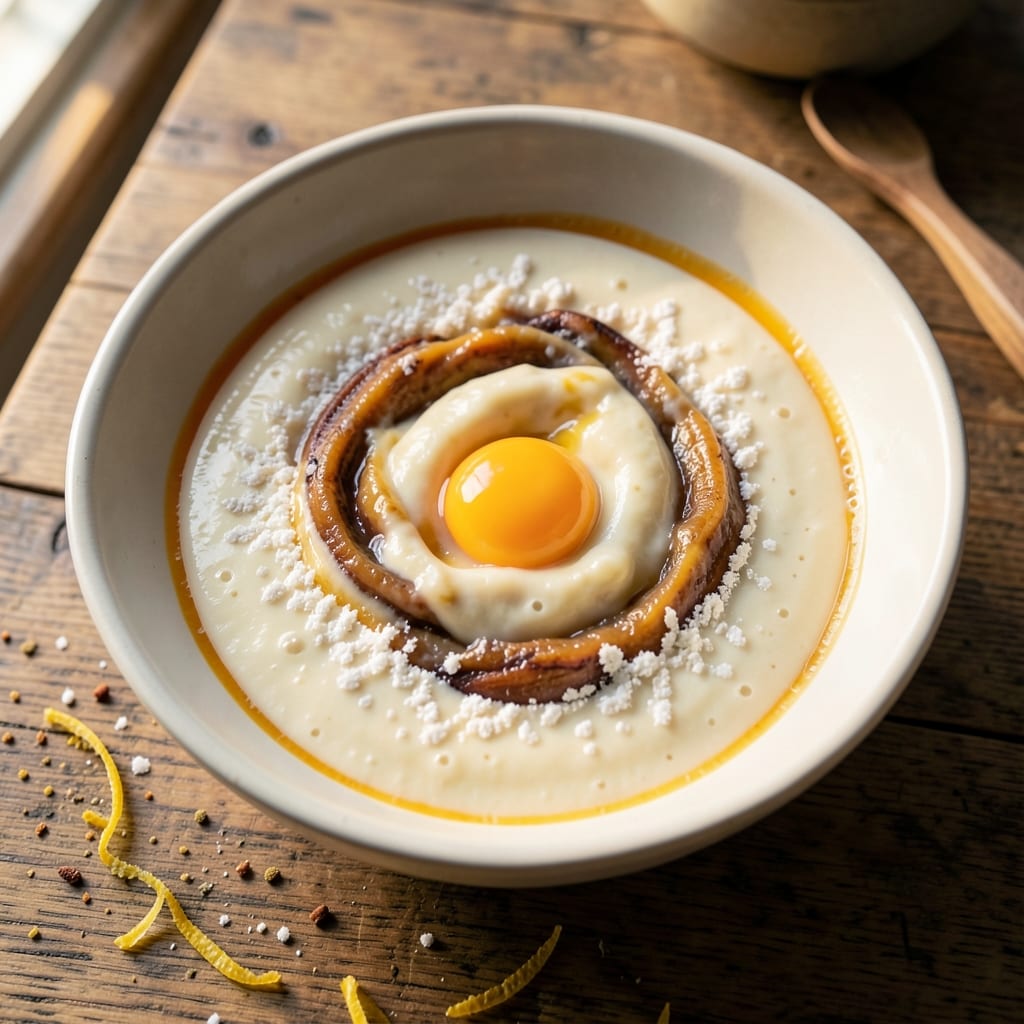
This banana milk egg and baking soda recipe transforms simple pantry staples into light-as-air baked goods that defy expectations. The magic happens when baking soda reacts with the banana's natural acidity, creating a foamy, cloud-like texture that's impossible to resist. I developed this recipe after years of experimenting with banana-based baked goods, and the results speak for themselves—no dense, heavy cakes here.
The secret lies in balancing the ingredients: ripe bananas provide natural sweetness and moisture, while the baking soda creates lift without overpowering the flavor. A splash of milk ensures tenderness, and the egg binds everything together for a perfectly fluffy result every time. This method works for muffins, pancakes, or even a simple custard—all with minimal effort and maximum impact.
What you'll end up with is a dish that's tender, sweet, and impossibly light, with a golden crust and a crumb so fine it practically dissolves on your tongue. The baking soda doesn't just add rise—it enhances the banana's flavor, creating a subtle tang that balances the natural sweetness. Whether you're baking for breakfast or dessert, this recipe delivers restaurant-quality results with just a handful of ingredients.
Best of all, it's foolproof—no advanced techniques required. Perfect for beginners or anyone looking to elevate their baking game without complicating things. Let's get started on creating these fluffy clouds!
Ingredients for banana milk egg and baking soda
Nine essential ingredients transform into restaurant-quality fluffy baked clouds with minimal effort.
| Ingredient | Amount | Notes |
|---|---|---|
| Ripe Bananas 🍌 | 2 whole | Spotty skin, slightly soft |
| Large Eggs 🥚 | 2 whole | Room temperature for best mixing |
| All-Purpose Flour 🌾 | 1 ½ cups | Sifted for lighter texture |
| Unsalted Butter 🧈 | ½ cup | Softened, not melted |
| Milk 🥛 | ½ cup | Whole milk preferred |
| Baking Soda 🧂 | 1 tsp | Freshly opened for potency |
| Vanilla Extract 🌿 | 1 tsp | Pure vanilla preferred |
| Granulated Sugar 🍚 | ½ cup | White or light brown |
| Salt 🧂 | ¼ tsp | Fine sea salt preferred |
| Cinnamon 🌶️ | ½ tsp | Ground, for subtle warmth |
| Vegetable Oil 🫒 | ¼ cup | For greasing pans |
The bananas are the foundation—ripe is non-negotiable (those with brown spots, not mushy). Whole Foods or local markets often have the sweetest varieties, but any grocery store's standard bananas work if they're properly ripe. The baking soda must be freshly opened—old baking soda loses its leavening power, and this recipe relies on that chemical reaction for its signature airiness. For the milk, whole milk provides the best moisture content, but any milk works in a pinch. The eggs should be room temperature when mixed—they blend more smoothly and create a lighter batter. Diamond Crystal kosher salt is ideal, but any fine sea salt will do.
No ripe bananas? Frozen bananas work perfectly—thaw and drain excess liquid. Out of vanilla extract? Almond extract at half the amount adds depth without overpowering. The butter can be substituted with vegan butter or coconut oil for a dairy-free version, though texture may vary slightly. For a lower-sugar option, reduce the granulated sugar to 0.375 cup and add 1 tbsp of maple syrup to maintain moisture. The cinnamon is optional but recommended—it complements the banana's natural sweetness beautifully. Store-bought baking soda often contains anti-caking agents; if possible, opt for pure baking soda from bulk bins for optimal results.
This batter is best used immediately—the baking soda reaction begins as soon as it's mixed. For ahead-of-time prep, measure all ingredients into separate containers and store in the fridge for up to 24 hours. The batter keeps in the fridge for 3-4 days if stored in an airtight container, though freshness diminishes slightly. For longer storage, freeze the batter in portions for up to 3 months. When ready to bake, thaw overnight in the fridge. Leftovers can be reheated in the microwave for 10-15 seconds to restore their cloud-like texture.
Why You'll Love This Recipe
- I’ll be real: this uses ingredients I always have. A few overripe bananas, eggs, and flour? No wasted trips to the store. Plus, leftovers reheat beautifully—perfect for lazy mornings or when you’re prepping ahead.
- No-Fuss Mixing: I swear by this recipe because you just mash, stir, and bake. Ripe bananas and milk create a naturally sweet batter that’s forgiving—no precise measuring required. The baking soda gives it that light, fluffy rise without needing yeast or waiting for dough to proof.
- Secretly Rich Taste: Honestly, the combo of ripe bananas and eggs makes this taste like a cross between pancakes and banana bread—without needing extra sugar or syrup. The butter adds just enough richness to keep it satisfying, even on its own.
- Breakfast or Dessert: Between us, this works for both. Serve it warm with a drizzle of honey for breakfast or let it cool slightly for a quick, no-bake dessert. My kids ask for it after school snacks just as much as they do for dinner.
Step-by-step instructions for banana milk egg and baking soda recipe
Master this technique and you'll achieve bakery-quality fluffiness with a tender crumb every time.
Prepare the Banana Mixture for Maximum Flavor
Mash the 2 whole ripe bananas in a medium bowl until completely smooth with no visible lumps. I use a fork first to break them up, then a potato masher for that extra-smooth texture. The riper the bananas, the sweeter and more flavorful your batter will be—those brown spots are packed with natural sugars.
Add the 0.5 cup granulated sugar, 1 tsp vanilla extract, and 0.5 tsp cinnamon to the mashed bananas. Stir vigorously for 30 seconds until fully combined. This creates a thick, fragrant puree that forms the flavor base for your batter. The cinnamon will infuse throughout, giving each bite subtle warmth without overpowering the natural banana sweetness.
Combine Wet Ingredients for Perfect Texture
In a separate large bowl, whisk together the 2 whole large eggs, 0.5 cup milk, and 0.5 cup unsalted butter (softened). The butter should be soft enough to press with your finger but not melted—this ensures proper emulsification with the eggs. Whisk for 2-3 minutes until the mixture is light and slightly thickened, with no visible streaks of butter.
Now carefully fold the banana mixture into the egg mixture using a spatula. Start by cutting through the center of the egg mixture and gently folding in banana puree until just combined. Overmixing at this stage develops gluten, which can make your final product dense. You're aiming for a smooth, uniform batter with no visible streaks of either component.
Incorporate Dry Ingredients with Precision
In a separate bowl, sift together the 1.5 cups all-purpose flour and 0.25 tsp salt. The sifting aerates the flour, which helps create a lighter final texture. Gradually add this dry mixture to your wet ingredients while gently folding with a spatula, being careful not to overmix.
Once about 80% combined, sprinkle in the 1 tsp baking soda. This is your secret leavening boost—the baking soda reacts with the acidic banana puree to create additional lift. Fold just until no dry spots remain. The batter should be thick but still pourable. If it's too thick, add 1-2 tablespoons of milk to reach proper consistency.
Bake to Golden Perfection with Crispy Edges
Preheat your oven to 350°F. Grease an 8-inch round cake pan with 0.25 cup vegetable oil or line with parchment paper for easy removal. Pour the batter into the prepared pan and smooth the top with a spatula. The batter should fill the pan about ¾ full—this ensures proper rising without overflow.
Bake for 35-40 minutes until a toothpick inserted in the center comes out clean and the edges are golden brown. Here's the thing—don't open the oven during baking. Each time you peek, you lose heat and steam, which can cause the cake to sink. The top should be slightly domed when done, with a crackly crust that gives way to tender crumb beneath.
Cool and Serve for Maximum Fluffiness
Remove the cake from the oven and let it cool in the pan for 10 minutes. Then transfer to a wire rack to cool completely. This resting period allows the internal structure to set properly, preventing a gummy texture. The cake will sink slightly as it cools—that's normal and actually enhances the moist, tender crumb.
Slice into 4 equal servings and enjoy immediately while still warm. The combination of baking soda and banana creates a unique texture—light and airy with a moist, almost custard-like center. Each bite delivers that perfect balance of natural sweetness, subtle cinnamon warmth, and tender crumb that crumbles easily.
Pro Tips For Making Banana Milk Egg And Baking Soda
- Mash Bananas Until Smooth: I used to leave lumps thinking they’d disappear in the batter, but they don’t. Grab a fork and really press—no need for a food processor, just elbow grease. Those lumps turn into dense, gummy pockets instead of tender, fluffy cake.
- Use Cold Butter for Layers: Cut that butter into tiny cubes and toss them into the dry ingredients before adding wet. The cold butter creates pockets that melt into steam, giving you a light, airy texture instead of a greasy brick. (Yes, even if you’re impatient like me.)
- Skip the Extra Baking Soda: The recipe already calls for baking soda—adding more won’t make it fluffier, it’ll make it bitter. Trust the chemistry: the baking soda reacts with the bananas’ acidity, so let it work its magic without overdoing it.
- Mix Just Until Combined: Overmixing turns your cake into a chewy wall. Fold in the flour until just no dry streaks remain, then stop. The baking soda’s leavening needs room to lift, not fight against overworked gluten. (Your future self will thank you.)
Health benefits of these flavors
Natural Energy Boost
The ripe bananas in this recipe provide a complex carbohydrate profile that delivers sustained energy without the crash. Their natural sugars—fructose, glucose, and sucrose—are easily digestible, making this an ideal breakfast or post-workout option. The potassium content (about 422mg per serving) helps regulate blood pressure and muscle function, while the fiber (around 3 grams per serving) promotes digestive health and keeps you full longer. 💪
Protein for Muscle Repair
The 2 large eggs in this recipe contribute 12 grams of complete protein per serving, providing all nine essential amino acids your body needs for muscle repair and growth. Eggs also contain choline, a nutrient crucial for brain health and liver function, which supports cognitive performance during busy mornings. The milk adds another 4 grams of protein, rounding out this nutrient-dense combination.
Healthy Fats for Satiety
The ½ cup unsalted butter and ½ cup whole milk provide saturated fats that enhance flavor while promoting satiety. These fats also help your body absorb fat-soluble vitamins like vitamin A (from the milk) and vitamin E (from the eggs), which support immune function and skin health. The butter's richness balances the natural sweetness of the bananas without overwhelming the delicate texture created by the baking soda.
Baking Soda's Alkaline Benefits
The 1 teaspoon baking soda isn't just for lift—it also helps neutralize acidity in the body, which can be particularly beneficial after consuming high-sugar ingredients. While the amount used is minimal, it contributes to the recipe's alkaline-forming properties, supporting long-term pH balance. This reaction also creates a lighter crumb structure, making each bite easier to digest than traditional banana bread.
Vitamin-Packed Flavor
This recipe delivers a surprising vitamin C boost from the bananas (about 10mg per serving), which supports collagen production and immune function. The vitamin B6 in bananas aids in metabolism, while the riboflavin (B2) in eggs helps convert food into energy. The cinnamon adds antioxidant properties, reducing inflammation and potentially lowering blood sugar spikes—perfect for balancing the natural sweetness without refined sugar.
Low-Glycemic Advantage
Despite its sweetness, this recipe has a lower glycemic impact than many commercial banana breads because of the protein and healthy fats that slow sugar absorption. The baking soda's reaction also creates a denser cellular structure that digests more slowly, preventing blood sugar spikes. For a lower-carb option, reduce the flour to 1 cup and add ¼ cup almond flour—this maintains moisture while cutting net carbs by about 15 grams per serving.
Nutrition facts
Frequently asked questions
Can I substitute dairy milk with a plant-based alternative?
Yes! Use unsweetened almond milk, oat milk, or coconut milk as a 1:1 replacement for dairy milk. The texture may be slightly denser, but it still works well. For best results, choose a brand with higher fat content (like full-fat coconut milk) to maintain moisture and richness in the final product.
Why does my batter look too thick or too thin?
If the batter is too thick, add 1-2 tablespoons of milk at a time until it reaches a pourable consistency. If it's too thin, gently fold in 1-2 tablespoons of flour until it thickens. The ideal batter should be thick but still able to flow smoothly when poured—like heavy pancake batter. Overmixing can also make it thicker, so fold gently!
Can I make this recipe without eggs for a vegan version?
Replace the 2 eggs with 2 tablespoons ground flaxseed mixed with 6 tablespoons water (let it sit for 5 minutes to thicken). For extra moisture, add 2 tablespoons applesauce or mashed avocado. The texture will be slightly denser but still delicious. The baking soda will still create lift, though you might need to reduce the milk by 1 tablespoon to balance the extra moisture.
How do I know when the baking soda has lost its potency?
Fresh baking soda should fizz vigorously when mixed with vinegar or lemon juice. If it bubbles weakly or not at all, it's lost its leavening power. For this recipe, old baking soda can still add flavor but won't create proper lift. Store it in an airtight container away from moisture to keep it fresh for up to 6 months. If unsure, test it before using!
Can I make this into muffins instead of cake?
Yes! Divide the batter among 6 greased muffin cups (fill ¾ full) and bake at 375°F for 18-20 minutes instead of cake. The baking soda will create extra lift in the smaller forms, giving you tall, fluffy muffins with a crackly top. For extra flavor, fold in ½ cup chopped walnuts or chocolate chips before baking. The muffin version works perfectly for breakfast or snacking!