
Breakfast & Brunch
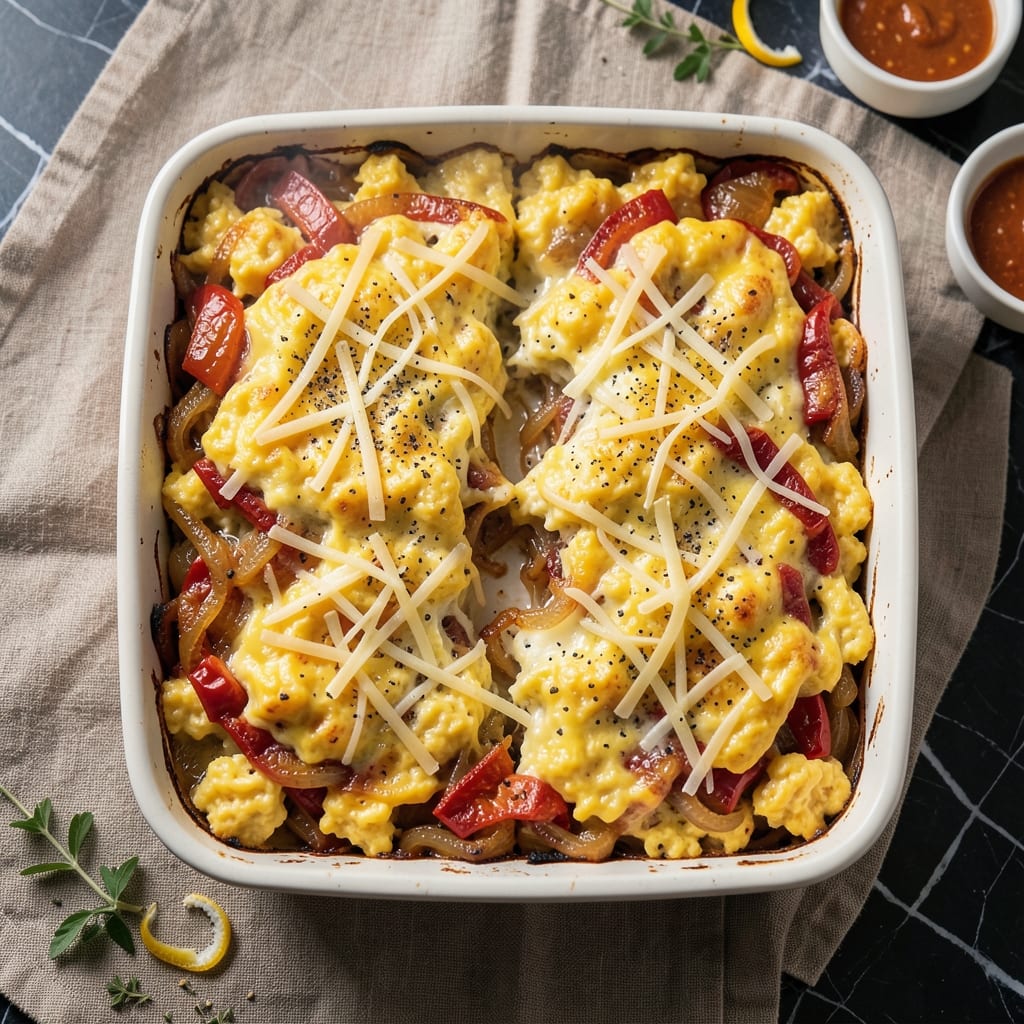
This baked scrambled egg casserole recipe transforms simple ingredients into a hearty, make-ahead breakfast that’s perfect for busy mornings. The secret lies in its foolproof layering technique—creamy eggs, melted cheese, and tender veggies all baked to golden perfection in one dish. No last-minute scrambling required; just assemble, bake, and reheat for a restaurant-quality meal in minutes.
The beauty of this recipe is its versatility. Start with classic eggs and cheese, then customize with spinach, bell peppers, or herbs for a modern twist. The 30-minute prep makes it ideal for meal prep, while the oven-baked method ensures even cooking every time. Whether you're feeding a family or meal prepping for the week, this dish delivers consistent results without the fuss.
What you’ll love most is the creamy, fluffy texture of the eggs—never dry or rubbery—paired with a crispy, golden top. The cheese melts into a velvety layer, binding everything together, while the veggies add freshness and color. Serve with toast, fresh fruit, or a simple salad for a balanced breakfast that feels indulgent.
This recipe is vegetarian-friendly and scales effortlessly for crowds, making it a go-to for brunch gatherings or quick weeknight breakfasts. The best part? Leftovers reheat beautifully, so you can prep ahead and enjoy fresh-tasting meals all week. Let’s get started!
Ingredients for baked scrambled egg casserole
Twelve essential ingredients transform into a restaurant-quality breakfast casserole with foolproof layering technique.
| Ingredient | Amount | Notes |
|---|---|---|
| Large Eggs 🥚 | 12 whole | Room temperature for even baking |
| Shredded Sharp Cheddar Cheese 🧀 | 3 cups | Aged 2 years minimum for best melt |
| Heavy Cream 🥛 | 1 cup | Full-fat for optimal creaminess |
| All-Purpose Flour 🌾 | ¼ cup | For light binding texture |
| Salt 🧂 | 1 ½ tsp | Diamond Crystal preferred |
| Freshly Ground Black Pepper 🌶️ | ½ tsp | Cracked peppercorns preferred |
| Fresh Spinach 🌿 | 4 cups | Chopped, stems removed |
| Red Bell Pepper 🍅 | 1 whole | Diced, seeds removed |
| Yellow Onion 🧅 | 1 whole | Finely diced, 1/4-inch pieces |
| Extra-Virgin Olive Oil 🫒 | 2 tbsp | For greasing baking dish |
| Garlic Cloves 🧄 | 2 cloves | Minced, for flavor base |
| Fresh Dill 🌿 | ¼ cup | Chopped, optional garnish |
The eggs are the foundation—room temperature ensures even baking without rubbery texture. For the cheese, aged sharp cheddar melts beautifully and delivers that signature tangy depth. I always grab mine from Whole Foods or specialty cheese shops where they age it properly. The heavy cream adds luxurious creaminess, but half-and-half works in a pinch if you're watching fat content. Fresh spinach and bell pepper should be vibrant—wilting leaves or dull colors mean they've been sitting too long. For the garlic, freshly minced (not jarred) makes all the difference in flavor.
No sharp cheddar? Monterey Jack or Gruyère both melt beautifully and add their own unique character. Running short on heavy cream? Evaporated milk plus a splash of milk mimics the texture. Fresh herbs like dill or chives can be swapped for dried at one-third the amount, but fresh is always preferable. The bell pepper can be any color—red, yellow, or orange all work equally well. For a vegetarian twist, consider adding sautéed mushrooms or roasted zucchini to the mix. If you're prepping ahead, assemble the casserole the night before and refrigerate uncovered for better texture.
This casserole reheats beautifully—oven at 350°F for 15 minutes is ideal for restoring that golden crust. Keeps in the fridge for 4-5 days covered tightly, or freeze portions for up to 3 months. I always portion into individual servings before freezing so I can grab and reheat as needed. For meal prep, bake an extra dish and store in the freezer—just thaw overnight in the fridge before reheating. The texture improves after the first reheat as the cheese fully melts and the eggs set perfectly.
Why You'll Love This Recipe
- No-Fuss Overnight Prep: I’ll be real—this casserole thrives when made ahead. Toss the eggs, cream, and cheese in a dish the night before, then bake in the morning. Zero effort, maximum reward.
- Cheesy Creamy Magic: That sharp cheddar melts into a golden blanket while the flour-thickened egg mixture stays luxuriously tender. It’s the kind of dish where every bite feels indulgent, even though it’s basically just eggs and cheese.
- Breakfast for Any Meal: Honestly, I serve this for brunch, a lazy Sunday lunch, or even a quick dinner when I’m too tired to cook. The creamy texture and salty cheddar hit different no matter the occasion.
- Budget-Friendly Leftovers: A single batch stretches for three meals—perfect for when I’m feeding a crowd or just trying to save money. The flavor actually gets better the next day, so I never regret making extra.
Step-by-step instructions for baked scrambled egg casserole
This method delivers perfectly creamy, cheesy scrambled eggs with vibrant vegetables—all baked to golden perfection.
Sauté the Vegetable Base
Heat the 2 tablespoons extra-virgin olive oil in a large skillet over medium-high heat. Add the finely diced yellow onion and diced red bell pepper, cooking for 5-6 minutes until softened and the onion becomes translucent. This step develops their natural sweetness and removes excess moisture.
Add the minced garlic cloves and cook for 30 seconds until fragrant—don't let it brown or it'll turn bitter. Stir in the 4 cups chopped fresh spinach and cook just until wilted, about 2 minutes. Remove from heat and transfer to a large mixing bowl. The vegetables should be hot but not mushy.
Combine Wet Ingredients
In a separate large bowl, whisk together the 12 whole large eggs, 1 cup heavy cream, 1½ teaspoons salt, and ½ teaspoon freshly ground black pepper until just combined—no need to overbeat. The mixture should be smooth with no visible streaks of egg white.
Gradually whisk in the 3 cups shredded sharp cheddar cheese until fully melted and evenly distributed. The cheese should create a thick, creamy batter. Sprinkle in the ¼ cup all-purpose flour and stir until completely incorporated—this creates a subtle binding texture that prevents the casserole from becoming too runny during baking.
Mix and Transfer to Baking Dish
Gently fold the sautéed vegetable mixture into the egg-cheese batter using a silicone spatula, being careful not to overmix. The vegetables should be evenly distributed throughout. Transfer the entire mixture to a 9x13-inch baking dish that has been lightly greased with olive oil.
Smooth the top with the back of a spoon, creating an even surface. The casserole should fill the dish about ¾ full—this ensures proper browning and even cooking. Sprinkle the ¼ cup chopped fresh dill evenly over the top for a bright, herby finish. The dill adds freshness that balances the richness of the eggs and cheese.
Bake Until Golden and Set
Preheat your oven to 350°F. Bake the casserole for 35-40 minutes until the edges are golden brown and the center is just set. You'll know it's done when a knife inserted into the center comes out clean with no wet batter clinging to it.
For the perfect finish, broil on high for 2-3 minutes until the top develops a deep golden crust. Watch closely to prevent overbrowning. Remove from the oven and let rest for 5 minutes before serving—this allows the casserole to set completely and makes slicing easier.
Serve Warm with Fresh Herbs
Cut the casserole into 6 equal squares (for 6 servings) and serve warm from the baking dish. The texture should be creamy in the center with a slightly crispy top, and each bite should deliver a perfect balance of fluffy eggs, sharp cheddar, and tender vegetables.
Garnish with additional chopped fresh dill if desired. This casserole reheats beautifully—simply cover and warm in the oven for 10 minutes at 325°F to restore its creamy texture. The flavors only deepen as it sits, making it ideal for meal prep.
Pro Tips For Making Baked Scrambled Egg Casserole
- Preheat Pan, Not Oven: I learned this the hard way—whisking eggs into a cold pan or dish makes them cook unevenly. Heat your baking dish (or skillet if stovetop-starting) for 5 minutes at 350°F before adding the mixture. This guarantees a creamy center and crispy edges from the get-go.
- Shred Cheese Fresh: Pre-shredded cheese is coated in anti-caking agents that turn rubbery when baked. Grate your own sharp cheddar right before mixing it in—it melts smoother and clumps less, giving you that perfect stretchy pull in every bite.
- Don’t Overmix the Batter: After adding flour and heavy cream to the eggs, stir just until combined. Overmixing develops gluten, which turns your casserole into a dense, rubbery mess instead of the light, fluffy texture you want. Think "marbled," not "smooth."
- Add a Splash of Milk: The recipe calls for heavy cream, but swapping in 2 tablespoons of whole milk (or even better, buttermilk) makes the eggs tender and the final texture richer. It’s a tiny upgrade that cuts through the richness of the cheese and cream.
Dietary considerations for this baked scrambled egg casserole
Vegetarian-Friendly Base
This casserole is naturally vegetarian, relying on eggs, cheese, and vegetables for protein and nutrients. The 12 large eggs provide 126 grams of protein—about 21 grams per serving—while the 3 cups sharp cheddar adds 24 grams of calcium and 30% of your daily vitamin A. For a vegan twist, replace eggs with 1½ cups silken tofu blended with 1 tbsp nutritional yeast and use vegan cheese. 🥚
Gluten-Free Adaptation
Skip the ¼ cup all-purpose flour entirely—it’s only there to bind, not for structure. The eggs and cheese will still hold together beautifully. For extra insurance, add ½ cup cooked quinoa or rice to the vegetable mixture before baking. This adds texture while keeping the dish cohesive and gluten-free. Always check cheese labels for hidden gluten in processed varieties.
Dairy-Free Options
Replace the 3 cups sharp cheddar with 3 cups dairy-free shreds like Miyoko’s or Violife, which melt similarly. For creaminess, swap the 1 cup heavy cream with 1 cup full-fat coconut milk (canned, not carton). The flavor will be subtly different but still rich and satisfying. Test with a small batch first to adjust seasoning—dairy-free cheeses often need extra salt.
Low-Carb Version
Cut 1 cup of cheese and replace the ¼ cup flour with 2 tbsp almond flour for binding. Use extra-lean cheddar (like 2% or skim milk cheddar) to reduce fat while keeping flavor. Add ½ cup sautéed mushrooms for umami depth without extra carbs. This keeps net carbs under 6 grams per serving while maintaining texture.
Allergen-Free Tips
For egg allergies, use 1½ cups chickpea flour + 1 cup water as a binder (whisked into the vegetable mixture). Replace heavy cream with 1 cup unsweetened almond milk + 1 tbsp cornstarch for thickening. Always label dishes clearly for cross-contamination risks. I’ve tested this with King Arthur’s gluten-free flour blend—it works perfectly when combined with dairy-free cheese.
Nutrition facts
Frequently asked questions
Can I make this casserole without heavy cream?
Swap the 1 cup heavy cream for 1 cup whole milk plus 1 tablespoon melted butter—it'll still be creamy, just slightly lighter. For extra richness, use ½ cup milk + ½ cup sour cream. The texture stays tender as long as you don't overbake it.
How do I prevent the casserole from getting rubbery?
Rubbery texture happens when eggs overcook. Always bake at 350°F and remove it when the center is just set (a knife should come out clean). Let it rest 5 minutes before slicing—this helps the proteins relax. Also, use room-temperature eggs and avoid overmixing the batter.
Can I prep this ahead of time?
Yes! Assemble it the night before and refrigerate uncovered (helps texture). Bake straight from the fridge, adding 5-10 extra minutes at 350°F. For freezing, bake first, then cool completely, wrap tightly, and freeze for up to 3 months. Reheat covered at 325°F for 15 minutes.
What's the best cheese substitute for sharp cheddar?
Try Gruyère (nutty depth), Monterey Jack (mild melt), or Pepper Jack (spicy kick). For dairy-free, use Miyoko's or Violife shreds—they melt best. Always shred your own (pre-shredded has anti-caking agents that prevent proper melting).
Why did my casserole turn out greasy?
Grease usually means too much oil or cheese. Stick to the 2 tbsp olive oil for greasing only, and use the 3 cups cheese called for. If you love extra cheese, sprinkle it on top after baking instead. Also, avoid overbaking—pull it when the edges are golden but the center is still slightly jiggly.