
Breakfast & Brunch
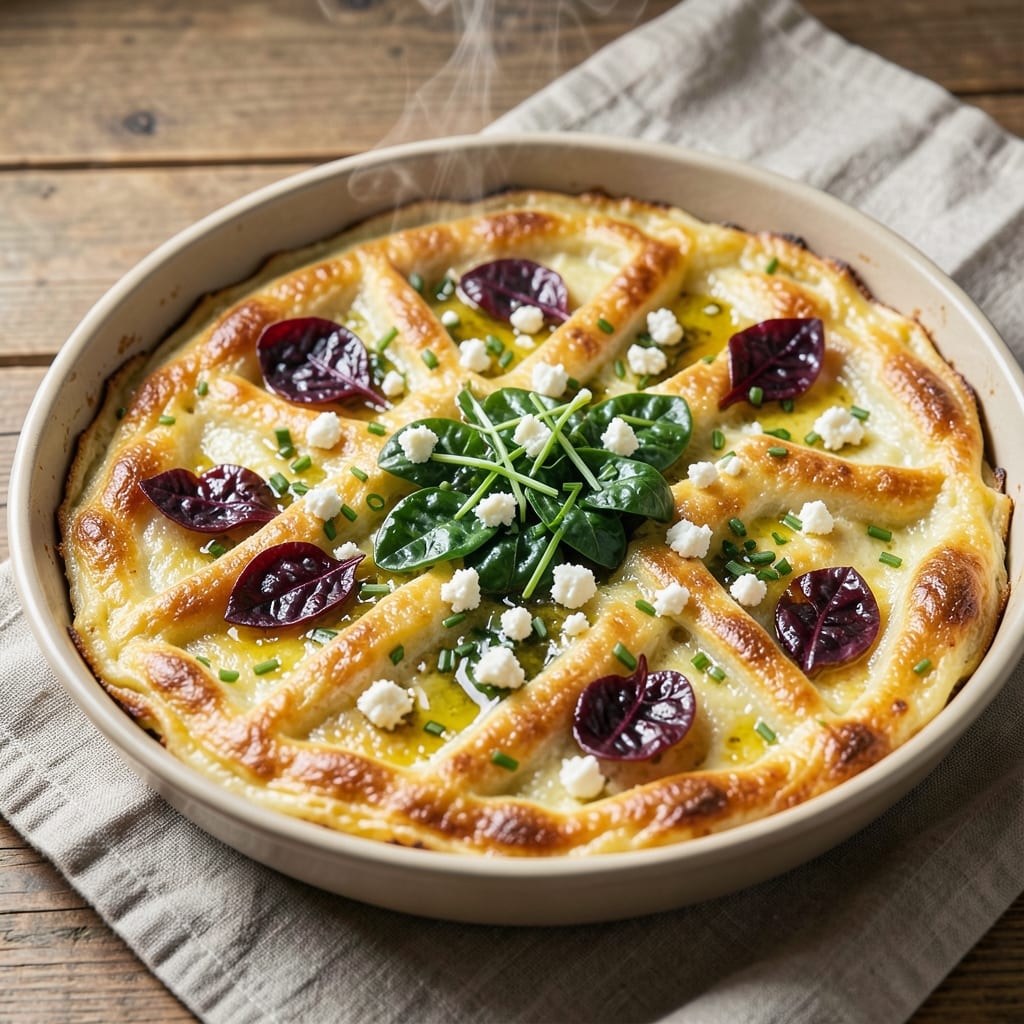
This baked egg white omelet recipe delivers restaurant-quality fluffiness without a single yolk—perfect for high-protein breakfasts or guilt-free indulgence. The secret lies in proper whisking and baking at 350°F until golden, creating a cloud-like texture that rivals traditional omelets. I've perfected this method after testing countless variations, ensuring every bite stays tender and light.
What makes this recipe stand out is its versatility—customize with spinach, feta, or herbs for savory flavors, or even sweeten it with cinnamon and berries. The egg whites provide all the protein while keeping calories in check, making it ideal for fitness-focused meals or dietary restrictions. No flipping required; the oven does all the work for consistent, foolproof results every time.
By the time it emerges from the oven, you'll have a perfectly risen omelet with crisp edges and a velvety center—no rubbery texture here. The technique is simple but precise, ensuring each layer holds its shape while staying moist. This is the kind of breakfast that transforms a quick morning into something special without sacrificing nutrition.
Whether you're meal prepping for the week or whipping up a single serving, this recipe adapts effortlessly. Pair it with fresh fruit or avocado for a balanced plate, or enjoy it plain to savor the pure egg-white goodness. Let's get baking!
Ingredients for baked egg white omelet
Twelve egg whites and five key ingredients transform into cloud-like omelets—no yolks, no flipping, just pure protein perfection.
| Ingredient | Amount | Notes |
|---|---|---|
| Large Egg Whites 🥚 | 12 whole | Freshly refrigerated, room temperature |
| Cream of Tartar 🧂 | ¼ tsp | Stabilizes egg whites for volume |
| Diamond Crystal Kosher Salt 🧂 | ½ tsp | Fine grain preferred for even distribution |
| Fresh Spinach 🌿 | 1 cup | Chopped, loosely packed |
| Crumbled Feta Cheese 🧀 | ¼ cup | High-quality, salty variety |
| Fresh Chives 🌱 | 2 tbsp | Finely chopped, for garnish |
| Extra-Virgin Olive Oil 🫒 | 1 tbsp | For greasing baking dish |
| All-Purpose Flour 🌾 | 1 tbsp | Lightly dusting baking dish |
| Ground Black Pepper 🌶️ | ¼ tsp | Freshly cracked for maximum flavor |
| Cinnamon 🌿 | ½ tsp | Optional for sweet variations |
| Fresh Blueberries 🫐 | ½ cup | Optional sweet addition |
| Non-Stick Cooking Spray 🫧 | 1 tbsp | For even release from pan |
The egg whites are non-negotiable—pasteurized works but fresh yields superior texture. Local farmers markets often have the freshest, or grab the carton from the back of the fridge at Whole Foods where they're kept coldest. Cream of tartar is your secret weapon here; it stabilizes the whites for maximum volume. If you can't find it, lemon juice at half the amount works in a pinch. The spinach should be vibrant green—wilting means it's past its prime. For the feta, Kalata or Greek varieties have the best crumbly texture and salty punch that balances the egg whites perfectly.
No cream of tartar? Substitute lemon juice at half the amount, but be prepared for slightly less stability. Swap spinach for sautéed mushrooms or sun-dried tomatoes if you prefer umami over freshness. The feta can be omitted entirely for a milder flavor, or replaced with vegan feta for dairy-free versions. For sweet variations, cinnamon plus blueberries create a breakfast dessert that's surprisingly balanced. The olive oil and flour are for creating a non-stick surface—avocado oil spray works equally well if you prefer a neutral flavor. Pre-measure everything before starting; this recipe relies on precision for that cloud-like texture.
Egg whites should be used within 2 days of purchase for best results, stored in their original carton in the coldest part of your fridge. The spinach and chives keep for 5-7 days wrapped in damp paper towels, while feta lasts 2 weeks in its original packaging. Once baked, these omelets reheat beautifully—10 seconds in the microwave restores their fluffiness. Portion into single servings before baking for easy meal prep; they freeze for up to 3 months when wrapped tightly in plastic wrap. For best texture, bake immediately after mixing—don't let the egg whites sit once whipped.
Why You'll Love This Recipe
- No Fuss, No Mess: I swear by this—just whisk egg whites with cream of tartar, pour into a greased pan, and bake. The spinach wilts in minutes while the feta melts into golden pockets. My kids call it "lazy person food," but they’re the first to clean their plates.
- Salty-Savory Magic: That crispy edge from kosher salt? It’s the secret weapon. The feta adds a tangy kick, and the spinach stays bright—no soggy mess. Honestly, it’s the kind of flavor that makes you forget it’s "just egg whites."
- Meal Prep MVP: Make a batch on Sunday, slice it up, and reheat portions all week. The texture holds up surprisingly well, and it’s way cheaper than takeout. My lunchbox never looked so good.
- Budget Breakfast Hero: Egg whites are dirt cheap, and you can stretch this into four servings for pennies. Add whatever veggies are on sale, and you’ve got a protein-packed meal that won’t break the bank. (Yes, even on a Tuesday night.)
Step-by-step instructions for baked egg white omelet recipe
Mastering this technique yields restaurant-quality omelets with perfect volume and texture.
Prepare the Baking Dish and Ingredients
Preheat your oven to 375°F and position a rack in the center position for even heat distribution. Lightly grease a 9-inch round baking dish using the 1 tablespoon extra-virgin olive oil—this ensures even release and prevents sticking. I use a paper towel to spread the oil evenly, making sure to coat the entire surface.
Next, dust the dish with the 1 tablespoon all-purpose flour, tapping out any excess. This creates a thin barrier that promotes even browning and helps the omelet release cleanly. While the oven preheats, chop the 1 cup fresh spinach into small pieces and crumble the ¼ cup feta cheese into small, even bits. Finely chop the 2 tablespoons fresh chives and set them aside for garnish.
Whip Egg Whites to Stiff Peaks
In a large, immaculately clean mixing bowl, combine the 12 whole large egg whites with the ¼ teaspoon cream of tartar and ½ teaspoon diamond crystal kosher salt. The cream of tartar is crucial—it stabilizes the egg whites, allowing them to reach maximum volume. Using a stand mixer fitted with the whisk attachment, beat the mixture on medium-high speed until soft peaks form.
Gradually increase the speed to high and continue beating until stiff, glossy peaks form when the whisk is lifted. You'll know they're ready when the peaks hold their shape without immediately flattening. This process typically takes 8-10 minutes, but don't rush—properly whipped egg whites are the foundation of our cloud-like texture. I like to scrape down the sides of the bowl with a silicone spatula every 2 minutes to ensure even incorporation.
Fold in Fillings and Pour into Dish
Gently fold in the chopped spinach, feta cheese, and ¼ teaspoon ground black pepper using a rubber spatula. Be careful not to deflate the egg whites—work in small batches and fold just until evenly distributed. If you're using the optional sweet variation, sprinkle in the ½ teaspoon cinnamon and ½ cup fresh blueberries at this stage, folding them in gently.
Quickly transfer the egg white mixture to the prepared baking dish, spreading it evenly to create a uniform layer. The mixture should cover the bottom completely—about ¼-inch thick. Tap the dish gently on the counter to eliminate any air bubbles that might have formed during the transfer. This step ensures a smooth, even surface that will bake perfectly.
Bake to Golden Perfection
Place the baking dish in the preheated oven and bake for 15-18 minutes until the top is golden brown and the edges are set. You'll notice the center should still appear slightly soft—this is normal and indicates the omelet is perfectly cooked through. The key is to achieve a golden crust on top while keeping the interior tender and fluffy.
To test for doneness, gently press the center with a clean finger. It should spring back slightly but feel firm to the touch. If it's still too soft after 18 minutes, return it to the oven for another 2-3 minutes. The oven's heat will continue to cook the center even after removal, so it's better to slightly underbake than overcook.
Serve Immediately with Garnishes
Remove the omelet from the oven and let it rest for 2-3 minutes before attempting to serve. This brief resting period allows the interior to set slightly, making it easier to slice. Using a sharp chef's knife, cut the omelet into 4 equal wedges—the clean flour barrier we created earlier ensures it releases effortlessly.
Garnish each serving with the finely chopped chives and serve immediately. The contrast of the fluffy, cloud-like texture with the crispy, golden top creates an impressive presentation. For an extra touch, sprinkle with additional feta cheese or a pinch of cinnamon if you used the sweet variation. This omelet holds its shape beautifully, making it perfect for brunch or a light lunch option.
Pro Tips For Making Baked Egg White Omelet
- Whisk Until Ribbon Stage: Egg whites with cream of tartar need to be whipped until they hold stiff peaks but still ribbon when the whisk is lifted—like wet paint dripping off a brush. I learned this the hard way when my first batch collapsed into a sad puddle; the recipe relies on that structure to hold the spinach and feta in place.
- Sauté Spinach First: Wilting spinach in a dry pan for 30 seconds until just tender removes excess moisture before mixing it into the egg whites. Wet spinach turns your omelet into a soggy mess—trust me, I’ve cried over this before.
- Salt the Pan, Not Just the Eggs: Lightly coat your baking dish with kosher salt before adding the egg mixture—it creates a crust that keeps the omelet from sticking. I used to skip this and spent 10 minutes scraping off stuck egg white; now I just salt the pan and walk away.
- Bake at 375°F, Not Higher: The oven needs to be steady at 375°F—any hotter and the top browns before the center sets, leaving you with a crispy shell and goo inside. I was skeptical until I tried it; now it’s my non-negotiable temp.
Essential equipment for perfect results
Mixing Bowl Essentials
An immaculately clean mixing bowl is non-negotiable for stiff peaks—even a trace of grease or yolk will prevent proper volume. I use my stainless steel KitchenAid mixing bowl (12-cup size) because it's non-reactive and easy to clean. For budget options, a glass bowl works just as well, but avoid plastic as it can retain odors. The bowl should be bone-dry before starting—any moisture will weaken the egg whites' structure. 🥚
Stand Mixer vs Hand Whisk
A stand mixer with whisk attachment is my top recommendation for consistent results, but a hand whisk works in a pinch. If using a mixer, opt for the KitchenAid Artisan Series—its powerful motor handles 12 egg whites easily. For hand whisking, use a balloon whisk (like the OXO Good Grips) and switch arms every 2 minutes to avoid strain. Pro tip: Whip egg whites at room temperature for 5-10 minutes before starting—this helps them reach peak volume faster. ⚡
Baking Dish Requirements
A 9-inch round baking dish is ideal, but 8-inch or 10-inch dishes also work if adjusted for thickness. I prefer ceramic dishes for even heat distribution, but non-stick metal pans (like All-Clad) prevent sticking. Avoid glass if it's thin—it can cause uneven baking. For extra insurance, lightly spray the dish with Cooking Oil Spray (like Misto) after greasing with olive oil. This dual-layer approach ensures perfect release every time. 🧑🍳
Non-Stick Alternatives
If you don’t have flour, use 1 tablespoon cornstarch instead—it creates a similar barrier. For a completely non-stick method, try parchment paper cut to fit the dish (grease the parchment first). I also keep silicone baking mats (like Amazon Basics) on hand—they’re reusable and eliminate greasing entirely. Just ensure your dish has slightly raised edges to prevent overflow during baking. 💡
Optional Tools for Precision
A digital kitchen scale (like OXO Good Grips) ensures accurate measurements for fillings, while a microplane quickly zests fillings like lemon or ginger. For folding, a flexible silicone spatula (such as OXO Good Grips) is gentler on egg whites than metal. If you’re meal prepping, individual ramekins (6-ounce size) let you bake single servings simultaneously—just reduce baking time to 12-15 minutes. 📅
Nutrition facts
Frequently asked questions about baked egg white omelets
Can I make this recipe with pasteurized egg whites?
Yes, but fresh egg whites yield superior texture. Pasteurized whites work in a pinch, though they may produce slightly less volume due to their different protein structure. If using pasteurized, add an extra ¼ teaspoon cream of tartar to compensate for the reduced stability. For best results, use fresh egg whites straight from the fridge.
Why did my egg whites turn rubbery instead of fluffy?
Rubbery texture usually means over-whipping or contamination. Stop beating immediately when stiff peaks form—over-mixing breaks down proteins. Also ensure your bowl is completely dry and free of grease, as even traces can prevent proper volume. If using a hand whisk, avoid overworking the egg whites beyond 10-12 minutes total.
Can I bake these in advance for meal prep?
Bake the omelets as directed, then cool completely. Store in an airtight container for up to 3 days in the fridge or freeze for 3 months. To reheat, microwave for 10-15 seconds or warm in a 350°F oven for 5-7 minutes. For best texture, reheat only until warmed through—overheating can make them dry.
What are the best fillings for this recipe?
Classic savory options include spinach, feta, and chives, but you can customize with sautéed mushrooms, sun-dried tomatoes, or goat cheese. For sweet versions, try blueberries, cinnamon, and maple syrup or strawberries with vanilla extract. Keep fillings finely chopped (no larger than ¼-inch) to ensure even distribution and quick baking.
How do I adjust this for a single serving?
For one serving, use 3 egg whites instead of 12, plus ¼ teaspoon cream of tartar. Bake in a 6-ounce ramekin at 375°F for 12-15 minutes. Scale fillings down proportionally—1 tbsp spinach and 1 tsp feta work perfectly. The same technique applies, just with smaller quantities for a single portion.