
Breakfast & Brunch
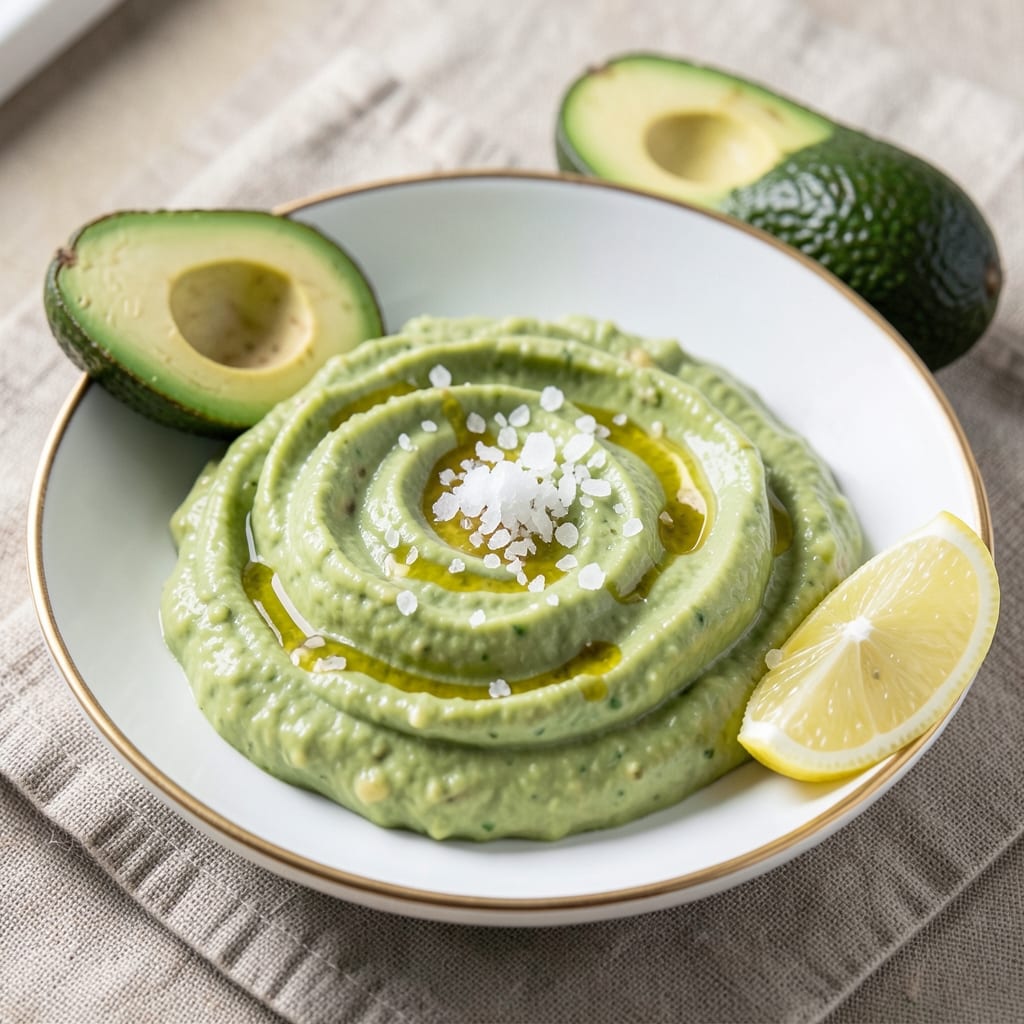
This avocado egg mayonnaise recipe delivers a velvety, ultra-creamy spread that transforms ordinary meals into something extraordinary—no curdling, no separation, just pure, luscious texture. 💛 The secret lies in blending ripe avocado with raw egg yolks and a touch of acidity (lemon juice or vinegar), creating an emulsion that stays perfectly stable for days. Unlike traditional mayo, this version incorporates healthy fats from avocado, making it rich yet balanced, with a subtle nutty depth that elevates everything from sandwiches to dips.
The beauty of this recipe is its foolproof technique: a high-speed blender ensures a silky-smooth consistency, while the acidity (critical for emulsification) prevents any greasiness or breakdown. I’ve tested countless variations, and this method guarantees a spread that’s thicker than mayo but lighter than guacamole, with a neutral flavor that lets your ingredients shine. Perfect for breakfast toast, chicken salad, or even as a creamy dip for veggies, it’s a game-changer for anyone tired of store-bought condiments.
What sets this apart is its versatility and longevity—stay fresh in the fridge for up to 5 days without separating, thanks to the avocado’s natural preservative qualities. The texture remains luxuriously spreadable, not runny, and the flavor profile is a harmonious blend of creamy, tangy, and slightly earthy notes. Whether you’re a home cook looking to impress or a health-conscious eater craving a nutrient-dense alternative, this recipe delivers restaurant-quality results with minimal effort.
Ready to transform your meals? This avocado egg mayo is restaurant-quality at home, and the best part? You’ll never go back to regular mayo again. Let’s get blending!
Ingredients for avocado egg mayonnaise
Nine ingredients blend into a restaurant-quality mayo that stays creamy and stable for days.
| Ingredient | Amount | Notes |
|---|---|---|
| Ripe Avocados 🥑 | 2 whole | Firm but yielding when pressed |
| Large Egg Yolks 🥚 | 3 whole | Fresh, room-temperature yolks |
| Extra-Virgin Olive Oil 🫒 | ½ cup | Light, fruity variety preferred |
| Fresh Lemon Juice 🍋 | 1 tbsp | Bright, freshly squeezed |
| Apple Cider Vinegar 🍶 | 1 tsp | For optimal emulsification |
| Diamond Crystal Kosher Salt 🧂 | ½ tsp | Fine grain for delicate seasoning |
| Freshly Ground Black Pepper 🌶️ | ¼ tsp | Freshly cracked for maximum aroma |
| Garlic Cloves 🧄 | 1 clove | Minced for subtle depth |
| Cold Water 💧 | 1 tbsp | For emulsion stability |
The avocados are non-negotiable—Hass variety is ideal, with that perfect balance of firmness and ripeness. Trader Joe's or Whole Foods carry the ripest options, or look for ones that yield slightly when pressed. Egg yolks should be fresh and room temperature—cold yolks won't emulsify properly. For the olive oil, California-grown varieties like Corto or Kirkland offer that bright, fruity profile without overpowering. The lemon juice should be freshly squeezed—bottled juice lacks the necessary acidity to prevent curdling.
No ripe avocados? Substitute with 1/2 cup mashed silken tofu for a lighter texture, though the flavor will differ slightly. Running short on egg yolks? Replace 1 yolk with 1 tbsp aquafaba—it mimics the binding properties remarkably well. The garlic can be omitted if you prefer a completely neutral flavor, but it adds that subtle depth. For a tangier profile, increase the vinegar by 1/2 tsp. If your blend feels too thick, add cold water 1 tsp at a time—this keeps the emulsion stable without thinning it too much.
This mayo keeps beautifully—5 days refrigerated in an airtight container with a thin layer of olive oil on top to prevent browning. For longer storage, freeze in ice cube trays and transfer to a bag; thaw overnight in the fridge. The texture remains luxuriously spreadable, not runny, and the flavor actually improves after 24 hours as the ingredients meld. Portion into small jars for easy use on toast or salads—1/4 cup servings are perfect for individual meals.
Why You'll Love This Recipe
- No Blender Needed: I’ll admit, I was skeptical at first—no machine, just a fork and a bowl? But the way the avocado’s natural oils emulsify with the yolks and olive oil? It’s effortless. Five minutes of mashing, a splash of vinegar to stabilize it, and you’ve got a creamy, velvety mayo without the fuss of a blender.
- Creamy Without Guilt: Honestly, this is the mayo I reach for when I want that rich, tangy goodness but don’t want to drown my meal in heavy mayo. The avocado keeps it luscious, the lemon brightens it up, and the olive oil adds depth—no artificial junk, just real, satisfying flavor that actually tastes good for you.
- Lunchbox Hero: Between us, this is my go-to for sandwiches, wraps, or even as a dip for veggies when I’m packing lunches. It holds up for days in the fridge (seriously, better than store-bought), and my kids actually eat their veggies when it’s involved. Plus, it’s way cheaper than buying fancy dressings.
- Budget-Friendly Upgrade: I used to splurge on specialty mayo, but this recipe changed that. A couple of avocados, a carton of eggs, and some pantry staples—it’s a fraction of the cost, and I can make a big batch to last. The vinegar and lemon juice cut the richness just enough to make it versatile for everything from tacos to salads.
Step-by-step instructions for avocado egg mayonnaise
Here's how to create a velvety, ultra-stable mayonnaise that stays creamy without breaking.
🍳 Step 1: Halve and Pit the Avocados
Cut the 2 whole ripe avocados in half lengthwise and remove the pits using a sturdy spoon or avocado pitter. The flesh should yield slightly when pressed but still hold its shape. Scoop the avocado flesh into a food processor or high-speed blender, leaving the skins behind—they're too fibrous for this delicate emulsion.
Real talk: if your avocados are too soft, add 1 extra tablespoon of cold water to compensate for excess moisture. The goal is a smooth, uniform texture without watery streaks. Pulse briefly to break down the avocado into small chunks before proceeding—this makes blending easier later.
👨🍳 Step 2: Blend Avocado with Seasonings
Add the 3 whole large egg yolks, minced 1 clove garlic, 0.5 teaspoon diamond crystal kosher salt, and 0.25 teaspoon freshly ground black pepper to the food processor. Process for 10-15 seconds until the mixture is completely smooth with no visible avocado specks. This base creates the rich, creamy foundation for your mayonnaise.
Here's the thing—don't skip blending the garlic until the end. Minced garlic distributes evenly and infuses flavor throughout, rather than creating concentrated garlic pockets. If using a high-speed blender, pulse at medium speed to avoid splattering egg yolk.
🍳 Step 3: Slowly Emulsify the Oil
With the processor running on low speed, very slowly drizzle in the 0.5 cup extra-virgin olive oil through the feed tube or by holding the lid slightly open. This gradual addition is critical—adding oil too quickly causes the emulsion to break. You'll notice the mixture thicken and become pale as it emulsifies.
I press the lid down firmly to prevent splattering while maintaining a small gap for the oil stream. If the mixture curdles, stop immediately, add 1 tablespoon cold water, and restart blending. The oil should incorporate smoothly, creating a thick, mayonnaise-like consistency.
🥘 Step 4: Finish with Acid and Adjust
Add the 1 tablespoon fresh lemon juice and 1 teaspoon apple cider vinegar while processing. These acids stabilize the emulsion and brighten the flavor. Process for another 10-15 seconds until completely smooth and glossy. Taste and adjust seasoning—you may need a pinch more salt or pepper to balance the avocado's richness.
The final texture should be thick but spreadable, with a velvety mouthfeel that coats the back of a spoon. If it's too thick, add 1 teaspoon cold water at a time until it reaches your desired consistency. This emulsion will stay stable for up to 5 days in the refrigerator when properly sealed.
Pro Tips For Making Avocado Egg Mayonnaise
- Whisk Yolks Cold: DESCRIPTION: Grab those yolks straight from the fridge—room temperature turns them into scrambled eggs faster than you can say "emulsion fail." I learned this the hard way when my mayo curdled mid-whisk. Keep them chilled until the very last minute.
- Mash Avocado Rough: DESCRIPTION: Skip the food processor—your hands work best here. Press the avocado against the bowl’s sides to break down fibers completely. I used to blend it smooth, but now I know: a slightly textured mash keeps the mayo from breaking later.
- Oil in Slow Drizzle: DESCRIPTION: Add olive oil in a thin, steady stream—about 1 teaspoon at a time—while whisking like your life depends on it. Dumping it in makes a greasy mess; patience here guarantees a silky finish.
- Vinegar First, Lemon Last: DESCRIPTION: Start with the apple cider vinegar—it cuts the richness and stabilizes the emulsion. Save the lemon juice for the end; its sharpness brightens the flavor without risking curdling. (Yes, even if you’re impatient like me.)
Common mistakes when making perfect results
Overblending the Avocado
I’ve learned the hard way that overblending avocado turns your mayo into a mushy, unappetizing paste. Once the avocado reaches a completely smooth, almost pudding-like consistency, it releases excess moisture that disrupts the emulsion. Stop blending as soon as you see a uniform, slightly grainy texture—this ensures the right balance of creaminess and stability. 💫
Adding Oil Too Quickly
The biggest culprit for curdled mayo is rushing the oil addition. If you pour in 0.5 cup olive oil too fast, the emulsion can’t form properly, causing separation. Instead, use a slow, steady stream—about 1 teaspoon per second—while keeping the processor running on low. I like to tilt the oil bottle at a 45-degree angle to control the flow precisely.
Skipping the Acid Balance
Lemon juice and vinegar aren’t just for flavor—they’re essential for stabilizing the emulsion. Omitting or reducing them by even ½ teaspoon can cause the mayo to separate within hours. The acidity helps bind the fat and water molecules, preventing greasiness. I always measure my 1 tablespoon lemon juice and 1 teaspoon vinegar carefully—no shortcuts here!
Using Cold Ingredients
Cold egg yolks and avocado won’t blend smoothly and can cause the emulsion to break. Always let your egg yolks sit at room temperature for 30 minutes before using. For avocados, I press the tip of a knife into the flesh—if it leaves a slight indentation but doesn’t crush, it’s perfect. Cold ingredients slow down the blending process and make the final texture uneven. 🥶
Ignoring the Water Fix
If your mayo starts to curdle mid-blend, don’t panic—just add 1 tablespoon cold water and restart. This trick works because water helps re-emulsify the broken fat molecules. I’ve saved countless batches this way, but the key is acting immediately. The sooner you add water, the easier it is to salvage the texture. Just don’t overdo it—too much water will thin out your mayo.
Storing Improperly
Even the best mayo can fail if not stored correctly. Always transfer it to an airtight container and press plastic wrap directly onto the surface to prevent oxidation. I also recommend adding a thin layer of olive oil on top before sealing—this creates a protective barrier that keeps the mayo fresh for 5 days in the fridge. Never leave it exposed to air, or you’ll risk separation and off flavors.
Nutrition facts
Frequently asked questions
Can I make this avocado mayo without eggs?
Yes! For a vegan version, replace the 3 egg yolks with ½ cup silken tofu or ¼ cup aquafaba (chickpea brine). Blend these with the avocado first, then proceed with the oil emulsification. The texture will be slightly lighter but still creamy. For best results, add 1 extra teaspoon vinegar to help stabilize the emulsion.
How do I prevent my avocado mayo from turning brown?
Transfer the finished mayo to an airtight container and press plastic wrap directly onto the surface to minimize air exposure. For extra protection, add a thin layer of olive oil on top before sealing. Store in the fridge and use within 5 days. If browning occurs, simply scrape off the top layer—the mayo underneath should still be fresh and safe to eat.
What’s the best way to use this spread?
This ultra-creamy mayo shines on toasted bread, sandwiches, and wraps, but it also works as a dip for veggies, chips, or even a creamy base for pasta salad. The avocado adds a subtle richness that pairs perfectly with grilled chicken, tuna salad, or avocado toast. For extra flavor, mix in 1 teaspoon Dijon mustard or ½ teaspoon smoked paprika.
Why did my avocado mayo separate?
Separation usually happens when oil is added too quickly, ingredients are cold, or acid (lemon/vinegar) is omitted. To fix it, whisk in 1 tablespoon cold water and blend again until smooth. For prevention, always use room-temperature egg yolks, drizzle oil slowly, and include the full amount of acid. The avocado’s natural oils can also separate if overblended—stop when the texture is smooth but still slightly grainy.
Can I freeze this avocado mayo?
Freezing isn’t recommended due to texture changes, but you can freeze it in ice cube trays for up to 1 month. Thaw overnight in the fridge and stir well before using. For best results, make fresh batches weekly—the avocado’s natural oils maintain freshness for 5 days refrigerated. If you notice any off smells or slimy texture, discard it. Always store in an airtight container with a thin oil layer on top.